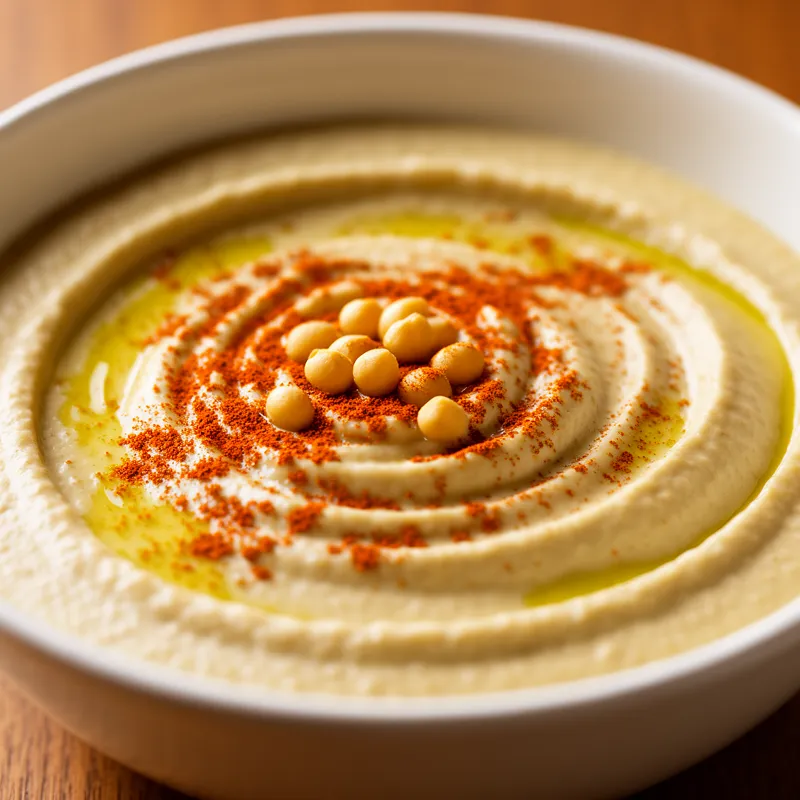
 229 kcal
 P 7.35g C 14.9g F 17.1g
Most supermarket baby carrots are not young roots but mature carrots cut and polished into uniform pieces.
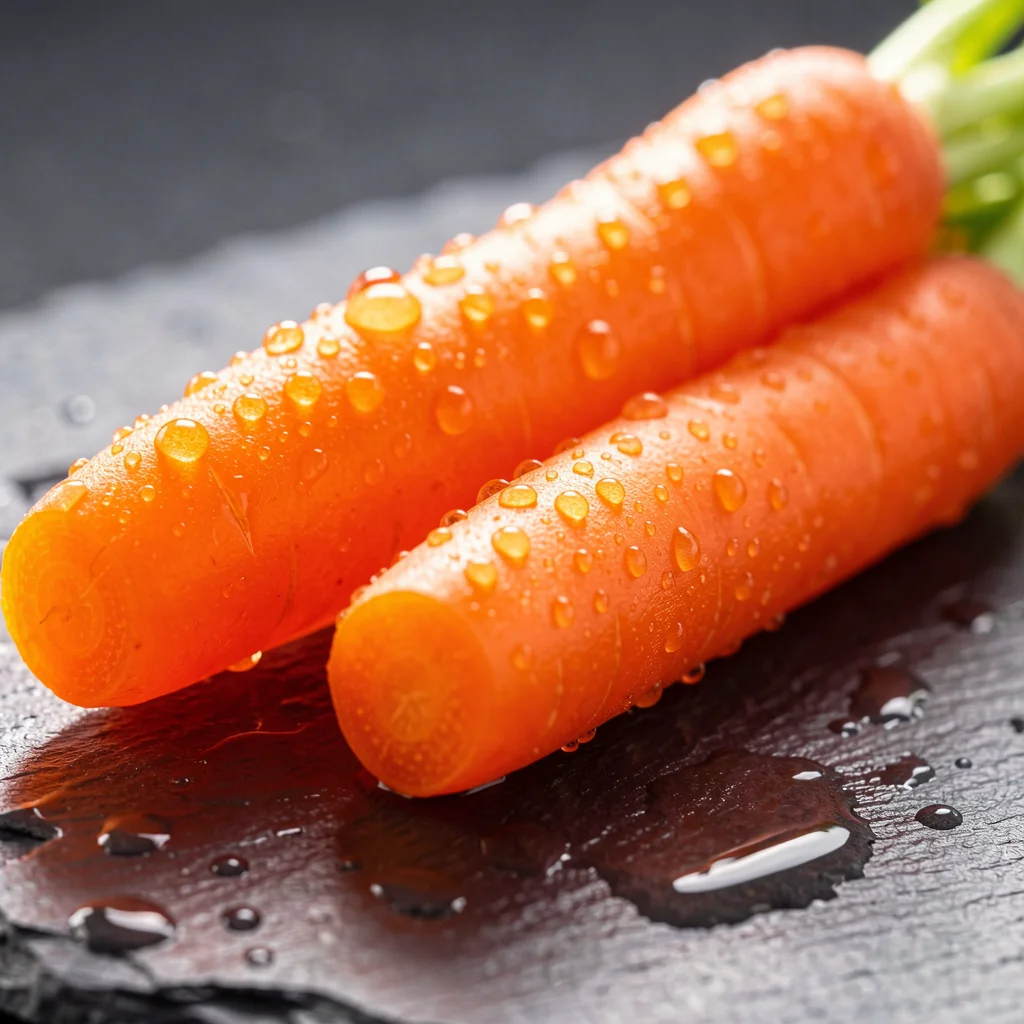
Most supermarket "baby carrots" are not actually immature carrots harvested early, but rather mature, full-sized carrots that have been cut and polished into uniform two-inch pieces. This innovation was created in 1986 by California farmer Mike Yurosek, who wanted to salvage the tons of crooked, knobby, and broken carrots that supermarkets refused to buy. Using an industrial green bean cutter and a potato peeler, he transformed agricultural waste into a convenience food phenomenon. Because the outer protective skin is removed during processing, these carrots are prone to developing a dry, white, chalky appearance known as "white blush." This is purely a dehydration effect as the exposed surface loses moisture, not a sign of spoilage or chemical residue. To maintain moisture and prevent bacterial growth during shipping and storage, commercial producers wash them in a heavily diluted chlorine solution, a standard safety practice for ready-to-eat produce. The carrots are then rinsed and packaged, retaining their high beta-carotene content despite the reshaping.
To prevent baby carrots from drying out and developing white blush, store them in an airtight container or submerged in water in the refrigerator, changing the water every few days. While they are a convenient raw snack, lightly cooking them actually increases the bioavailability of beta-carotene. Roasting or steaming softens the cellular walls, allowing your body to absorb this fat-soluble precursor to vitamin A more efficiently. For optimal nutrient absorption, pair them with a small amount of healthy fat, such as olive oil or almonds.
Per 100g — daily values based on a 2,000 calorie diet
CalRay's AI recognizes carrots and hundreds of thousands of other foods from a photo. No manual lookup needed.
Carrots, baby contains 41 calories per 100g. A standard serving of 1 RACC (85g) provides 35 calories. It is considered a very low-calorie food (under 50 kcal/100g), making it excellent for weight management.
Carrots, baby provides 0.81g of protein per 100g, which is 2% of the 50g daily recommended value. It is not a primary protein source.
Carrots, baby contains 9.08g of carbohydrates per 100g . It also provides 2.69g of dietary fiber.
Yes! Carrots, baby is very low in calories (41 kcal/100g) and can be eaten in generous portions even on a calorie-restricted diet.
The easiest way to track carrots is with CalRay. Simply snap a photo of your meal and the AI will automatically identify the food and calculate calories and macros based on the estimated portion size — no manual lookup required. You can also search by name and adjust gram weight manually.
229 kcal 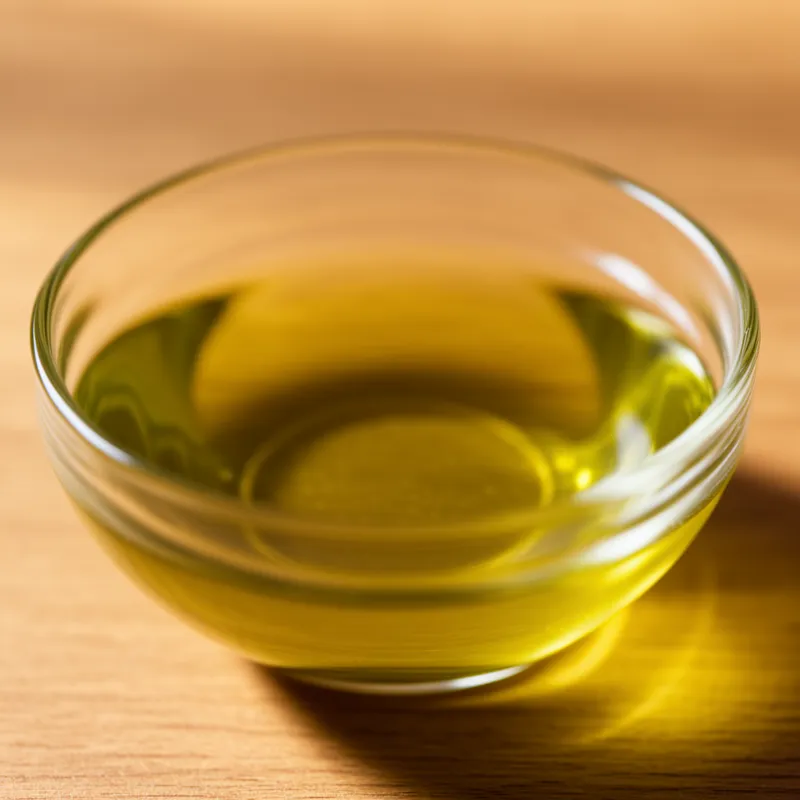 884 kcal
 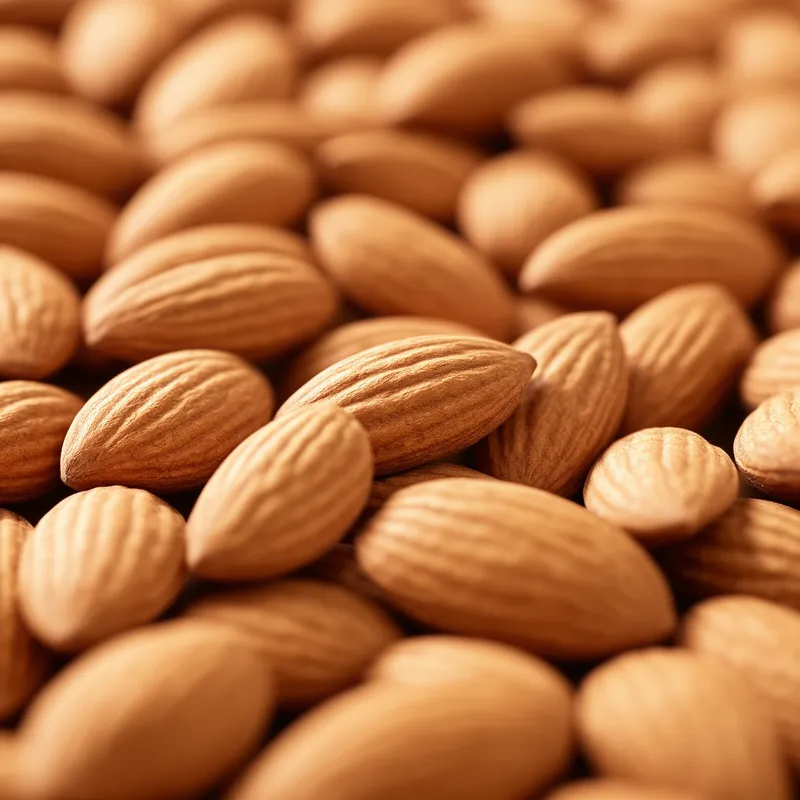 626 kcal