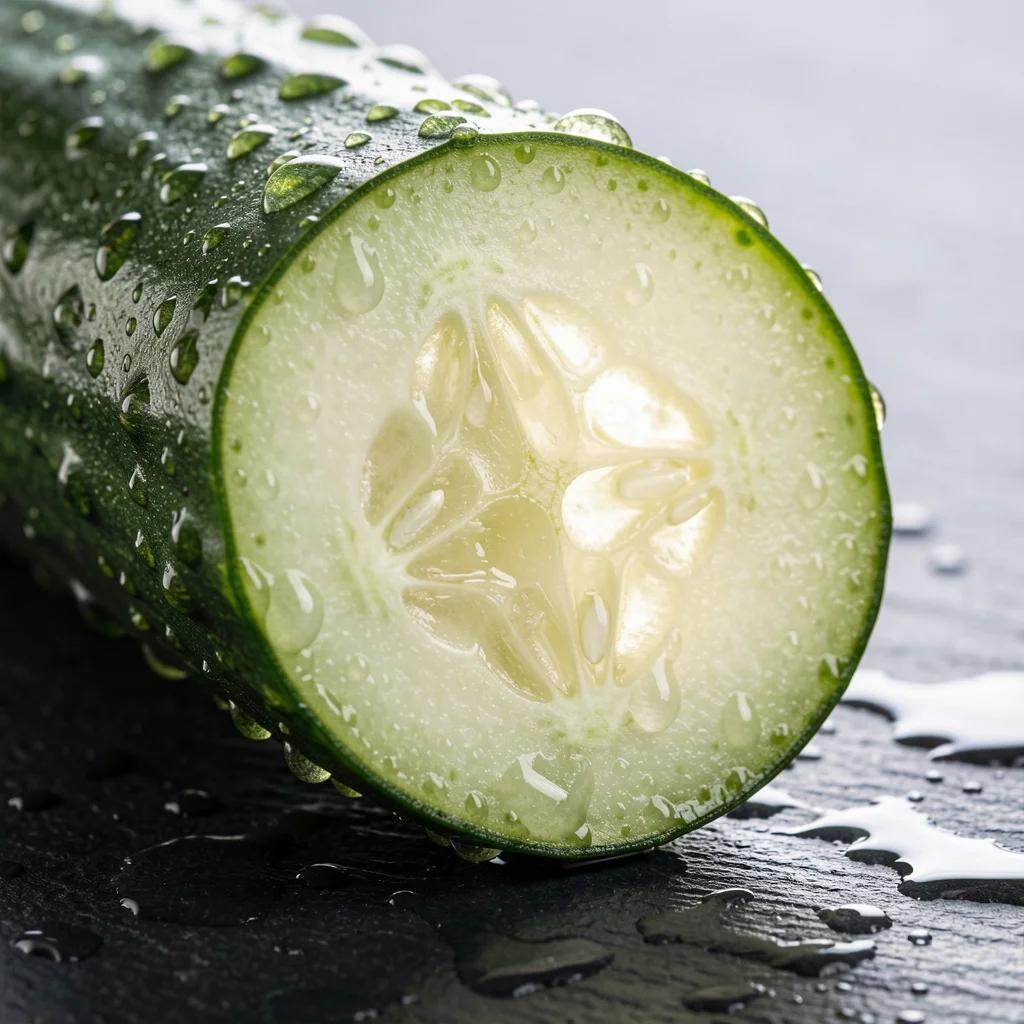
 16 kcal
 P 0.63g C 2.95g F 0.18g
Commercial hummus gets its signature silky texture from an industrial emulsification process that suspends oil and water in chickpea paste.
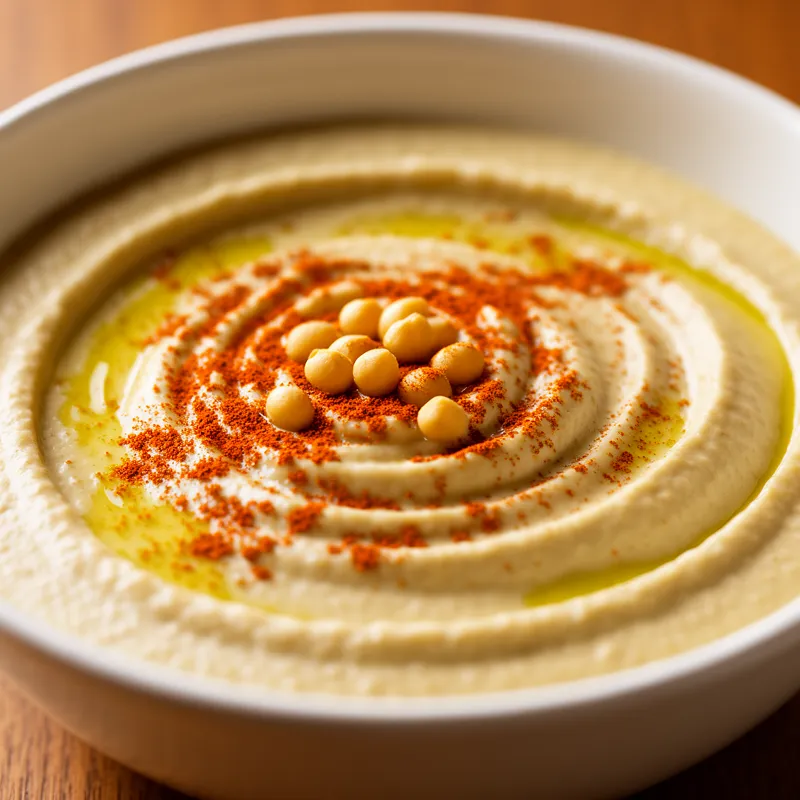
Hummus's primary ingredient, the chickpea, has been cultivated in the Middle East for over 7,500 years, with the earliest known recipes for a chickpea paste dating back to 13th-century Cairo. However, the commercial hummus you buy in tubs relies on food science to achieve its spreadable, shelf-stable texture. Industrial producers often use a specialized cooking process that softens the chickpea skins or removes them entirely before pureeing, preventing the fibrous hulls from creating a gritty mouthfeel. Additionally, tahini—a paste made from ground sesame seeds—acts as a natural emulsifier. The lecithin and proteins in sesame bind the water from the cooked chickpeas and the added oil, creating a stable suspension that prevents the hummus from separating in the refrigerator. Some commercial varieties also incorporate citric acid to standardize the tartness and lower the pH, which naturally extends shelf life without relying solely on heavy sodium. This combination of ancient ingredients and modern emulsification technology is what allows hummus to maintain its smooth, dippable consistency for weeks.
To balance the 14.9 grams of carbohydrates and 7.35 grams of protein per 100 grams, pair commercial hummus with raw, non-starchy vegetables like bell peppers or cucumbers to add filling fiber without excess calories. Because commercial varieties can be high in sodium, avoid pairing with heavily salted snacks; instead, use it as a creamy, lower-fat substitute for mayonnaise in sandwiches or wraps. Once opened, keep it refrigerated in its airtight container and consume within a week to prevent oxidation and flavor degradation.
Per 100g — daily values based on a 2,000 calorie diet
CalRay's AI recognizes hummus and hundreds of thousands of other foods from a photo. No manual lookup needed.
Hummus, commercial contains 229 calories per 100g. A standard serving of 2 tablespoon (33.9g) provides 78 calories. It is relatively calorie-dense, so portion control is important.
Hummus, commercial provides 7.35g of protein per 100g, which is 15% of the 50g daily recommended value. It is not a primary protein source.
Hummus, commercial contains 14.9g of carbohydrates per 100g . It also provides 5.4g of dietary fiber.
Hummus, commercial has 229 kcal per 100g, so portions need to be monitored on a weight-loss diet. Use CalRay to track your intake accurately. Its fiber content (5.4g/100g) also promotes fullness.
The easiest way to track hummus is with CalRay. Simply snap a photo of your meal and the AI will automatically identify the food and calculate calories and macros based on the estimated portion size — no manual lookup required. You can also search by name and adjust gram weight manually.
16 kcal 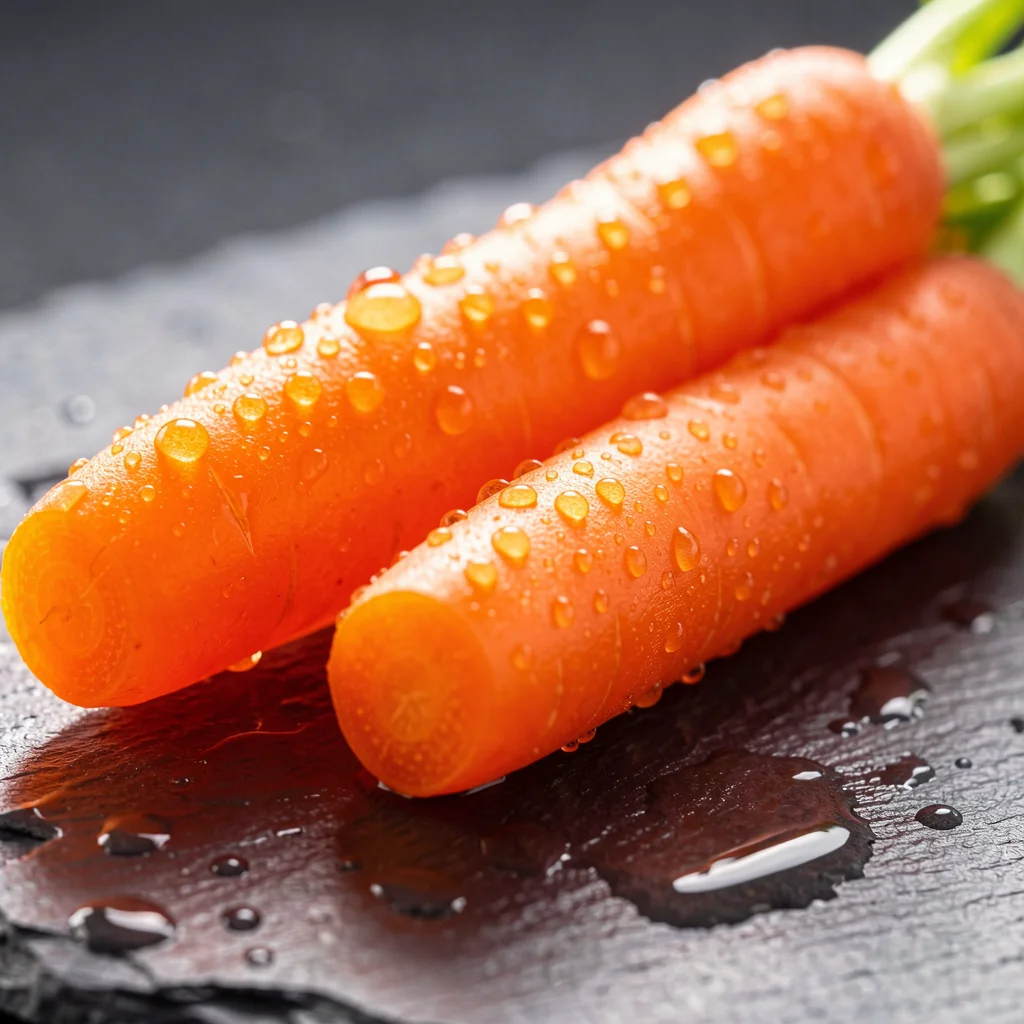 41 kcal
 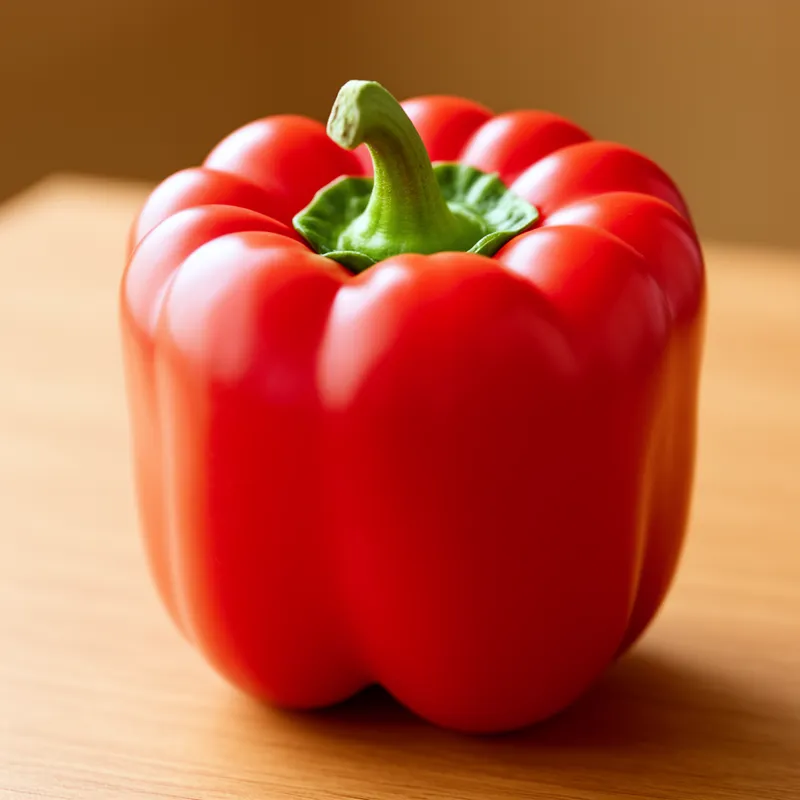 31 kcal