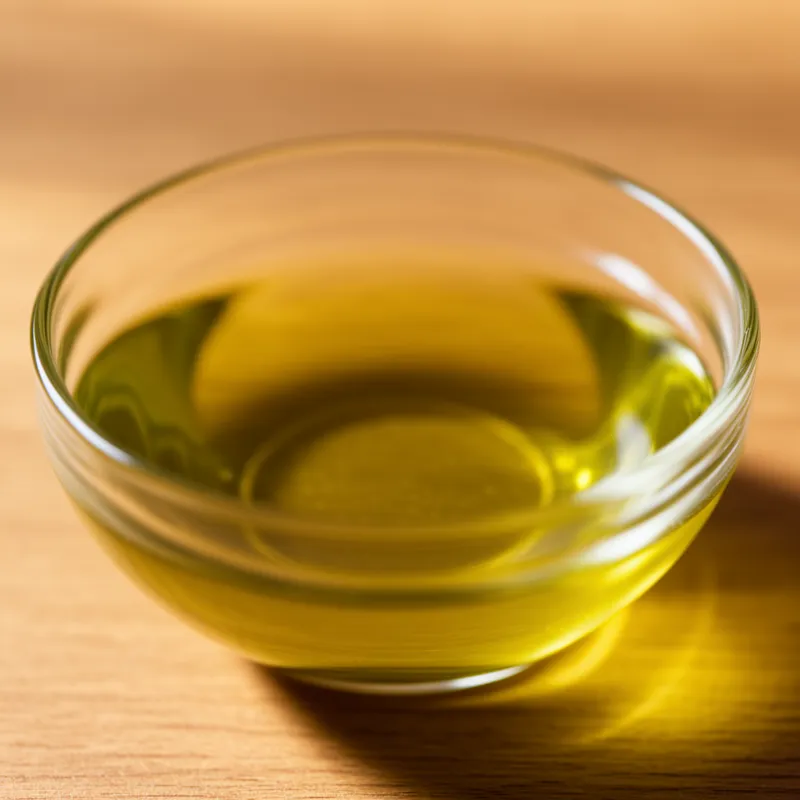
 884 kcal
 P 0g C 0g F 100g
Your dislike of Brussels sprouts may be written in your genes, specifically a receptor that detects bitter sulfur compounds.
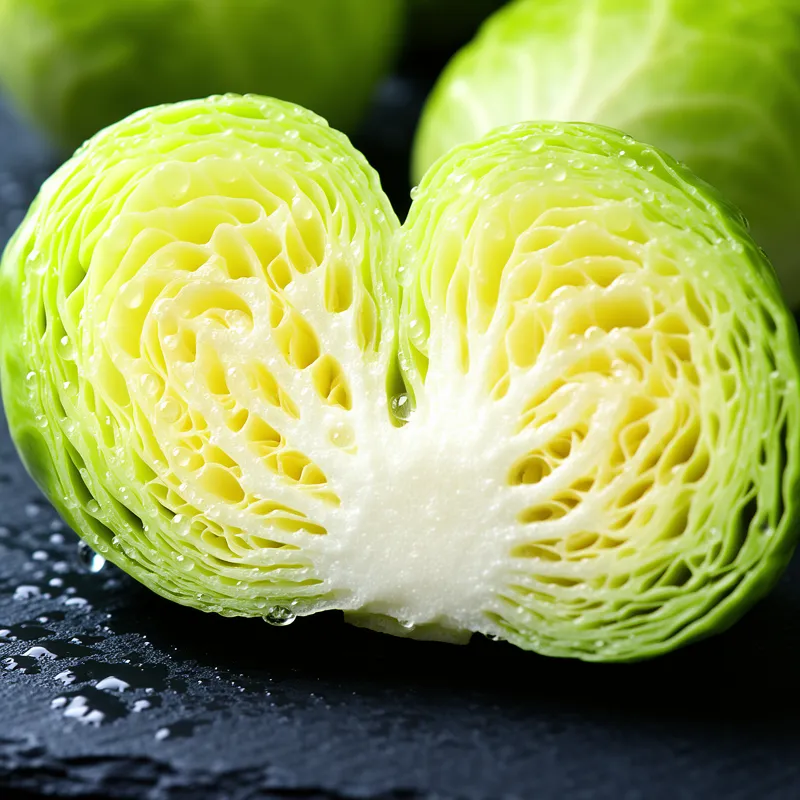
Brussels sprouts belong to the Brassica oleracea species, making them botanically identical to cabbage, kale, and kohlrabi—they are simply buds that form in the leaf axils of a thick stalk. For decades, they were notorious for their bitter taste, which deterred many eaters. This bitterness comes from glucosinolates, specifically a compound called sinigrin. When the vegetable is chopped or chewed, an enzyme called myrosinase breaks sinigrin down into sulfur-containing compounds that taste intensely bitter to people with a specific variation of the TAS2R38 bitter-taste receptor gene. In the 1990s, Dutch scientists and seed breeders recognized this genetic barrier and began cross-breeding older, intensely bitter varieties with milder ones to lower sinigrin levels. The resulting modern hybrids contain significantly fewer bitter compounds, which is why Brussels sprouts have experienced a culinary renaissance in the 21st century. Roasting them at high heat also helps caramelize their natural sugars, further masking any residual bitterness and bringing out a deeply nutty flavor.
To maximize flavor and nutrient retention, avoid boiling Brussels sprouts, which leaches water-soluble vitamin C and intensifies sulfur odors. Instead, halve them and roast at 400°F (200°C) with olive oil to caramelize their natural sugars and soften the dense cellular structure. Pair them with a squeeze of lemon juice or a sprinkle of Parmesan; the acidity and umami help neutralize residual bitter notes. Store them unwashed in a breathable bag in the crisper drawer, as moisture accelerates decay.
Per 100g — daily values based on a 2,000 calorie diet
CalRay's AI recognizes brussels sprouts and hundreds of thousands of other foods from a photo. No manual lookup needed.
Brussels sprouts contains 59 calories per 100g. A standard serving of 1 RACC (85g) provides 50 calories. It is a moderate-calorie food that can fit into most healthy diets.
Brussels sprouts provides 3.98g of protein per 100g, which is 8% of the 50g daily recommended value. It is not a primary protein source.
Brussels sprouts contains 9.62g of carbohydrates per 100g . It also provides 4.78g of dietary fiber.
Brussels sprouts has 59 kcal per 100g, which is relatively moderate. It can fit into a weight-loss diet as long as portion sizes are managed. Its fiber content (4.78g/100g) also promotes fullness.
The easiest way to track brussels sprouts is with CalRay. Simply snap a photo of your meal and the AI will automatically identify the food and calculate calories and macros based on the estimated portion size — no manual lookup required. You can also search by name and adjust gram weight manually.
884 kcal  421 kcal
  500 kcal