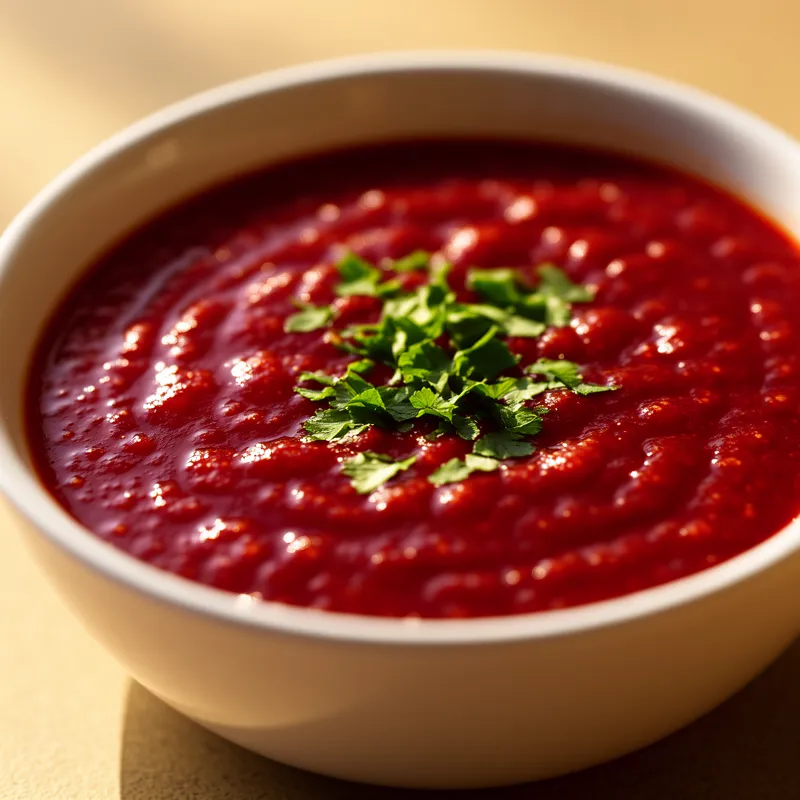
 45 kcal
 P 1.41g C 8.05g F 1.48g
Grated Parmesan packs more free glutamate per gram than a ripe tomato, making it a natural flavor bomb.
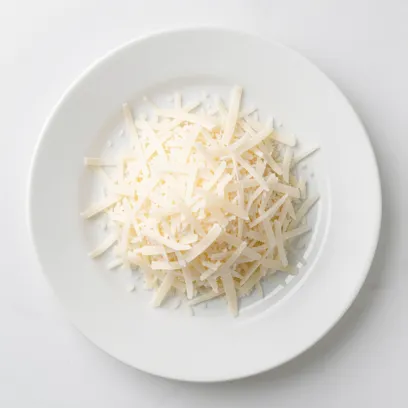
True Parmigiano-Reggiano is strictly regulated by European law, requiring production from the milk of cows fed only on grass or hay in a specific region around Parma and Reggio Emilia. During its minimum 12-month aging process, the cheese undergoes intense proteolysis, where enzymes break down milk proteins into free amino acids. One of these amino acids, glutamate, is the key compound responsible for the savory umami taste. The concentration of glutamate in aged Parmigiano-Reggiano is remarkably high, which is why grating it over a dish instantly makes it taste richer and more savory without needing added salt. Additionally, the cheese contains tyrosine crystals—those characteristic crunchy white specks—which form naturally as the amino acid tyrosine crystallizes out of the protein matrix during the long aging period. Grating the cheese increases its surface area, allowing these umami compounds to dissolve more rapidly on the tongue and coat the palate evenly.
Grated Parmesan melts best when added at the end of cooking or over hot pasta, as prolonged high heat can cause its proteins and fats to separate. To maximize umami without over-salting, use it as a finishing garnish rather than cooking it into the base. Store freshly grated Parmesan in an airtight container in the refrigerator to prevent it from absorbing moisture and turning gummy. Pairing it with tomatoes works well nutritionally because the fat in the cheese helps your body absorb the fat-soluble lycopene from the tomatoes.
Per 100g — daily values based on a 2,000 calorie diet
CalRay's AI recognizes cheese and hundreds of thousands of other foods from a photo. No manual lookup needed.
Cheese, parmesan, grated contains 421 calories per 100g. A standard serving of 1 tablespoon (7.6g) provides 32 calories. It is relatively calorie-dense, so portion control is important.
Cheese, parmesan, grated provides 29.6g of protein per 100g, which is 59% of the 50g daily recommended value. It is an excellent source of protein.
Cheese, parmesan, grated contains 12.4g of carbohydrates per 100g .
Cheese, parmesan, grated has 421 kcal per 100g, so portions need to be monitored on a weight-loss diet. Use CalRay to track your intake accurately. Its high protein content (29.6g/100g) helps with satiety.
The easiest way to track cheese is with CalRay. Simply snap a photo of your meal and the AI will automatically identify the food and calculate calories and macros based on the estimated portion size — no manual lookup required. You can also search by name and adjust gram weight manually.
45 kcal 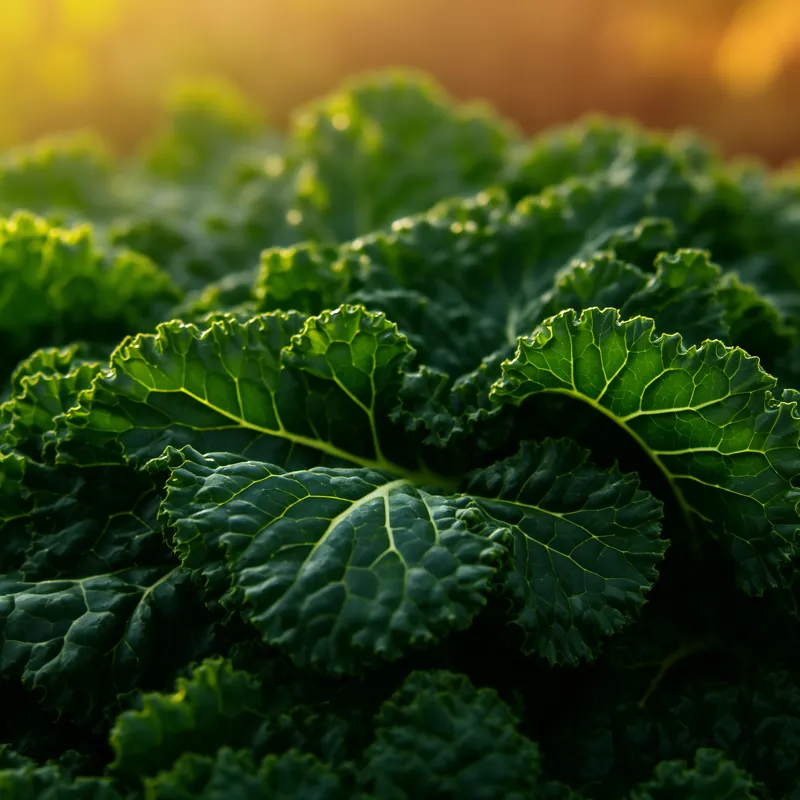 35 kcal
 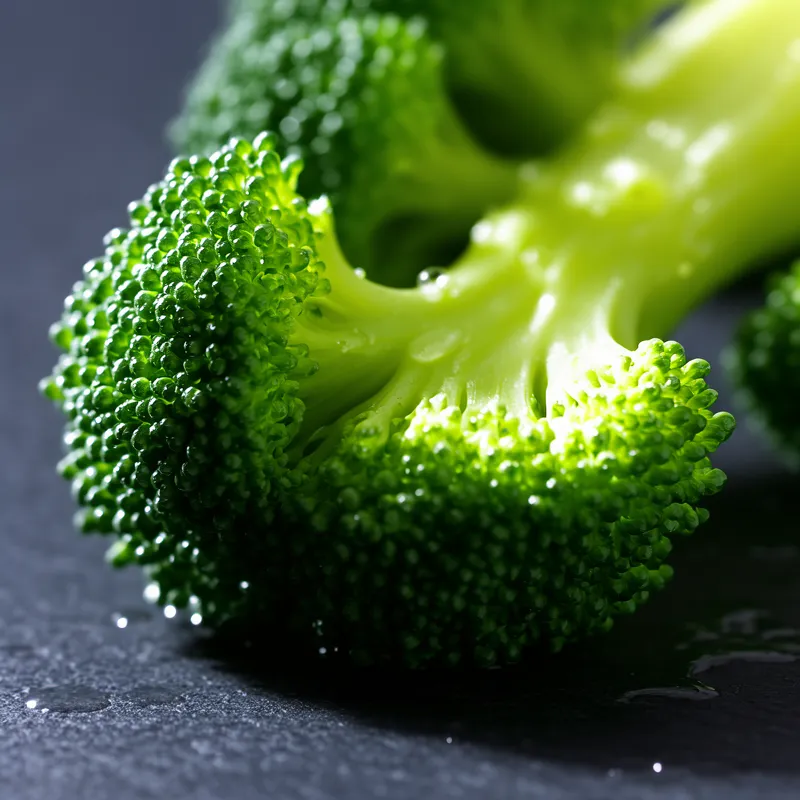 31 kcal