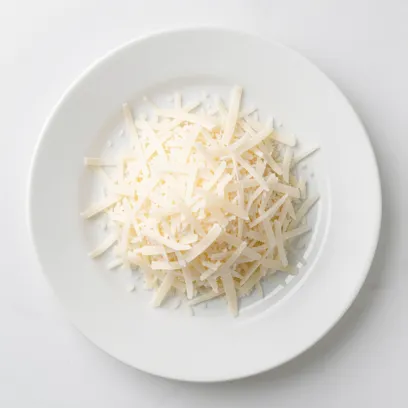
 421 kcal
 P 29.6g C 12.4g F 28g
Marinara's vibrant red hue is actually a chemical trap that unlocks a rare fat-soluble antioxidant.
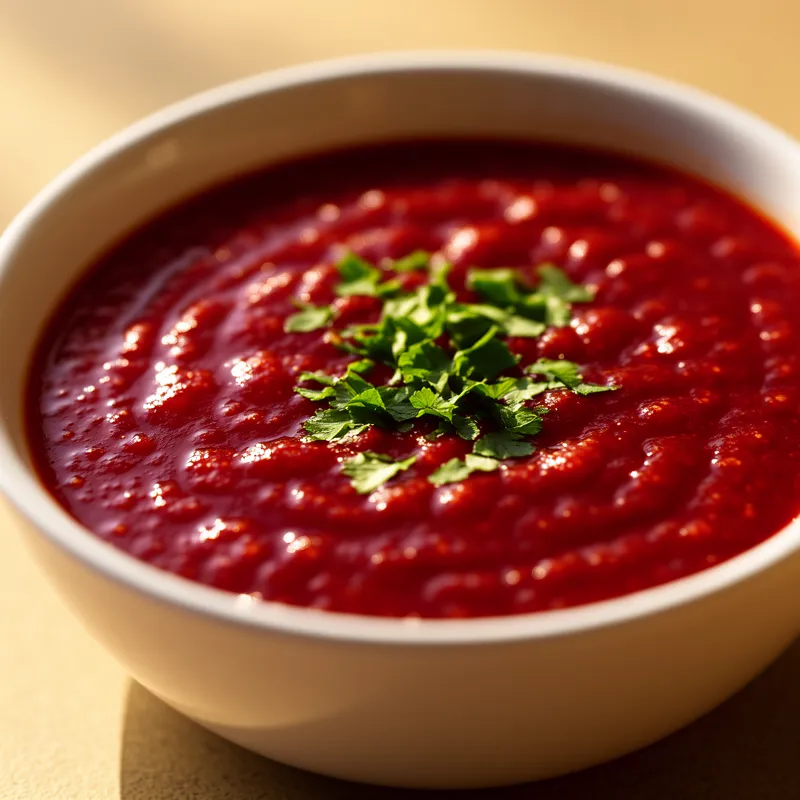
Marinara sauce is relatively young by Italian culinary standards, originating in Naples during the 16th or 17th century after tomatoes arrived from the Americas. The name derives from "marinaro," meaning sailor, though it was traditionally made by sailors' wives rather than consumed on ships. From a biochemical perspective, heating tomatoes in marinara fundamentally changes their nutritional profile. Raw tomatoes contain mostly trans-lycopene, a pigment locked in the plant's rigid cell walls. When subjected to prolonged heat, this molecule isomerizes into cis-lycopene, a structural form the human digestive system absorbs far more efficiently. Furthermore, the small amount of fat naturally present in marinara plays a crucial role. Lycopene is a fat-soluble compound, meaning consuming cooked tomatoes alongside a lipid dramatically increases its bioavailability. This is why ready-to-serve marinara actually provides more bioavailable lycopene than a raw tomato salad. The simmering process also concentrates natural glutamates, amino acids that provide the sauce's savory umami depth.
Ready-to-serve marinara is a versatile base extending far beyond pasta. To maximize lycopene bioavailability, gently heat the sauce and add a dash of extra virgin olive oil. Store unopened jars in a pantry; once opened, refrigerate in an airtight container and consume within a week. For a nutritional boost, simmer fresh spinach or zucchini directly in the sauce; the heat wilts the greens while the sauce's acidity balances their bitterness. Pair it with lean proteins to create a satiating meal without excess calories.
Per 100g — daily values based on a 2,000 calorie diet
CalRay's AI recognizes sauce and hundreds of thousands of other foods from a photo. No manual lookup needed.
Sauce, pasta, spaghetti/marinara, ready-to-serve contains 45 calories per 100g. It is considered a very low-calorie food (under 50 kcal/100g), making it excellent for weight management.
Sauce, pasta, spaghetti/marinara, ready-to-serve provides 1.41g of protein per 100g, which is 3% of the 50g daily recommended value. It is not a primary protein source.
Sauce, pasta, spaghetti/marinara, ready-to-serve contains 8.05g of carbohydrates per 100g . It also provides 1.8g of dietary fiber.
Yes! Sauce, pasta, spaghetti/marinara, ready-to-serve is very low in calories (45 kcal/100g) and can be eaten in generous portions even on a calorie-restricted diet.
The easiest way to track sauce is with CalRay. Simply snap a photo of your meal and the AI will automatically identify the food and calculate calories and macros based on the estimated portion size — no manual lookup required. You can also search by name and adjust gram weight manually.
421 kcal 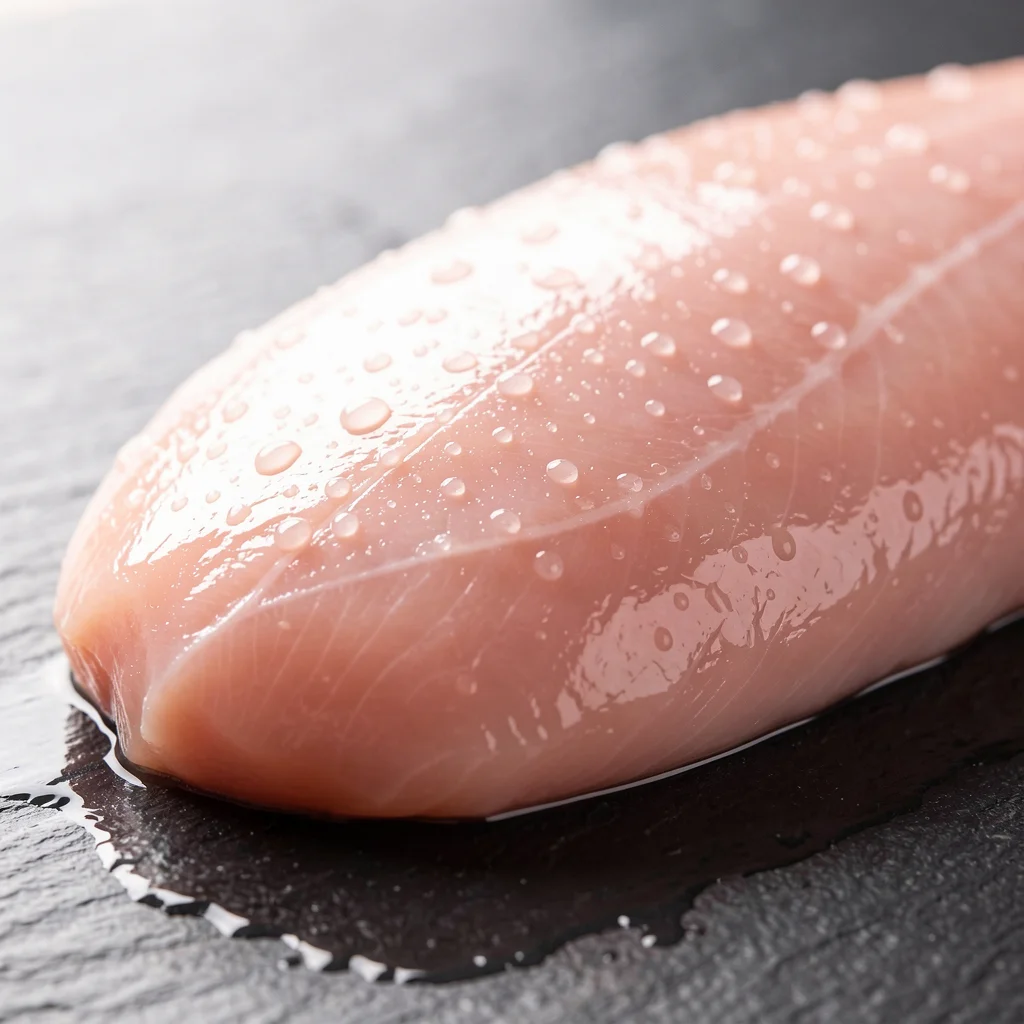 107 kcal
 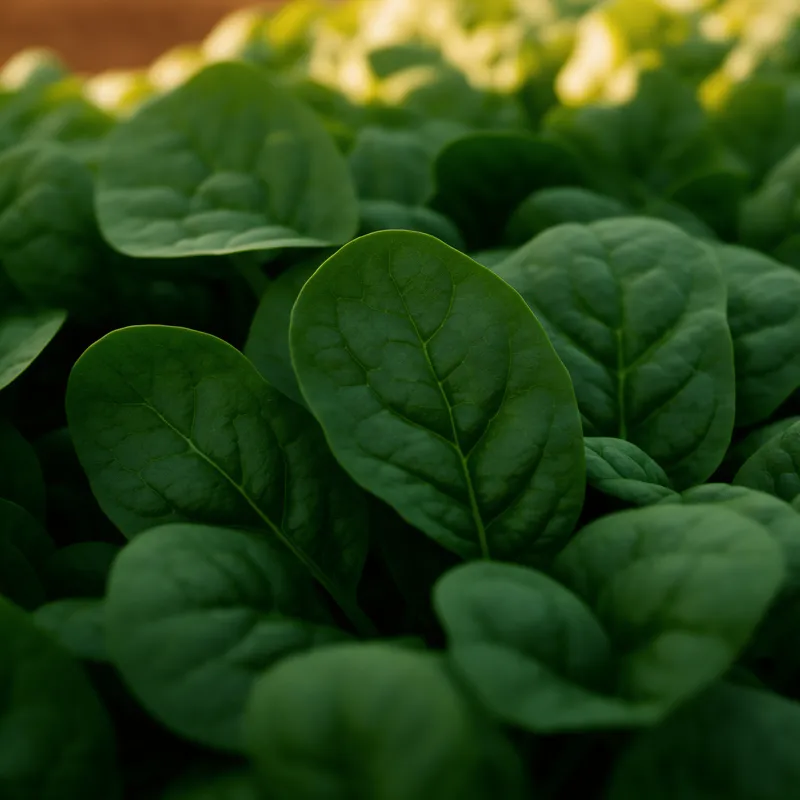 28 kcal