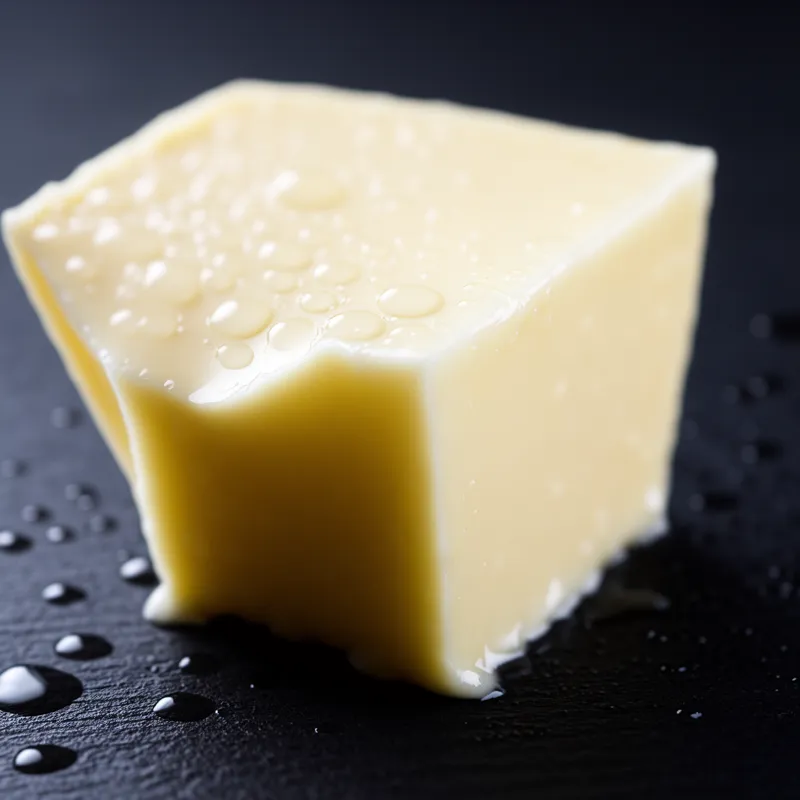
 734 kcal
 F 81.5g
Pure sucrose extracted from either tropical grass or temperate root, refined to a single crystalline structure.
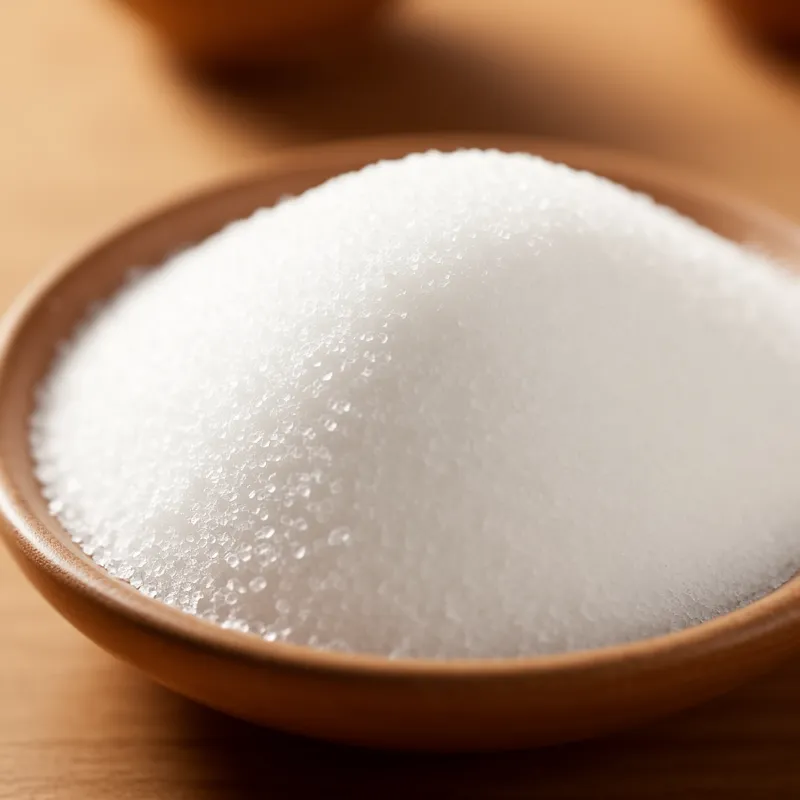
Granulated sugar is essentially 100% sucrose, a disaccharide composed of one glucose molecule and one fructose molecule bonded together. Whether sourced from sugarcane or sugar beets, the final refined product is chemically identical. The refining process relies heavily on crystallization: raw juice is extracted, purified using lime and carbon dioxide to precipitate impurities, and then boiled down in vacuum pans. As the supersaturated syrup cools, sucrose molecules latch onto seed crystals, growing into the uniform, translucent grains recognized as table sugar. The remaining liquid, molasses, is spun off in centrifuges. Because all trace minerals and plant compounds are removed during this process, white granulated sugar contains no protein, fat, or fiber, offering only pure carbohydrate energy. Interestingly, the uniform crystal size isn't just for aesthetics; it determines how the sugar dissolves, which directly impacts the texture and aeration of baked goods. Coarser grains dissolve more slowly, leaving tiny air pockets that help batters rise, whereas finer grades blend rapidly into smooth syrups and creams.
Store granulated sugar in an airtight container in a cool, dry place to prevent moisture absorption, which causes clumping. In baking, creaming sugar with solid fats like butter traps air bubbles that expand during oven heating, providing structural lift to cakes and cookies. When making syrups or jams, sugar acts as a preservative by binding water molecules, lowering water activity and inhibiting microbial growth. Pair it with acidic fruits like strawberries to balance tartness while drawing out natural juices through osmosis.
Per 100g — daily values based on a 2,000 calorie diet
CalRay's AI recognizes sugars and hundreds of thousands of other foods from a photo. No manual lookup needed.
Sugars, granulated contains 385 calories per 100g. A standard serving of 1 teaspoon (4g) provides 15 calories. It is relatively calorie-dense, so portion control is important.
Sugars, granulated provides 0g of protein per 100g, which is 0% of the 50g daily recommended value. It is not a primary protein source.
Sugars, granulated contains 99.6g of carbohydrates per 100g .
Sugars, granulated has 385 kcal per 100g, so portions need to be monitored on a weight-loss diet. Use CalRay to track your intake accurately.
The easiest way to track sugars is with CalRay. Simply snap a photo of your meal and the AI will automatically identify the food and calculate calories and macros based on the estimated portion size — no manual lookup required. You can also search by name and adjust gram weight manually.
734 kcal 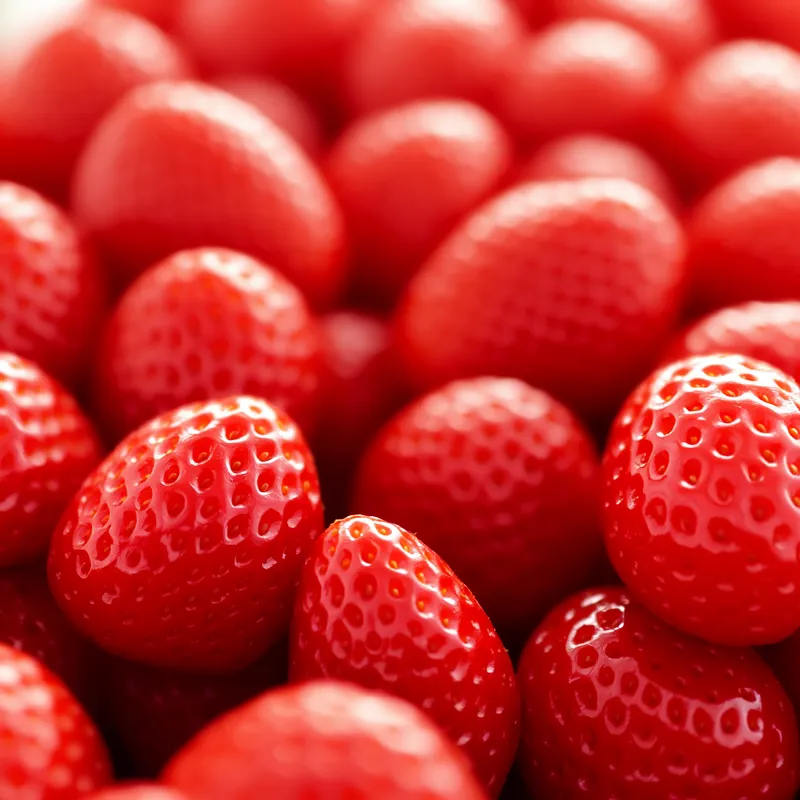 36 kcal
 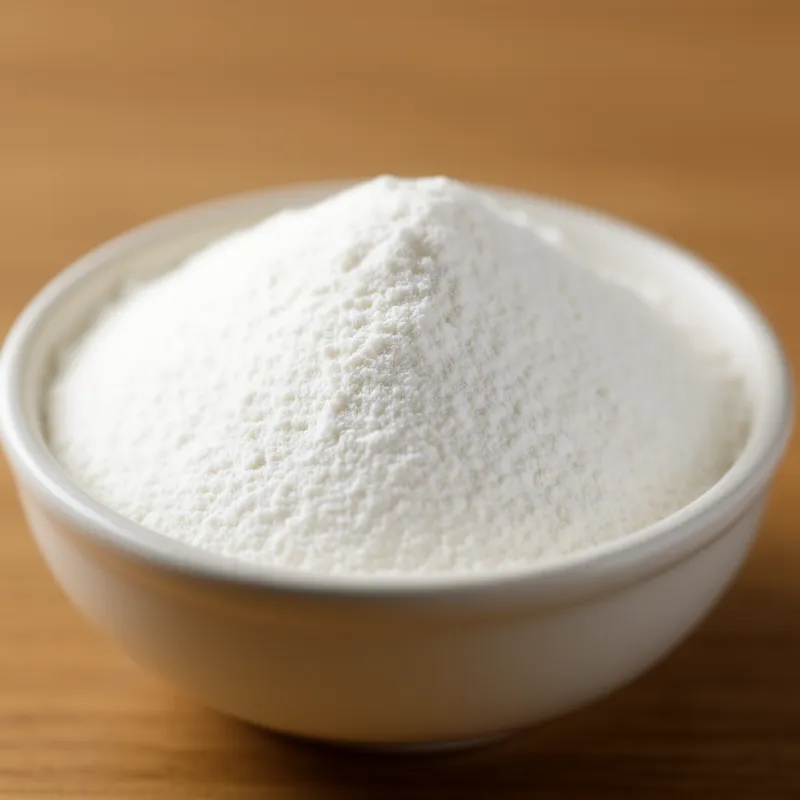 358 kcal