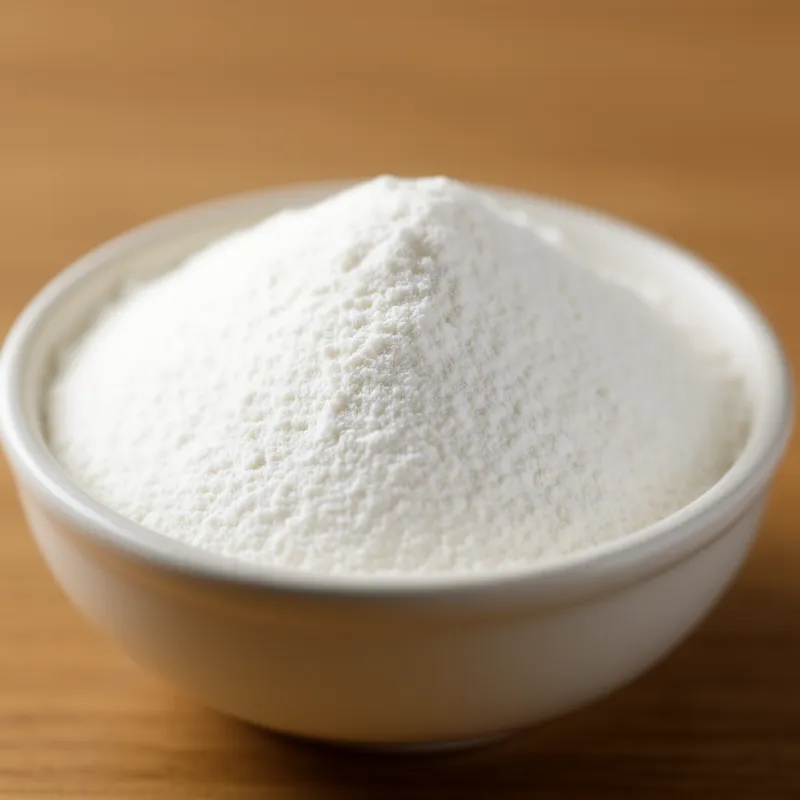
 358 kcal
 P 13.1g C 73.2g F 1.48g
Nearly 80% of stick butter is pure milk fat, with less than 1% protein and almost zero carbohydrate.
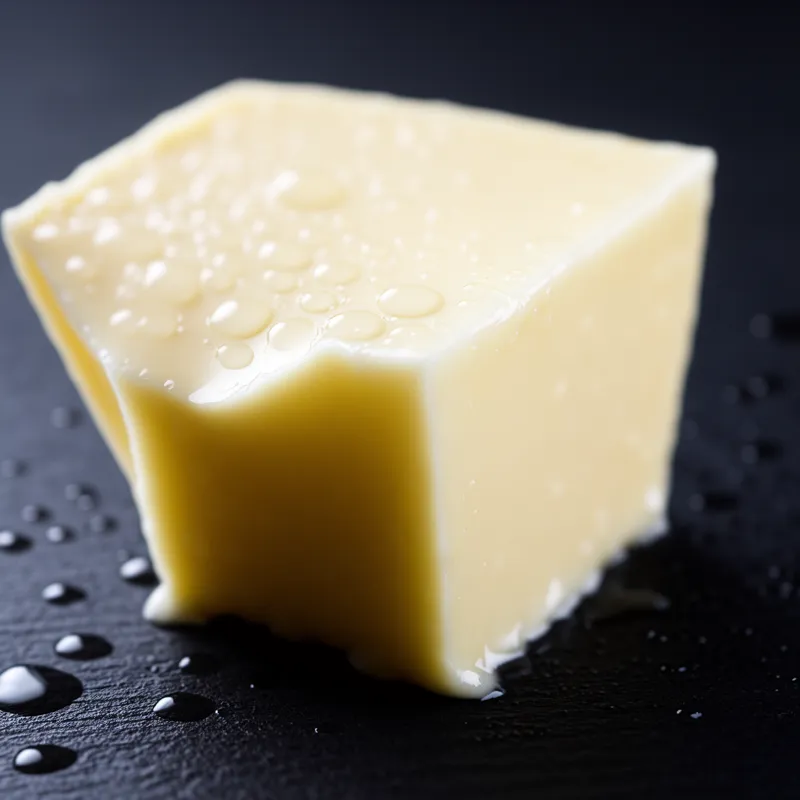
Butter is one of the oldest processed foods humans still eat regularly. Its structure is an emulsion-inversion: cream is a water-in-oil system where fat droplets are suspended in water, but charming physically forces those droplets to rupture and coalesce, flipping the emulsion so that a small amount of residual water becomes trapped inside a continuous fat matrix. That matrix is roughly 80% fat, about 16-18% water, and trace amounts of milk proteins and lactose. The yellow color comes from beta-carotene carried in the fat, which varies by season and diet of the cow. Unsalted butter is preferred in baking because it gives the cook total control over sodium content; salted butter typically contains 1-2% salt by weight, which is enough to noticeably alter flavor balance and even yeast activity in doughs. European-style butters are cultured with lactic acid bacteria before churning, giving a tangier flavor, while standard American stick butter is made from sweet cream.
Use unsalted stick butter for baking and pan sauces where sodium control matters; salted butter can throw off yeast timing and seasoning balance. For flaky laminated doughs like croissants or puff pastry, keep butter cold to maintain distinct fat layers that create steam pockets during baking. Clarify it into ghee for high-heat cooking above 350°F, where whole butter's milk solids would burn. Store wrapped in the refrigerator for up to a month, or freeze for six months to prevent rancidity from fat oxidation.
Per 100g — daily values based on a 2,000 calorie diet
CalRay's AI recognizes butter and hundreds of thousands of other foods from a photo. No manual lookup needed.
Butter, stick, unsalted contains 734 calories per 100g. It is relatively calorie-dense, so portion control is important.
Butter, stick, unsalted provides 0g of protein per 100g, which is 0% of the 50g daily recommended value. It is not a primary protein source.
Butter, stick, unsalted contains 0g of carbohydrates per 100g .
Butter, stick, unsalted has 734 kcal per 100g, so portions need to be monitored on a weight-loss diet. Use CalRay to track your intake accurately.
The easiest way to track butter is with CalRay. Simply snap a photo of your meal and the AI will automatically identify the food and calculate calories and macros based on the estimated portion size — no manual lookup required. You can also search by name and adjust gram weight manually.
358 kcal 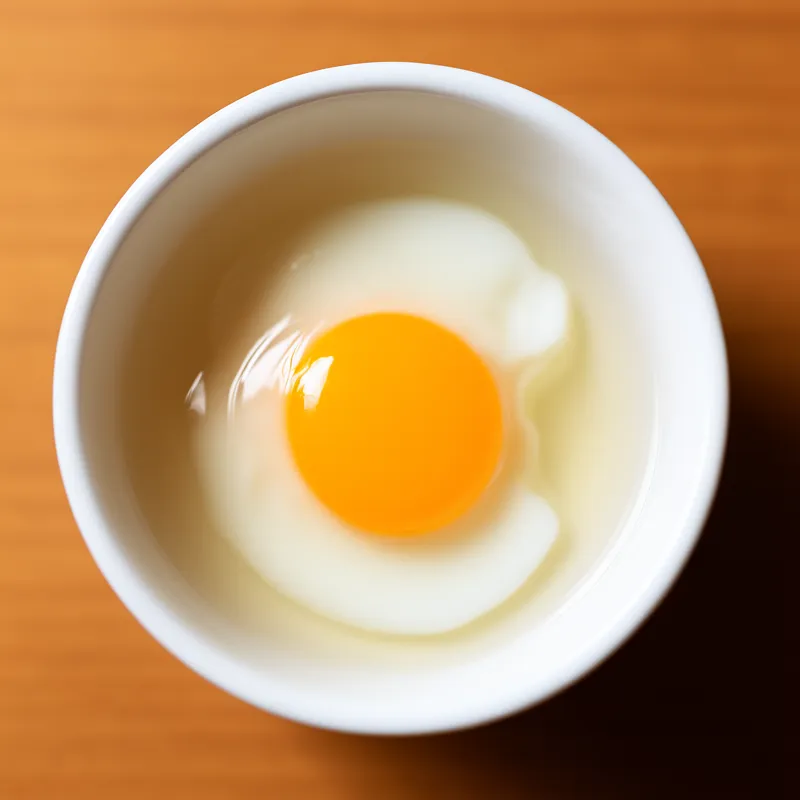 148 kcal
 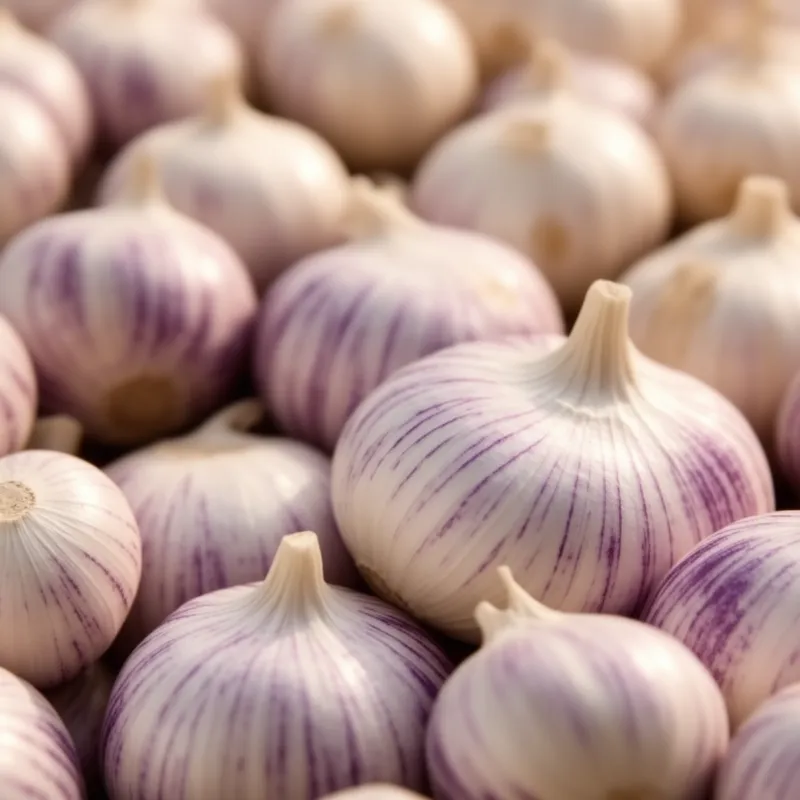 143 kcal