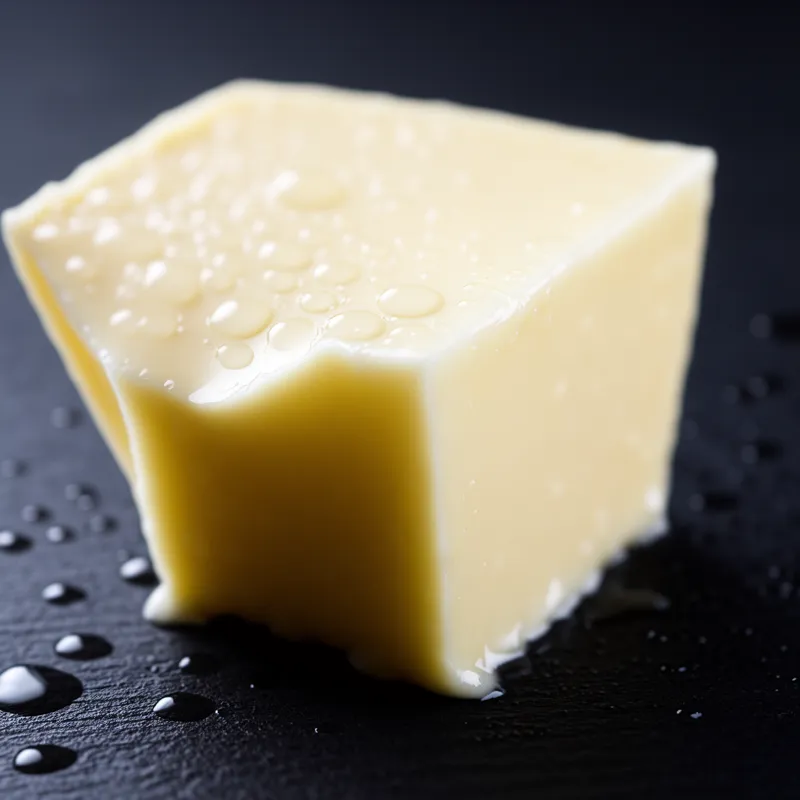
 734 kcal
 F 81.5g
Unbleached flour skips chemical bleaching, relying on ambient oxygen to naturally whiten and strengthen its gluten.
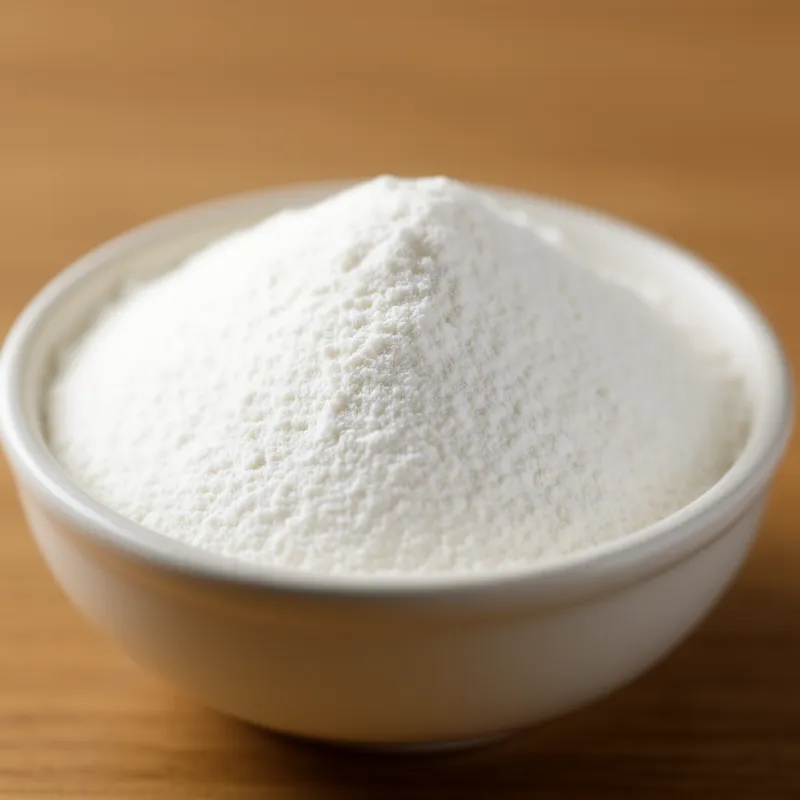
Freshly milled wheat flour is actually pale yellow, not white. This color comes from carotenoid pigments naturally present in the wheat endosperm. To produce stark white flour quickly, industrial millers expose it to chemical bleaching agents like benzoyl peroxide or chlorine gas, which instantly oxidize the pigments and alter the gluten-forming proteins. Unbleached flour, however, skips this chemical shortcut. Instead, it is simply allowed to age naturally in storage for several weeks. During this resting period, ambient oxygen slowly oxidizes the carotenoids, fading the yellow tint, while simultaneously maturing the gliadin and glutenin proteins. This natural oxidation strengthens the gluten network, making unbleached flour particularly well-suited for yeast breads where structural integrity is key. Because all-purpose flour is milled from a blend of hard and soft wheat, it strikes a balance between protein content and tenderness. The 'enriched' label indicates that after the bran and germ were stripped away during milling, synthetic vitamins and minerals—specifically iron, niacin, thiamin, riboflavin, and folic acid—were added back to compensate for the nutritional losses, a practice standardized in the United States starting in the 1940s to combat widespread nutrient deficiencies.
Store unbleached all-purpose flour in an airtight container in a cool, dark pantry to prevent rancidity, though its low fat content gives it a long shelf life. Because it forms a robust gluten network, use it for yeast breads, pizza doughs, and chewy cookies. For tender cakes, consider substituting with pastry flour. To boost the nutritional profile of baked goods, pair it with high-fiber ingredients like oats or ground flaxseed.
Per 100g — daily values based on a 2,000 calorie diet
CalRay's AI recognizes flour and hundreds of thousands of other foods from a photo. No manual lookup needed.
Flour, wheat, all-purpose, enriched, unbleached contains 358 calories per 100g. A standard serving of 1 RACC (30g) provides 107 calories. It is relatively calorie-dense, so portion control is important.
Flour, wheat, all-purpose, enriched, unbleached provides 13.1g of protein per 100g, which is 26% of the 50g daily recommended value. It is a good source of protein.
Flour, wheat, all-purpose, enriched, unbleached contains 73.2g of carbohydrates per 100g .
Flour, wheat, all-purpose, enriched, unbleached has 358 kcal per 100g, so portions need to be monitored on a weight-loss diet. Use CalRay to track your intake accurately.
The easiest way to track flour is with CalRay. Simply snap a photo of your meal and the AI will automatically identify the food and calculate calories and macros based on the estimated portion size — no manual lookup required. You can also search by name and adjust gram weight manually.
734 kcal  148 kcal
  884 kcal