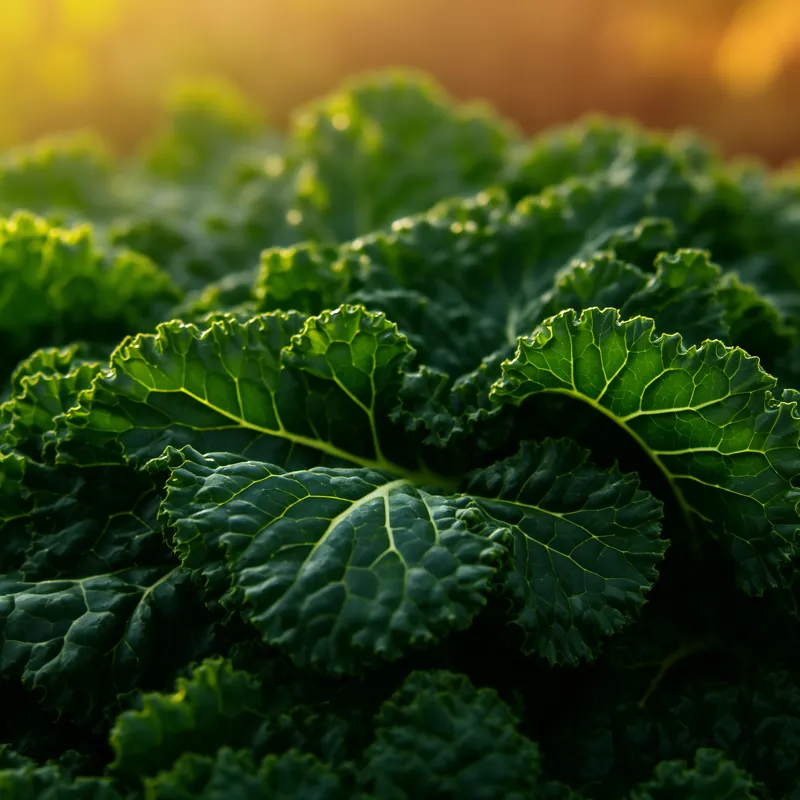
 35 kcal
 P 2.92g C 4.42g F 1.49g
Extracted from specially bred rapeseed, canola oil was engineered to be edible.
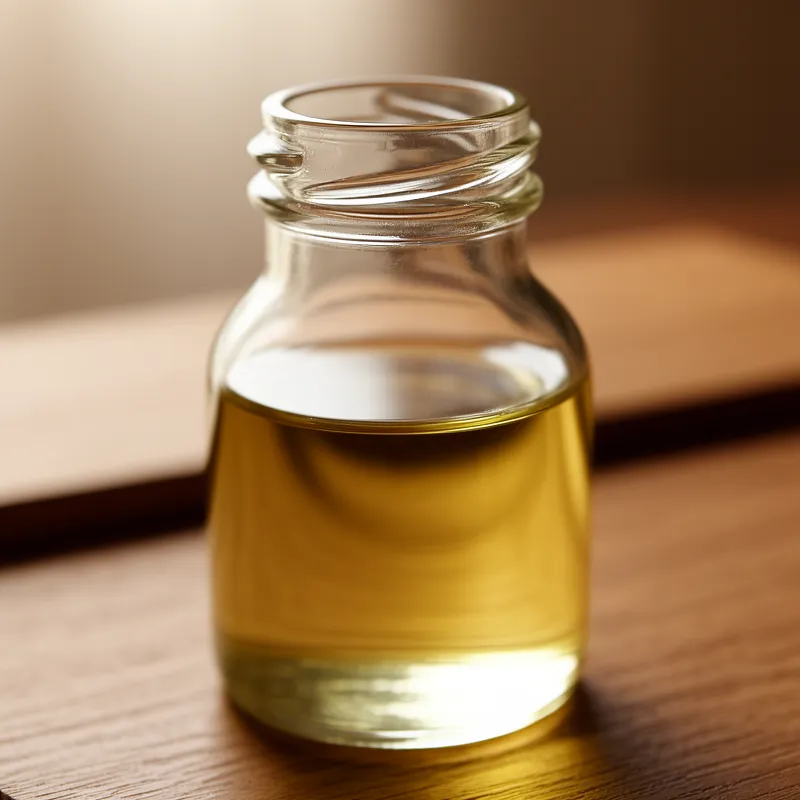
Canola oil's name is a portmanteau of 'Canada' and 'ola' (meaning oil low acid). Traditional rapeseed oil contains high levels of erucic acid, a compound linked to heart lesions in animal models and considered toxic to humans. In the 1970s, Canadian plant breeders used traditional selective breeding techniques—not genetic modification—to create rapeseed varieties with low erucic acid and low glucosinolates, compounds that gave rapeseed meal a bitter, unpalatable taste. This new, safe variety was officially named canola in 1978. To produce the clear, neutral-tasting oil found on supermarket shelves, the crude oil undergoes an intensive refining process. This typically involves solvent extraction using hexane, followed by degumming, bleaching, and high-heat deodorization to strip away impurities, colors, and strong odors. Chemically, canola oil is predominantly monounsaturated fat, notably oleic acid, and contains a relatively low saturated fat content. It also provides a notable amount of alpha-linolenic acid, an essential omega-3 fatty acid, giving it a more favorable omega-6 to omega-3 ratio than many other common seed oils.
Canola oil is best used for high-heat cooking methods like roasting, grilling, and pan-frying due to its smoke point of around 400°F (204°C). Because of its neutral flavor, it won't overpower delicate ingredients when making mayonnaise or baking cakes. It also works well for massaging into raw kale to break down tough fibers. Store it in a cool, dark place to prevent oxidation; refrigeration can extend its shelf life significantly once opened.
Per 100g — daily values based on a 2,000 calorie diet
CalRay's AI recognizes oil and hundreds of thousands of other foods from a photo. No manual lookup needed.
Oil, canola contains 884 calories per 100g. A standard serving of 100 milliliter (90.9g) provides 804 calories. It is relatively calorie-dense, so portion control is important.
Oil, canola provides 0g of protein per 100g, which is 0% of the 50g daily recommended value. It is not a primary protein source.
Oil, canola contains 0g of carbohydrates per 100g .
Oil, canola has 884 kcal per 100g, so portions need to be monitored on a weight-loss diet. Use CalRay to track your intake accurately.
The easiest way to track oil is with CalRay. Simply snap a photo of your meal and the AI will automatically identify the food and calculate calories and macros based on the estimated portion size — no manual lookup required. You can also search by name and adjust gram weight manually.
35 kcal 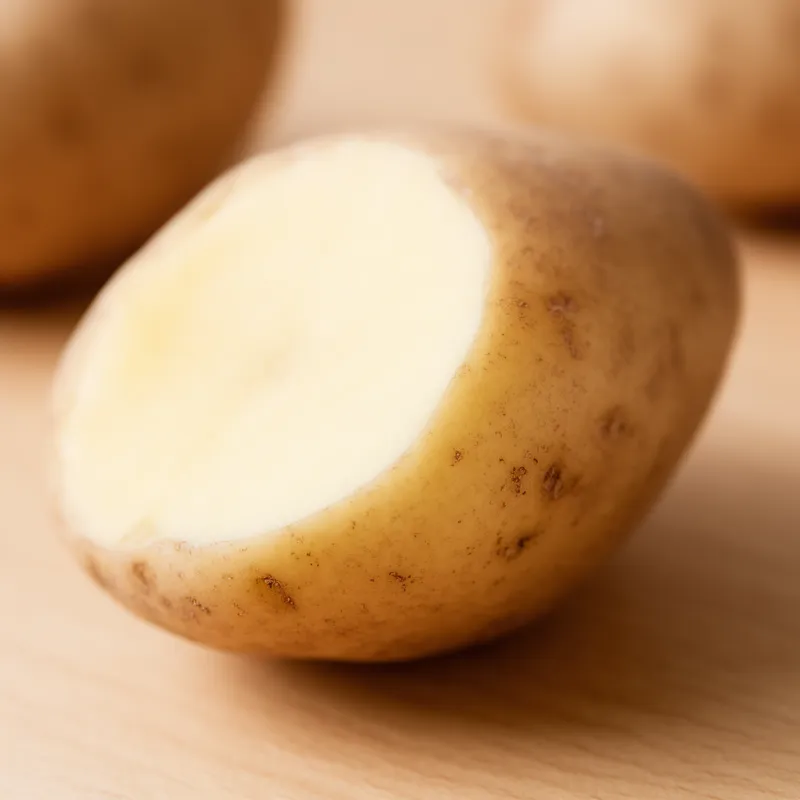 84 kcal
 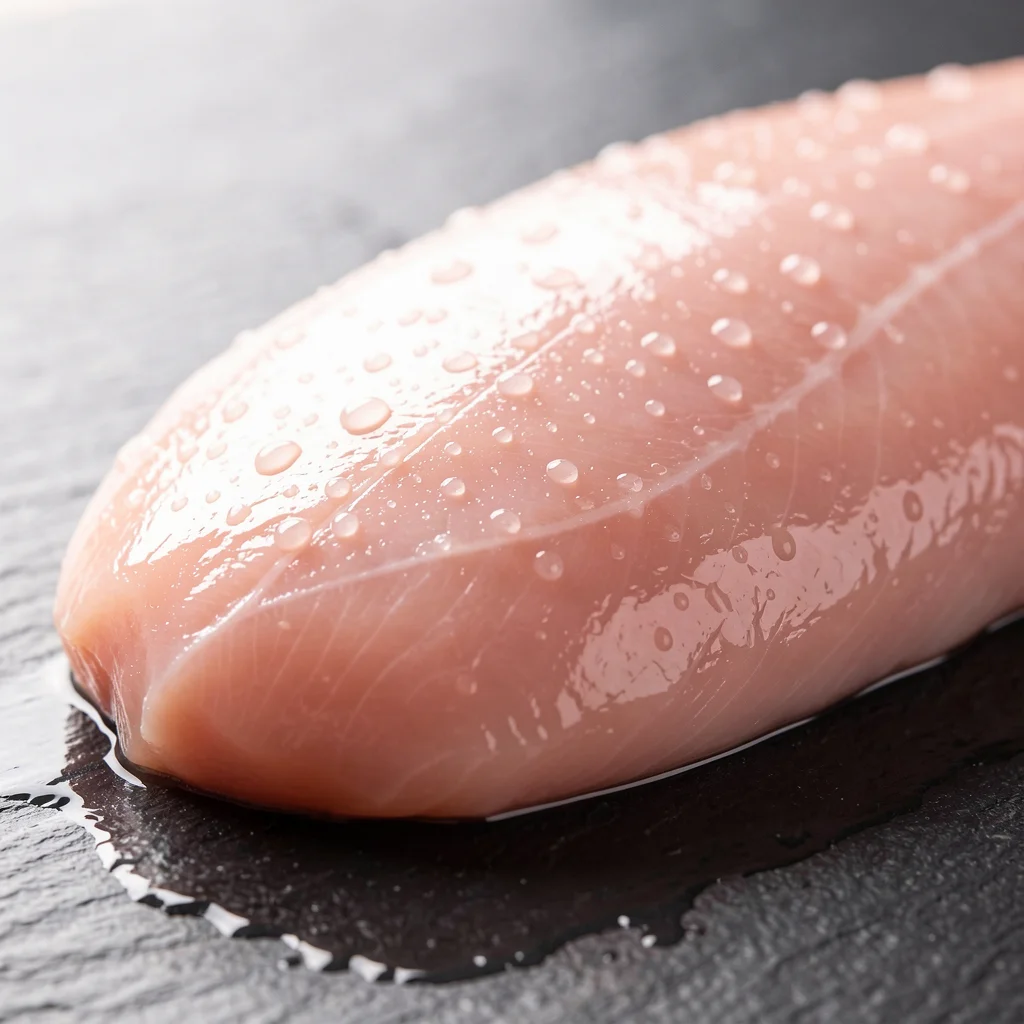 107 kcal