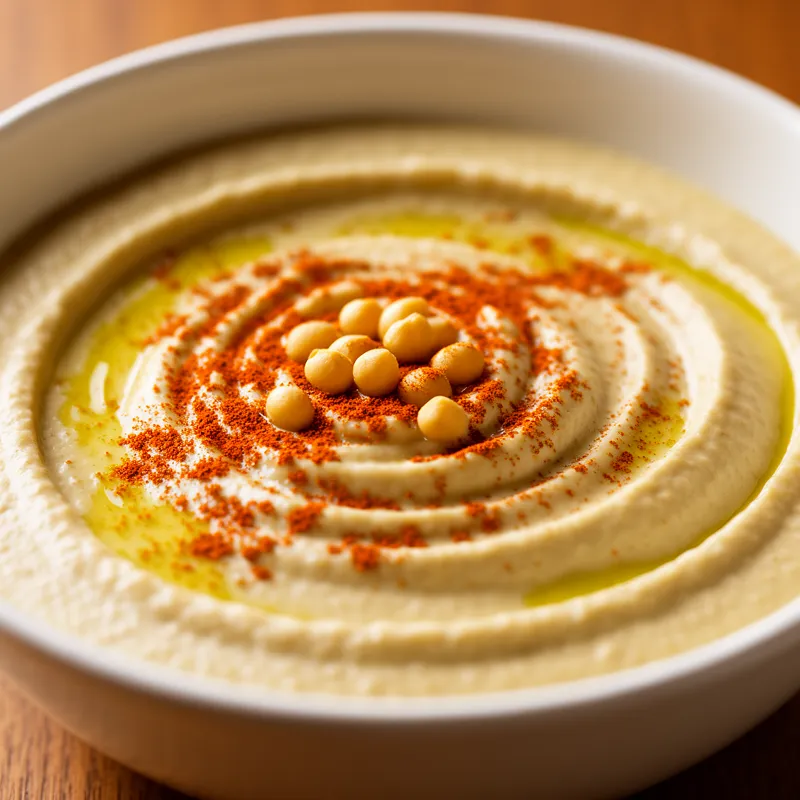
 229 kcal
 P 7.35g C 14.9g F 17.1g
The same sulfur compounds that make wasabi nose-burning are what give red radishes their peppery bite.
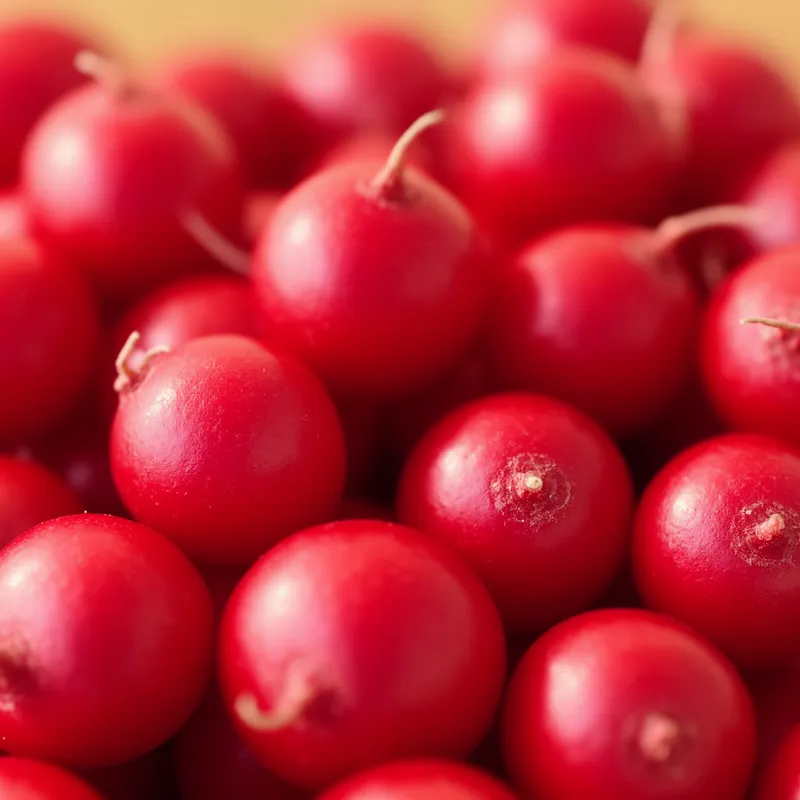
Red radishes defend themselves chemically using the same two-component system found in horseradish, wasabi, and mustard. When intact, the plant stores glucosinolates separately from an enzyme called myrosinase. Chewing crushes the cells, allowing myrosinase to contact the glucosinolates and convert them into isothiocyanates — volatile sulfur compounds that produce the characteristic peppery, slightly burning sensation. This so-called "mustard oil bomb" is an evolutionary defense against herbivores and pathogens. The red skin color comes from anthocyanins, the same pigments in red cabbage and blueberries, while the crisp white interior simply lacks those pigments. Radishes (Raphanus sativus) are among the fastest-growing cultivated vegetables, capable of reaching maturity in as few as 21 days under optimal conditions. That speed made them one of the first crops European farmers could harvest each spring after winter. The genus name Raphanus derives from the Greek for "quickly appearing," a nod to this remarkably short growing cycle.
Slice red radishes thin and soak in ice water for 15 minutes to mellow their bite while maximizing crunch — cold reduces volatile isothiocyanate release. For a classic French preparation, serve halved radishes with good butter and flaky salt; the fat tempers the sulfur compounds. Radishes lose crispness within days as stored starches convert, so use within three to four days of purchase and remove leafy tops before refrigerating since greens pull moisture from the root.
Per 100g — daily values based on a 2,000 calorie diet
CalRay's AI recognizes radishes and hundreds of thousands of other foods from a photo. No manual lookup needed.
Radishes, red contains 20 calories per 100g. It is considered a very low-calorie food (under 50 kcal/100g), making it excellent for weight management.
Radishes, red provides 0.66g of protein per 100g, which is 1% of the 50g daily recommended value. It is not a primary protein source.
Radishes, red contains 4.06g of carbohydrates per 100g . It also provides 1.31g of dietary fiber.
Yes! Radishes, red is very low in calories (20 kcal/100g) and can be eaten in generous portions even on a calorie-restricted diet.
The easiest way to track radishes is with CalRay. Simply snap a photo of your meal and the AI will automatically identify the food and calculate calories and macros based on the estimated portion size — no manual lookup required. You can also search by name and adjust gram weight manually.
229 kcal 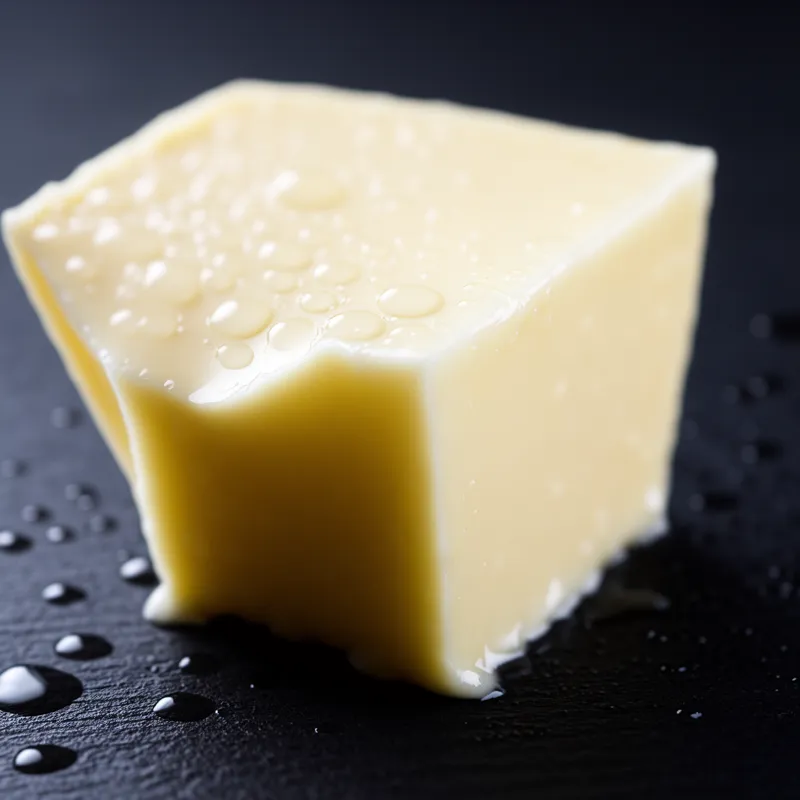 734 kcal
 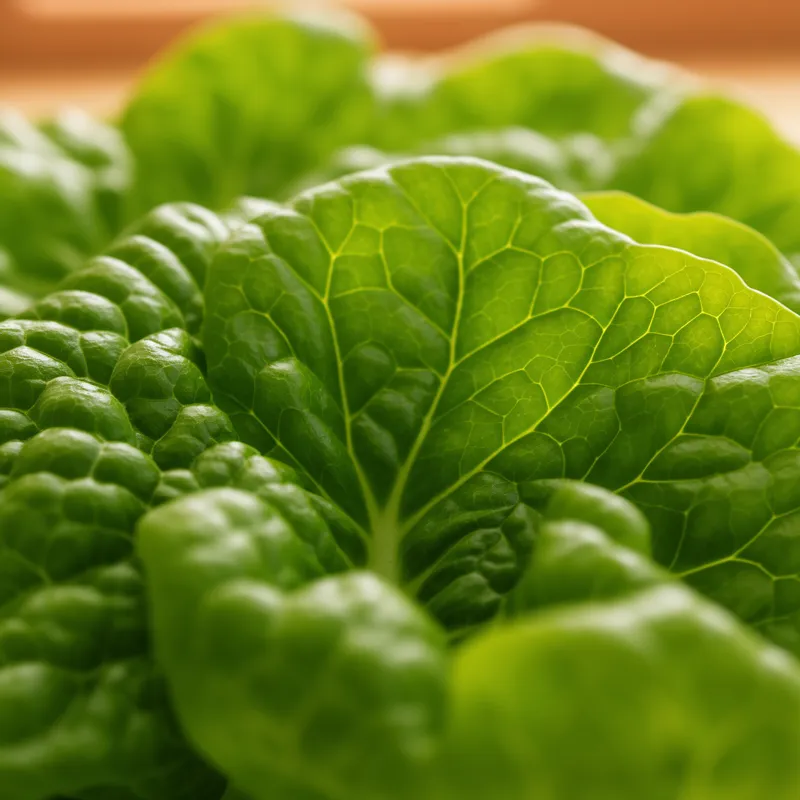 17 kcal