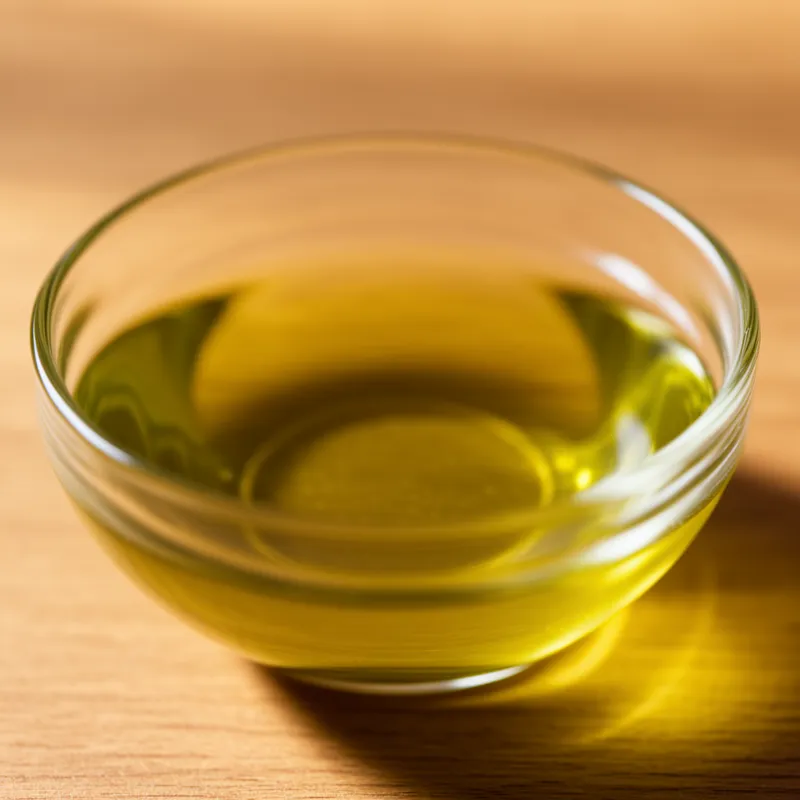
 884 kcal
 P 0g C 0g F 100g
Romaine's upright growth creates a self-blanching head where outer leaves pack vastly more nutrients than the pale interior.
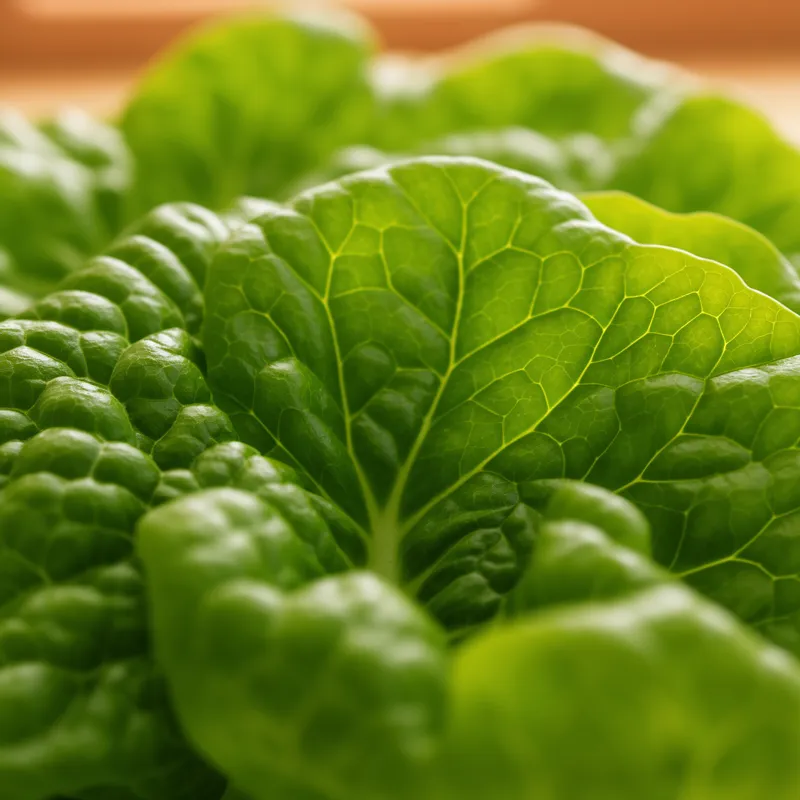
Romaine lettuce, scientifically classified as Lactuca sativa var. longifolia, forms distinct, elongated heads that grow upright rather than spreading outward. This vertical growth habit creates a natural self-blanching effect: the outer leaves are exposed to intense sunlight, while the tightly packed inner leaves remain shielded, developing their characteristic pale, crisp texture. Because of this structural adaptation, the nutritional profile varies dramatically between the outer and inner leaves. The dark green exterior leaves perform the majority of the plant's photosynthesis, accumulating significantly higher concentrations of beta-carotene, lutein, and vitamin K compared to the pale yellow-white interior ribs. Historically, this lettuce variety traces back to the Mediterranean, specifically the Greek island of Kos, which gave it its alternate name, 'cos lettuce.' It later became a staple in Roman gardens, eventually earning the name 'romaine' from its association with the Roman papal gardens in France. Unlike iceberg lettuce, which was bred specifically for storage and transport, romaine retains much of the phytonutrient density of its wild ancestors, making it one of the most nutritionally dense lettuces available.
To maximize nutrient intake, use the darker outer leaves of romaine rather than discarding them, as they contain the highest concentrations of beta-carotene and lutein. Store unwashed heads in a plastic bag in the crisper drawer to retain moisture and crispness for up to a week. Romaine's sturdy ribs make it ideal for grilling or charred salads, which caramelizes the natural sugars and softens the cellulose. Pair it with a fat-based dressing, like olive oil, to enhance the absorption of its fat-soluble vitamins A and K.
Per 100g — daily values based on a 2,000 calorie diet
CalRay's AI recognizes lettuce and hundreds of thousands of other foods from a photo. No manual lookup needed.
Lettuce, cos or romaine contains 17 calories per 100g. A standard serving of 1 bunch (581g) provides 99 calories. It is considered a very low-calorie food (under 50 kcal/100g), making it excellent for weight management.
Lettuce, cos or romaine provides 1.24g of protein per 100g, which is 2% of the 50g daily recommended value. It is not a primary protein source.
Lettuce, cos or romaine contains 3.24g of carbohydrates per 100g . It also provides 1.8g of dietary fiber.
Yes! Lettuce, cos or romaine is very low in calories (17 kcal/100g) and can be eaten in generous portions even on a calorie-restricted diet.
The easiest way to track lettuce is with CalRay. Simply snap a photo of your meal and the AI will automatically identify the food and calculate calories and macros based on the estimated portion size — no manual lookup required. You can also search by name and adjust gram weight manually.
884 kcal  421 kcal
 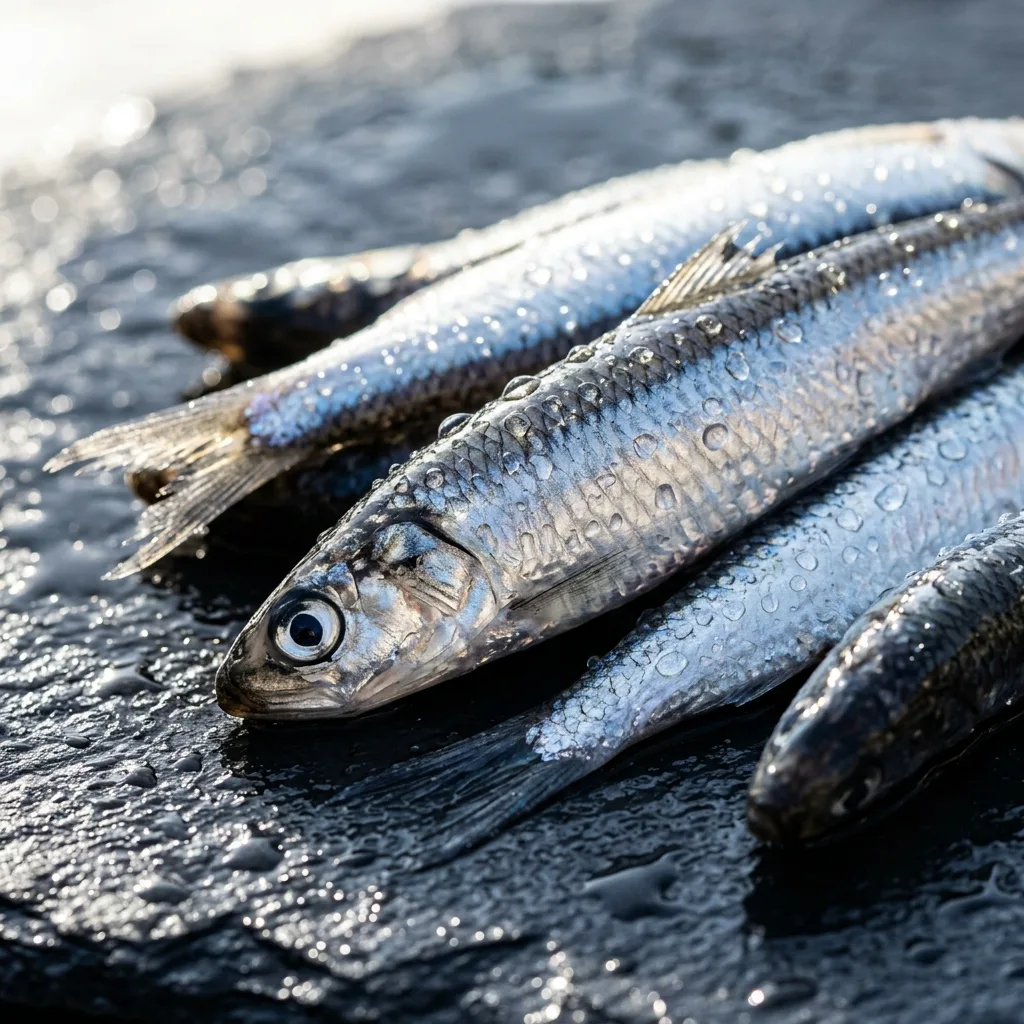 206 kcal