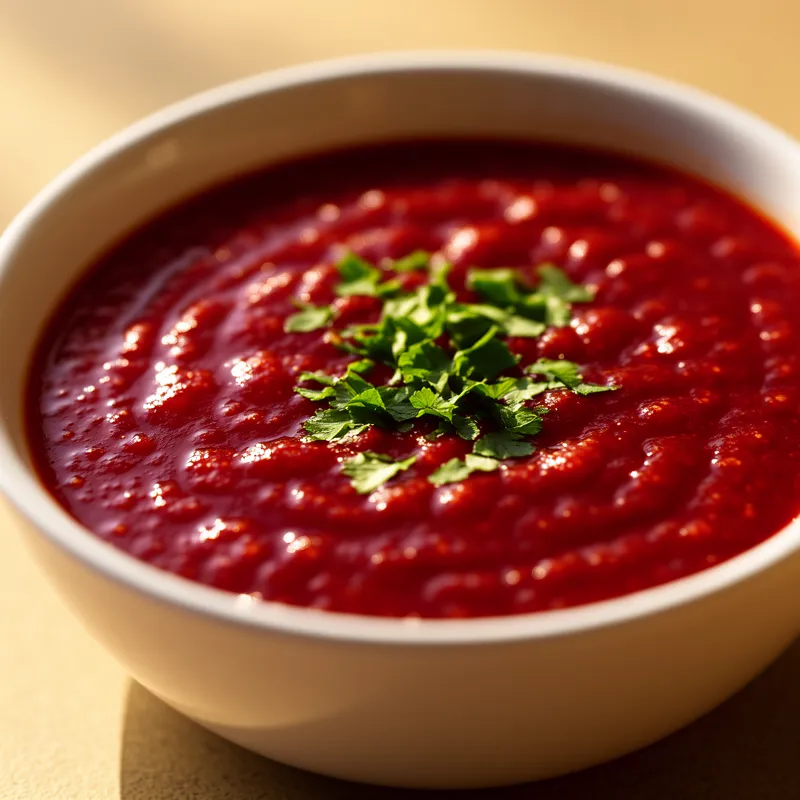
 45 kcal
 P 1.41g C 8.05g F 1.48g
Ground pork's fat ratio is largely unregulated, meaning its juiciness and flavor can vary wildly depending on which primal cuts are ground together.
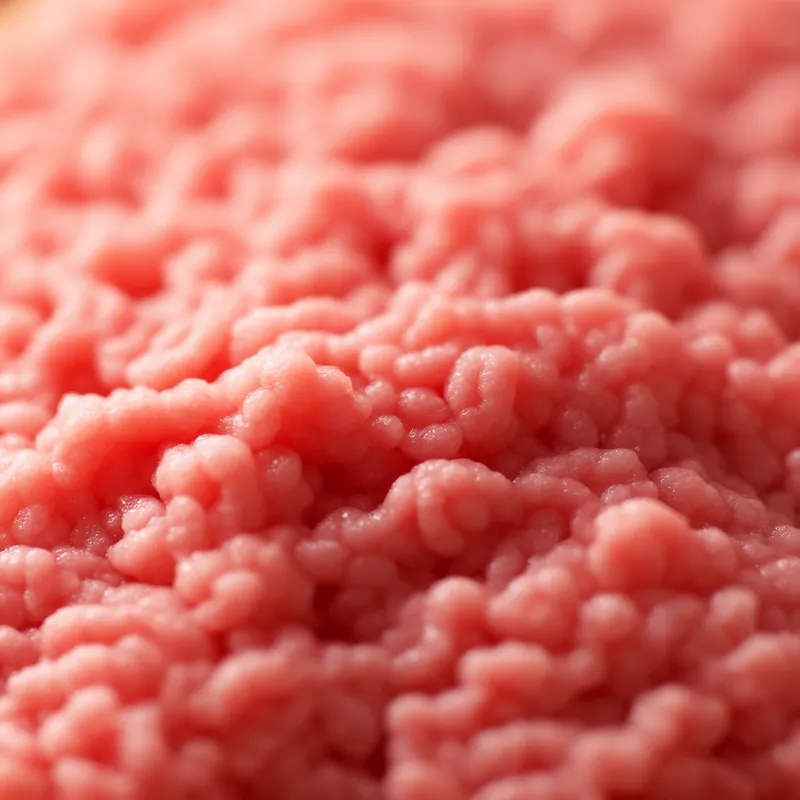
Ground pork's fat content is largely dictated by the primal cut it originates from, typically combining lean shoulder (picnic or Boston butt) with fatty belly trimmings. Unlike beef, where specific lean-to-fat ratios like 80/20 are strictly regulated and marketed, commercial ground pork often varies widely, usually hovering around 15 to 20 percent fat. This fat is primarily composed of oleic acid, the same monounsaturated fat found in olive oil, which gives pork its characteristic succulence and a relatively low melting point that keeps it tender during cooking. Historically, grinding pork was a crucial preservation strategy; finely minced meat mixed with salt and spices could be stuffed into casings or cured into sausages, extending its shelf life long before refrigeration existed. The grinding process itself mechanically ruptures muscle fibers, releasing myoglobin and accelerating oxidation. Because of this increased surface area, ground pork spoils much faster than whole cuts and requires strict temperature control and thorough cooking to eliminate potential foodborne pathogens, though modern farming practices have virtually eliminated trichinellosis from commercial pork.
Ground pork is highly versatile and excels in dishes requiring binders and bold seasonings. When cooking, aim for an internal temperature of 160°F (71°C) to ensure safety while preserving moisture. Because it lacks structural integrity, it absorbs marinades rapidly and pairs exceptionally well with acidic ingredients like vinegar or tomatoes, which help break down the dense proteins. Store it in the coldest part of your refrigerator and use it within one to two days, or freeze it flat in airtight packaging for up to three months to prevent freezer burn.
Per 100g — daily values based on a 2,000 calorie diet
CalRay's AI recognizes pork ground and hundreds of thousands of other foods from a photo. No manual lookup needed.
Pork ground contains 229 calories per 100g. A standard serving of 1 RACC (110g) provides 252 calories. It is relatively calorie-dense, so portion control is important.
Pork ground provides 17.8g of protein per 100g, which is 36% of the 50g daily recommended value. It is a good source of protein.
Pork ground contains 0g of carbohydrates per 100g .
Pork ground has 229 kcal per 100g, so portions need to be monitored on a weight-loss diet. Use CalRay to track your intake accurately. Its high protein content (17.8g/100g) helps with satiety.
The easiest way to track pork ground is with CalRay. Simply snap a photo of your meal and the AI will automatically identify the food and calculate calories and macros based on the estimated portion size — no manual lookup required. You can also search by name and adjust gram weight manually.
45 kcal 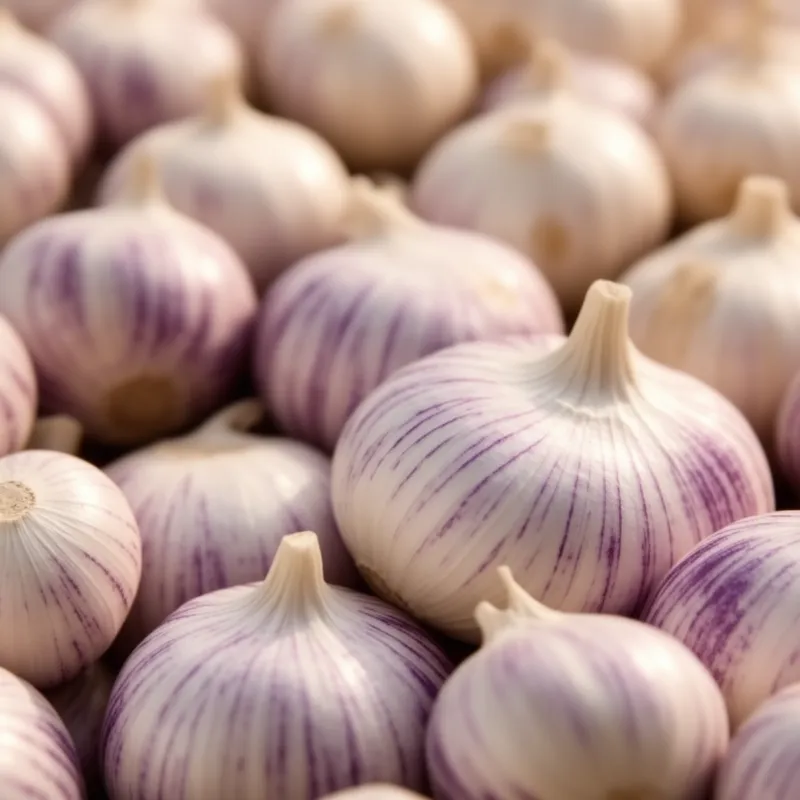 143 kcal
 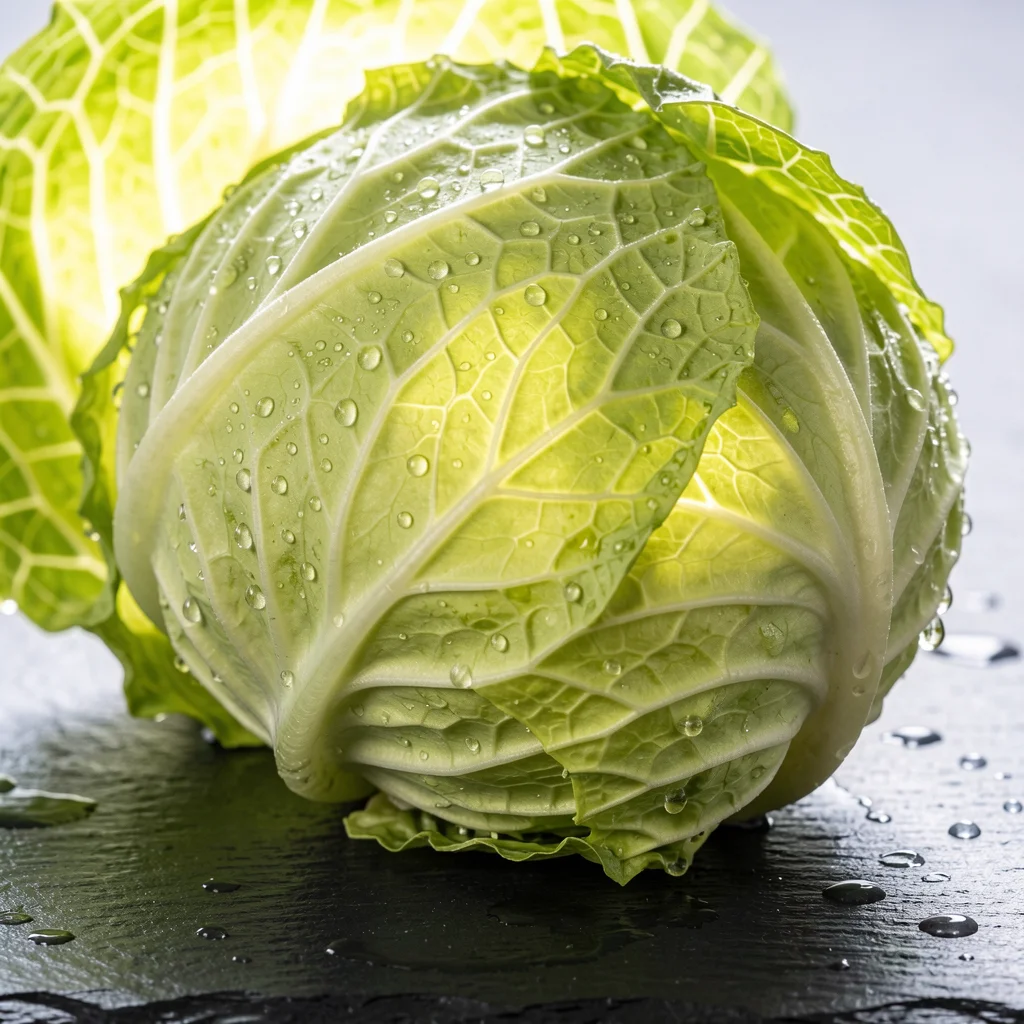 31 kcal