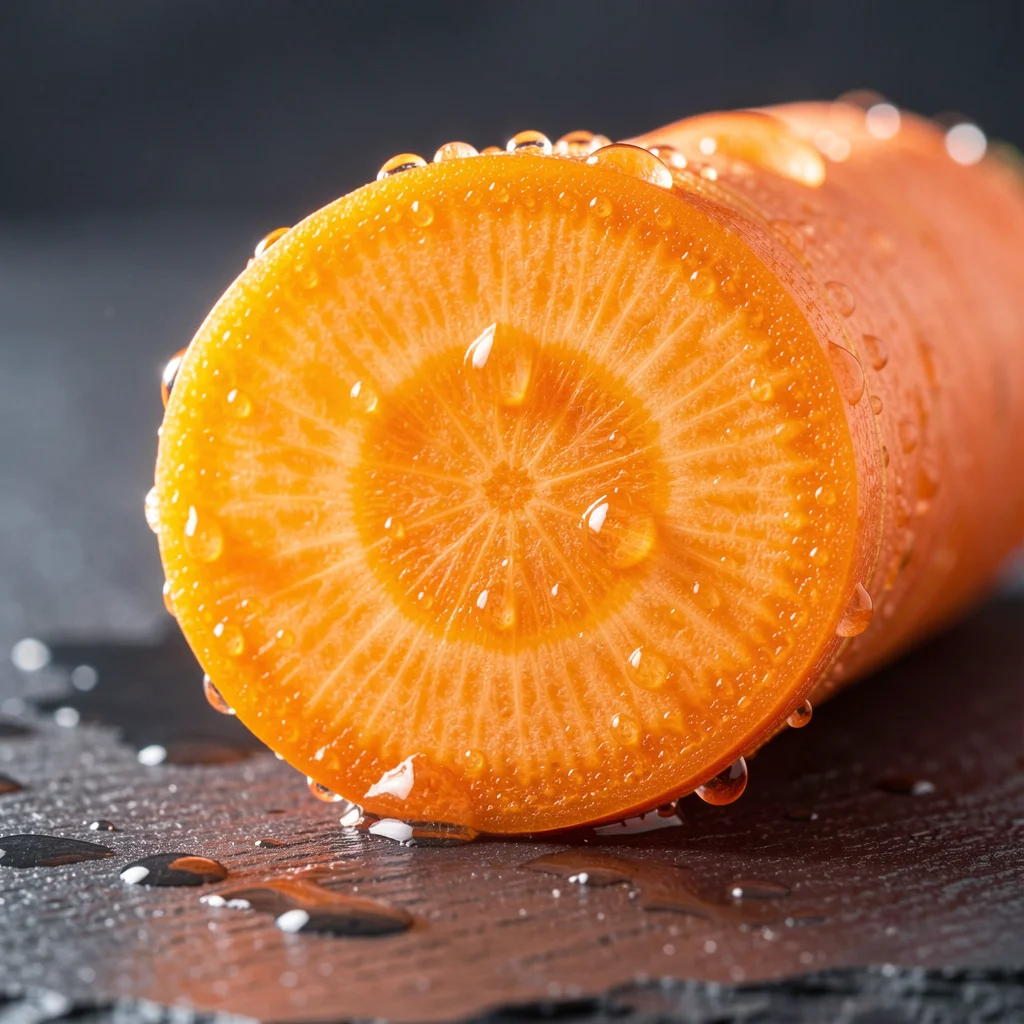
 48 kcal
 P 0.94g C 10.3g F 0.35g
The pungent smell of overcooked cabbage comes from hydrogen sulfide, released when its sulfur-rich defense compounds break down under prolonged heat.
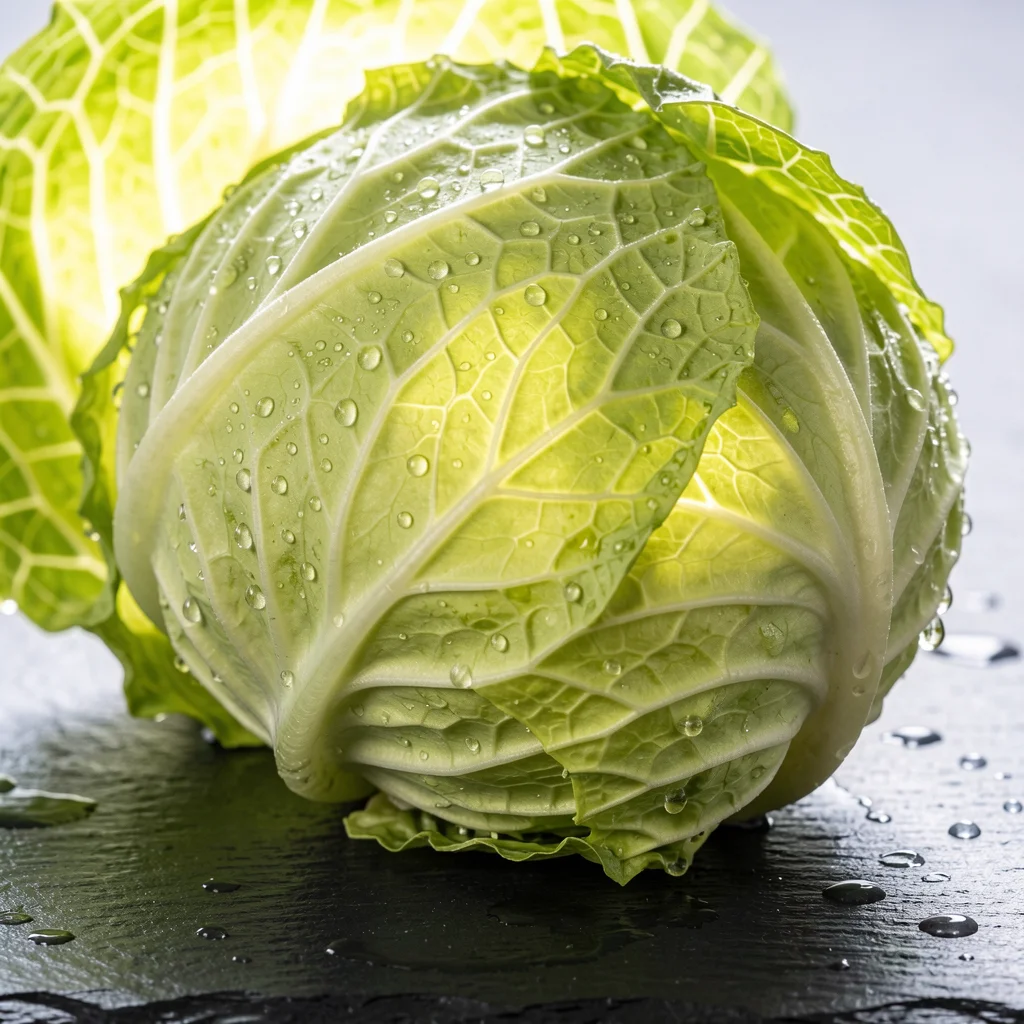
Green cabbage belongs to the Brassica oleracea species, a remarkably diverse plant family that humans have selectively bred into broccoli, cauliflower, kohlrabi, and kale. The vegetable's notorious reputation for an unpleasant odor when overcooked stems from its unique sulfur chemistry. Cabbage leaves contain glucosinolates, sulfur-rich compounds that act as a natural defense mechanism against herbivores. When subjected to prolonged heat, these glucosinolates break down and release hydrogen sulfide gas. The intensity of this sulfurous aroma increases the longer the cabbage boils, which is why brief cooking methods like steaming or stir-frying preserve both the flavor and the nutritional integrity. Beyond its raw crunch, cabbage has a profound historical role in food preservation. The surface of every cabbage leaf is naturally coated with Lactobacillus bacteria. When submerged in a saltwater brine and deprived of oxygen, these bacteria consume the cabbage's natural sugars and excrete lactic acid. This process, known as lacto-fermentation, lowers the pH of the environment enough to kill off harmful spoilage bacteria, effectively preserving the cabbage for months without refrigeration. This ancient technique gave rise to staples like sauerkraut and kimchi.
To maximize nutritional value and avoid the sulfurous odor of overcooked cabbage, use quick cooking methods like stir-frying or brief steaming. If eating it raw, shred the leaves finely and massage them with a pinch of salt; this breaks down the tough cell walls, making the vitamin C and K more bioavailable while softening the texture for salads. For fermentation, use non-iodized salt to ensure the Lactobacillus bacteria thrive without interference from iodine, which can inhibit the process.
Per 100g — daily values based on a 2,000 calorie diet
CalRay's AI recognizes cabbage and hundreds of thousands of other foods from a photo. No manual lookup needed.
Cabbage, green contains 31 calories per 100g. A standard serving of 1 RACC (85g) provides 26 calories. It is considered a very low-calorie food (under 50 kcal/100g), making it excellent for weight management.
Cabbage, green provides 0.96g of protein per 100g, which is 2% of the 50g daily recommended value. It is not a primary protein source.
Cabbage, green contains 6.38g of carbohydrates per 100g .
Yes! Cabbage, green is very low in calories (31 kcal/100g) and can be eaten in generous portions even on a calorie-restricted diet.
The easiest way to track cabbage is with CalRay. Simply snap a photo of your meal and the AI will automatically identify the food and calculate calories and macros based on the estimated portion size — no manual lookup required. You can also search by name and adjust gram weight manually.
48 kcal 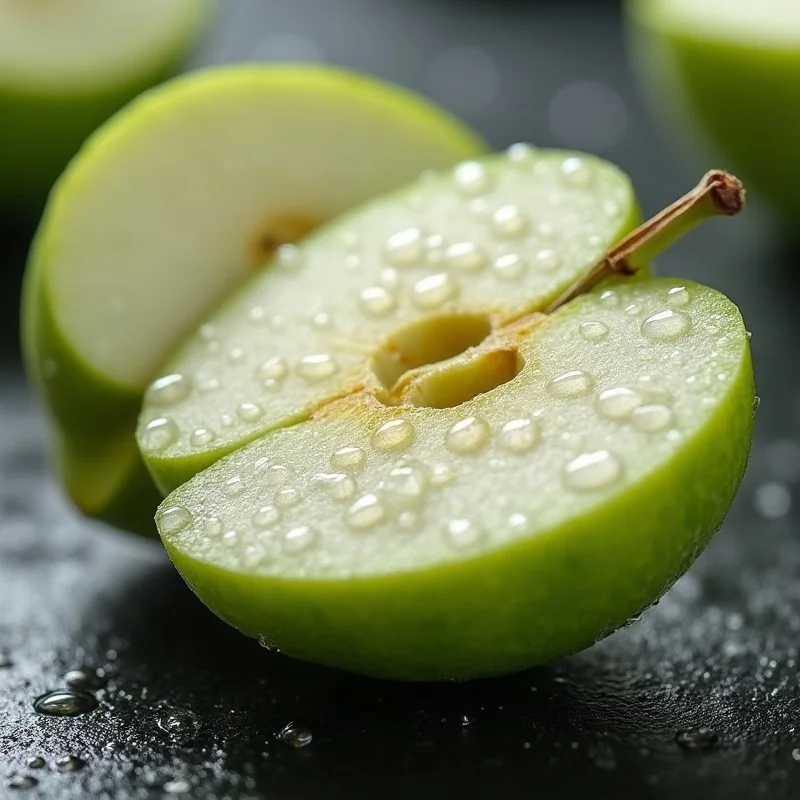 59 kcal
 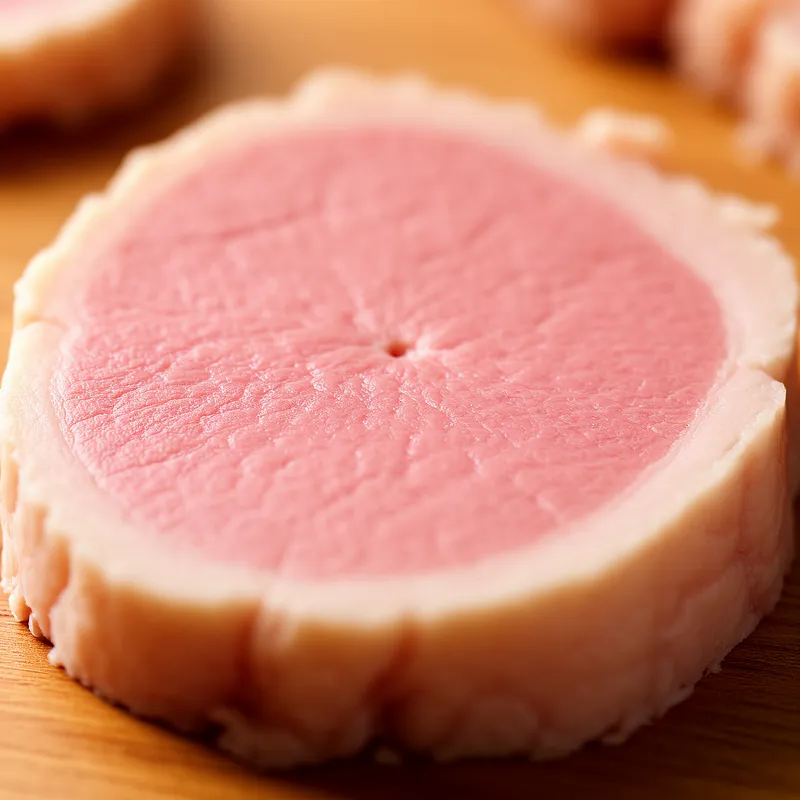 138 kcal