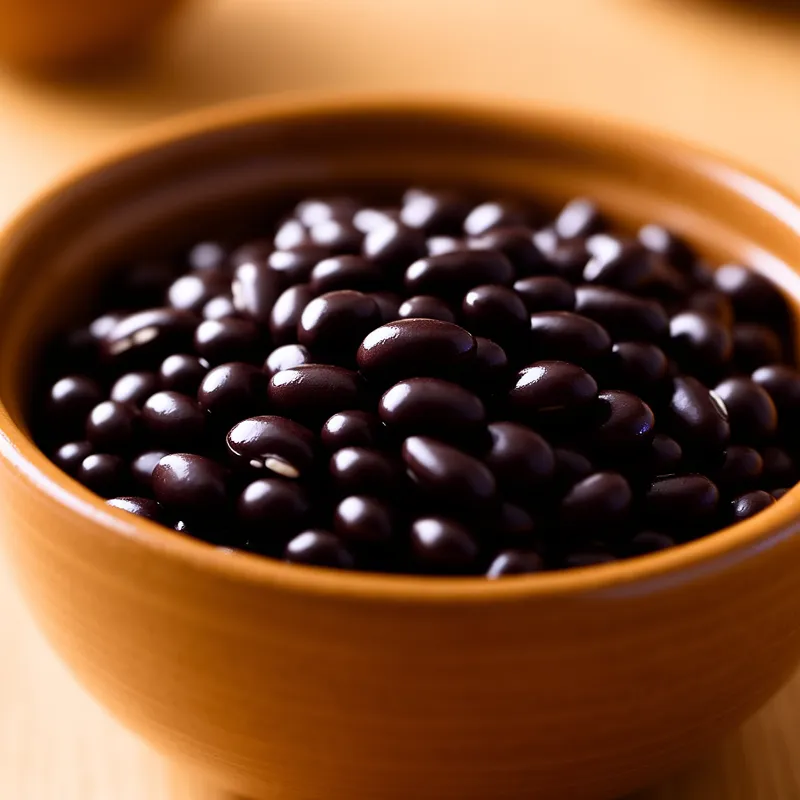
 118 kcal
 P 6.91g C 19.8g F 1.27g
A starchy banana relative that sweetens dramatically as its skin turns black.
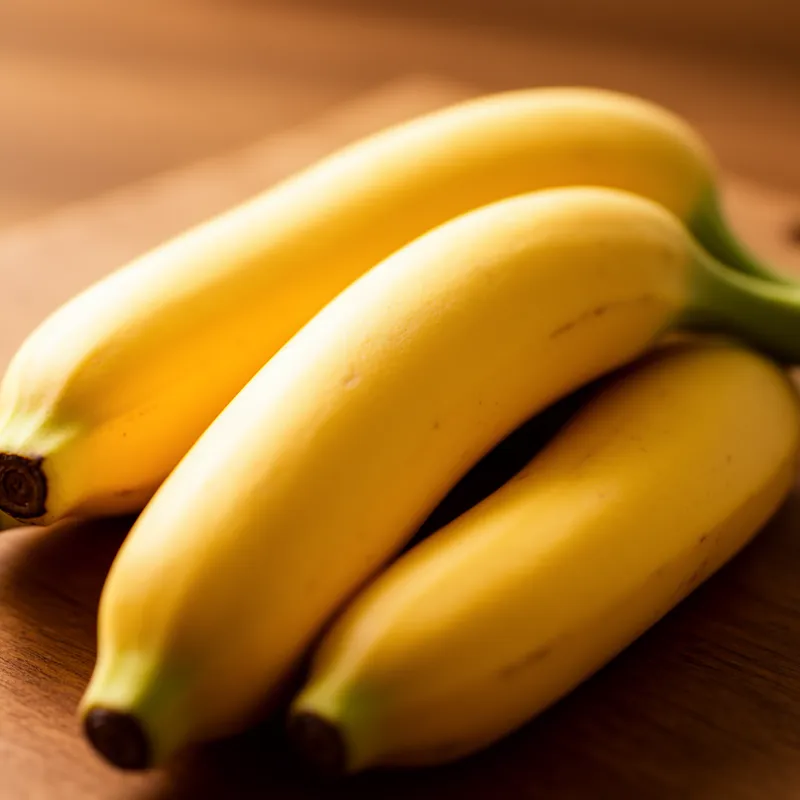
Plantains belong to the same genus as dessert bananas (Musa), but they are classified as a distinct subgroup due to their higher starch and lower sugar content. As a plantain ripens, its starches undergo enzymatic hydrolysis, breaking down into simple sugars like sucrose, fructose, and glucose. This chemical transformation is why a green plantain tastes distinctly potato-like, while a fully ripe one—often with a blackened peel—becomes deeply sweet and caramelizes beautifully when fried. Unlike dessert bananas, plantains are almost always cooked before eating because their cell walls contain high levels of resistant starch and pectin that remain relatively intact even as the fruit softens. This resistant starch acts functionally like dietary fiber, resisting digestion in the small intestine and fermenting in the colon to produce short-chain fatty acids. The ripening process also increases the bioavailability of certain antioxidants, such as lutein and zeaxanthin, which are concentrated in the fruit's flesh.
To maximize natural sweetness, wait until the peel is mostly black before peeling and cooking. Slice them diagonally and pan-fry in a small amount of coconut oil until the edges caramelize; this method preserves their potassium while adding a crispy texture. Pair them with a protein source like black beans to balance the high carbohydrate load and slow the glycemic response. Store them at room temperature, as refrigeration halts the ripening process and can cause the flesh to darken prematurely.
Per 100g — daily values based on a 2,000 calorie diet
CalRay's AI recognizes plantains and hundreds of thousands of other foods from a photo. No manual lookup needed.
Plantains, ripe contains 137 calories per 100g. A standard serving of 1 RACC (140g) provides 192 calories. It is a moderate-calorie food that can fit into most healthy diets.
Plantains, ripe provides 1.16g of protein per 100g, which is 2% of the 50g daily recommended value. It is not a primary protein source.
Plantains, ripe contains 31g of carbohydrates per 100g . It also provides 2.12g of dietary fiber.
Plantains, ripe has 137 kcal per 100g, which is relatively moderate. It can fit into a weight-loss diet as long as portion sizes are managed.
The easiest way to track plantains is with CalRay. Simply snap a photo of your meal and the AI will automatically identify the food and calculate calories and macros based on the estimated portion size — no manual lookup required. You can also search by name and adjust gram weight manually.
118 kcal  833 kcal
  146 kcal