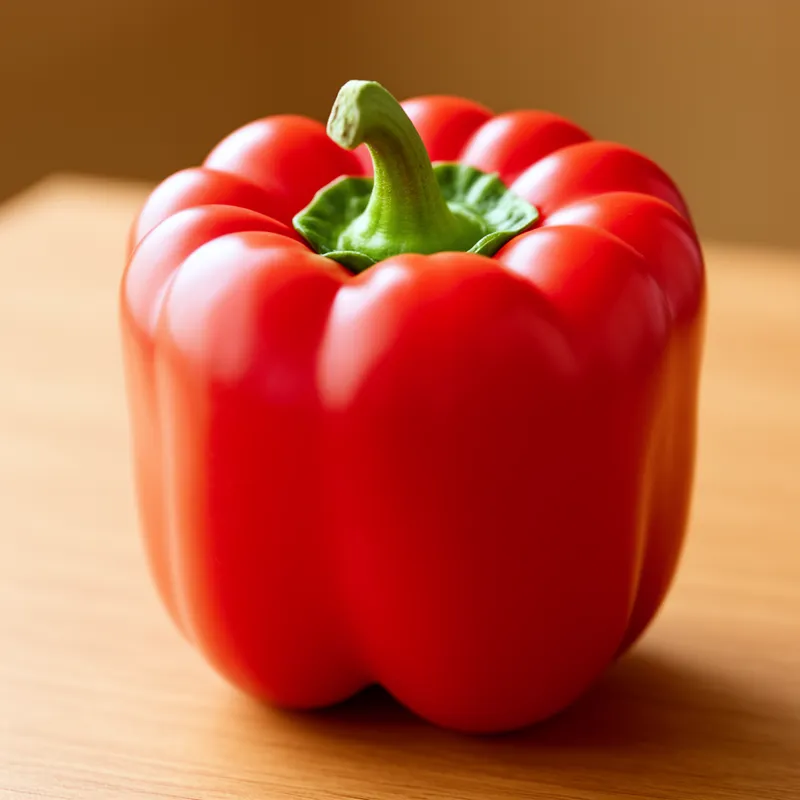
 31 kcal
 P 0.9g C 6.65g F 0.13g
The dark seed coat of a black bean contains the same heart-healthy anthocyanins found in blueberries, but bound to calcium and magnesium for heat stability.
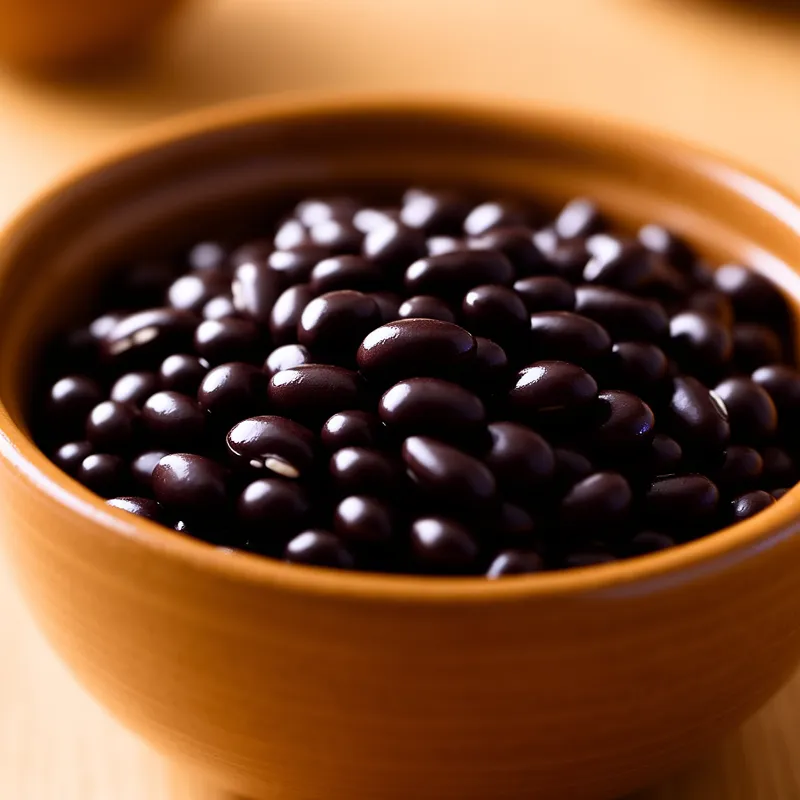
Black beans owe their striking midnight hue to a complex layer of anthocyanins in the seed coat, the same class of water-soluble pigments that give blueberries and blackberries their vibrant colors. However, unlike berry pigments that readily leach and degrade when heated, the anthocyanins in black beans—primarily delphinidin, petunidin, and malvidin—are structurally acylated. This means they are chemically bound to aromatic acids, making them remarkably stable against thermal degradation. Furthermore, these pigments form intricate complexes with metal ions like calcium and magnesium naturally present in the bean's cellular matrix. This structural fortification is why the beans retain their deep color even after hours of simmering, though some pigment inevitably leaches into the cooking water, turning it a dark, inky purple. Historically, this pigment stability made black beans a staple in Mesoamerican diets for over 7,000 years, where they were cultivated alongside maize and squash. The indigenous practice of cooking black beans with an alkaline substance, like wood ash or lime, actually alters the anthocyanin structure further, shifting the color toward a deeper blue-black while simultaneously softening the skins and increasing calcium bioavailability.
To maximize the absorption of non-heme iron in black beans, pair them with vitamin C-rich foods like tomatoes or bell peppers. If cooking from dry, soak the beans for 8 to 12 hours and discard the soaking water to reduce phytic acid, which can bind to minerals and inhibit their absorption. Simmering with a piece of kombu seaweed can further break down indigestible oligosaccharides, reducing the post-meal bloating commonly associated with legumes.
Per 100g — daily values based on a 2,000 calorie diet
CalRay's AI recognizes beans and hundreds of thousands of other foods from a photo. No manual lookup needed.
Beans, black contains 118 calories per 100g. A standard serving of 1 RACC (130g) provides 153 calories. It is a moderate-calorie food that can fit into most healthy diets.
Beans, black provides 6.91g of protein per 100g, which is 14% of the 50g daily recommended value. It is not a primary protein source.
Beans, black contains 19.8g of carbohydrates per 100g .
Beans, black has 118 kcal per 100g, which is relatively moderate. It can fit into a weight-loss diet as long as portion sizes are managed.
The easiest way to track beans is with CalRay. Simply snap a photo of your meal and the AI will automatically identify the food and calculate calories and macros based on the estimated portion size — no manual lookup required. You can also search by name and adjust gram weight manually.
31 kcal 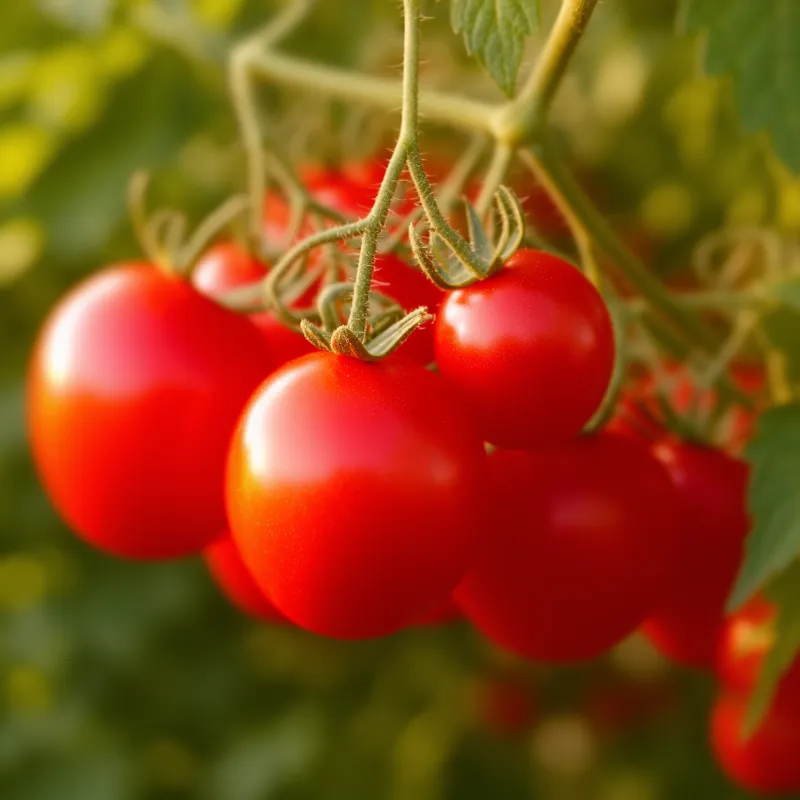 27 kcal
 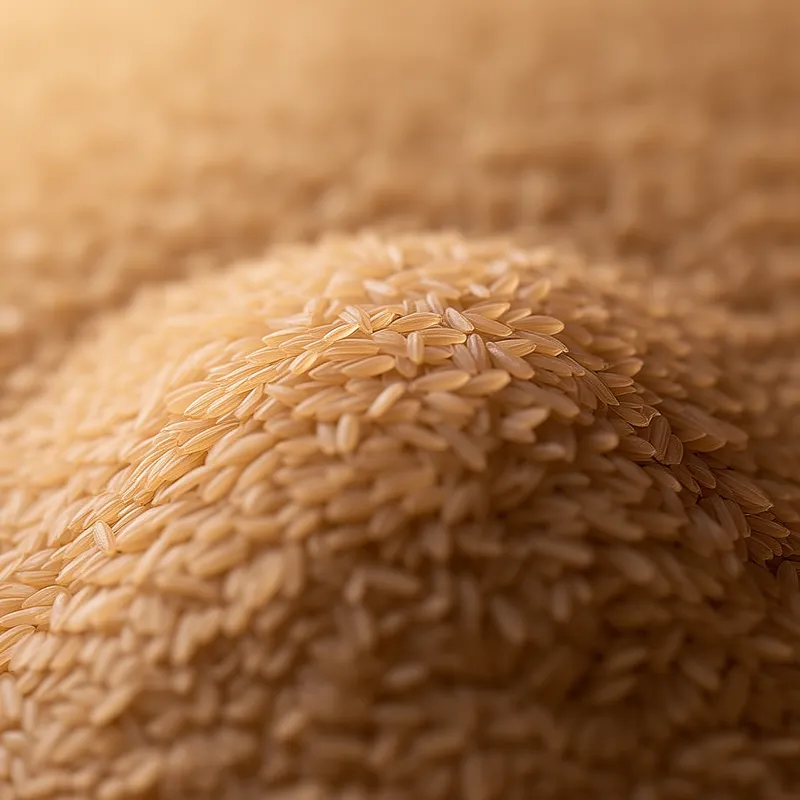 366 kcal