 438 kcal
 P 16.1g C 58.9g F 15.3g
Coconut oil is over 50% lauric acid, a rare medium-chain triglyceride that metabolizes more like a carbohydrate than a typical dietary fat.
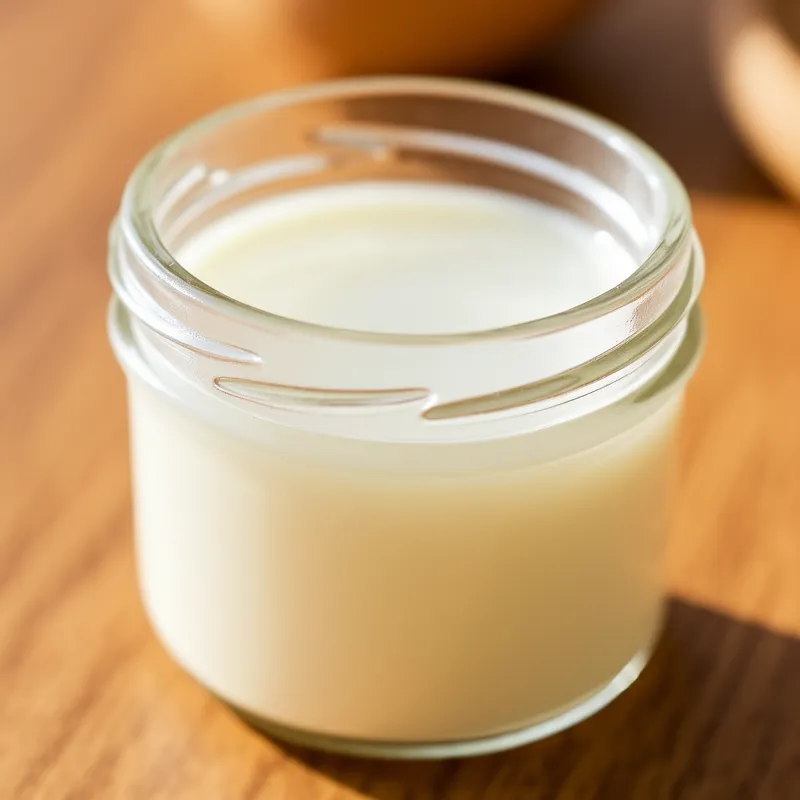
Coconut oil's solid state at room temperature often leads to confusion with animal fats, but its saturated fat structure is fundamentally different. Unlike the long-chain fatty acids prevalent in butter or lard, coconut oil is predominantly composed of medium-chain triglycerides (MCTs), specifically lauric acid. Because of their shorter chain length, MCTs are absorbed directly into the portal vein and transported to the liver, bypassing the lymphatic system required for long-chain fats. This unique metabolic pathway means the body can rapidly oxidize them for energy rather than storing them as adipose tissue. Historically, this distinct chemistry made coconut oil a crucial component in the development of intravenous fat emulsions for patients unable to consume food orally, though it has largely been replaced by other oils in modern medical settings. Additionally, the high saturated fat content makes it highly resistant to oxidative rancidity, giving it a shelf life of up to several years without refrigeration—a trait that made it invaluable for tropical and maritime trade routes long before modern preservatives existed.
Coconut oil is solid below 76°F, making it an excellent vegan substitute for butter in baking and pie crusts where solid fat is needed for flakiness. For stovetop cooking, use refined coconut oil, which has a neutral flavor and higher smoke point, whereas unrefined (virgin) oil imparts a distinct coconut taste best reserved for curries, tropical desserts, or granola. Store it in a cool, dark place; it requires no refrigeration and will liquefy and solidify as ambient temperatures fluctuate without degrading.
Per 100g — daily values based on a 2,000 calorie diet
CalRay's AI recognizes oil and hundreds of thousands of other foods from a photo. No manual lookup needed.
Oil, coconut contains 833 calories per 100g. A standard serving of 1 tablespoon (11.6g) provides 97 calories. It is relatively calorie-dense, so portion control is important.
Oil, coconut provides 0g of protein per 100g, which is 0% of the 50g daily recommended value. It is not a primary protein source.
Oil, coconut contains 0.84g of carbohydrates per 100g .
Oil, coconut has 833 kcal per 100g, so portions need to be monitored on a weight-loss diet. Use CalRay to track your intake accurately.
The easiest way to track oil is with CalRay. Simply snap a photo of your meal and the AI will automatically identify the food and calculate calories and macros based on the estimated portion size — no manual lookup required. You can also search by name and adjust gram weight manually.
438 kcal  146 kcal
  382 kcal