 148 kcal
 P 12.4g C 0.96g F 9.96g
Coconut flour absorbs drastically more liquid than wheat flour, making it a baking wildcard rather than a 1:1 substitute.
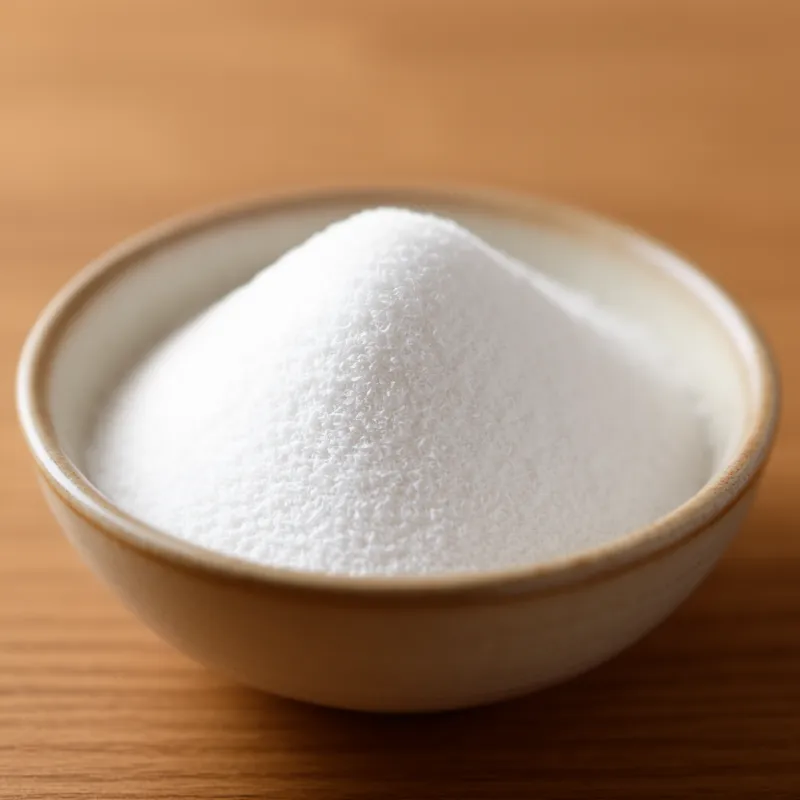
Coconut flour is a byproduct of coconut milk production. After the meat is pressed to extract the milk, the remaining defatted coconut cake is dried and ground into a fine powder. Unlike almond flour, which retains the nut's natural fats, coconut flour is relatively low in fat and exceptionally high in fiber, which often comprises over 40% of its total carbohydrate weight. This unique composition fundamentally changes how it behaves in baking. The high fiber content acts like a sponge, absorbing massive amounts of liquid. This is why recipes using coconut flour require significantly more eggs and liquid binders than traditional wheat flour recipes; without them, the final baked good would be dry and crumbly. Furthermore, because it contains no gluten, it relies entirely on eggs or alternative binders to provide structure and lift. Its distinct sweet, nutty flavor also means it does not seamlessly disappear into all recipes, working best in inherently sweet or tropical-flavored baked goods.
When baking with coconut flour, never substitute it 1:1 for wheat flour; use roughly one-quarter to one-third the amount. Always pair it with extra eggs or a binder like flaxseed to provide structure, and increase the liquid in your recipe to compensate for its massive absorption rate. Store it in an airtight container in a cool, dark place, or refrigerate it to prevent the natural residual oils from going rancid. It pairs exceptionally well with tropical fruits or rich, moist ingredients that balance its dryness.
Per 100g — daily values based on a 2,000 calorie diet
CalRay's AI recognizes flour and hundreds of thousands of other foods from a photo. No manual lookup needed.
Flour, coconut contains 438 calories per 100g. A standard serving of 1 RACC (15g) provides 66 calories. It is relatively calorie-dense, so portion control is important.
Flour, coconut provides 16.1g of protein per 100g, which is 32% of the 50g daily recommended value. It is a good source of protein.
Flour, coconut contains 58.9g of carbohydrates per 100g . It also provides 34.2g of dietary fiber.
Flour, coconut has 438 kcal per 100g, so portions need to be monitored on a weight-loss diet. Use CalRay to track your intake accurately. Its high protein content (16.1g/100g) helps with satiety. Its fiber content (34.2g/100g) also promotes fullness.
The easiest way to track flour is with CalRay. Simply snap a photo of your meal and the AI will automatically identify the food and calculate calories and macros based on the estimated portion size — no manual lookup required. You can also search by name and adjust gram weight manually.
148 kcal  545 kcal
  97 kcal