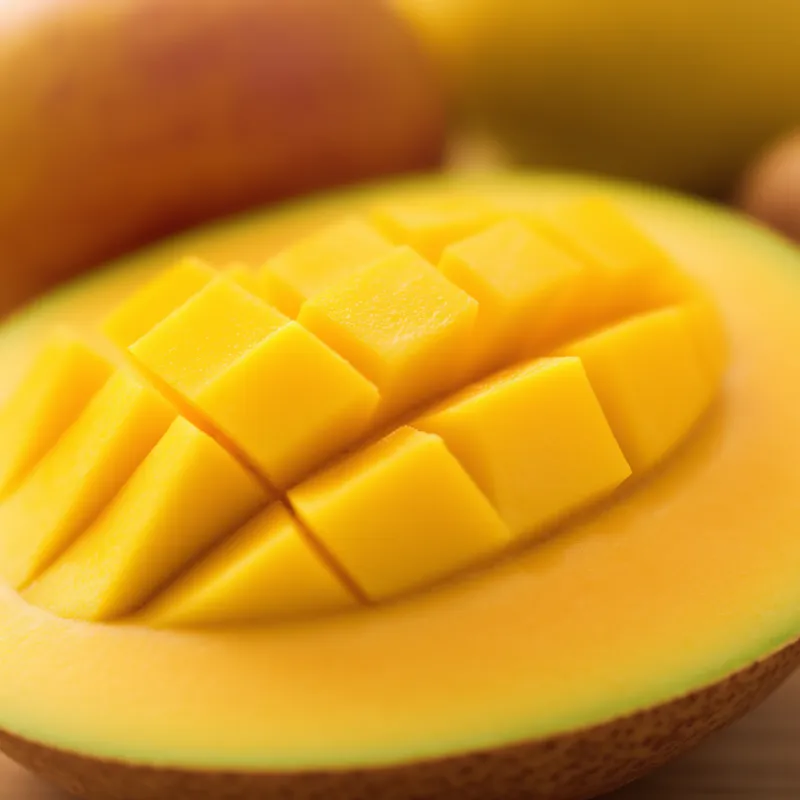
 78 kcal
 P 0.69g C 17.4g F 0.68g
Mahi mahi is a dolphinfish with no relation to the mammal, and it dramatically changes color when it dies.
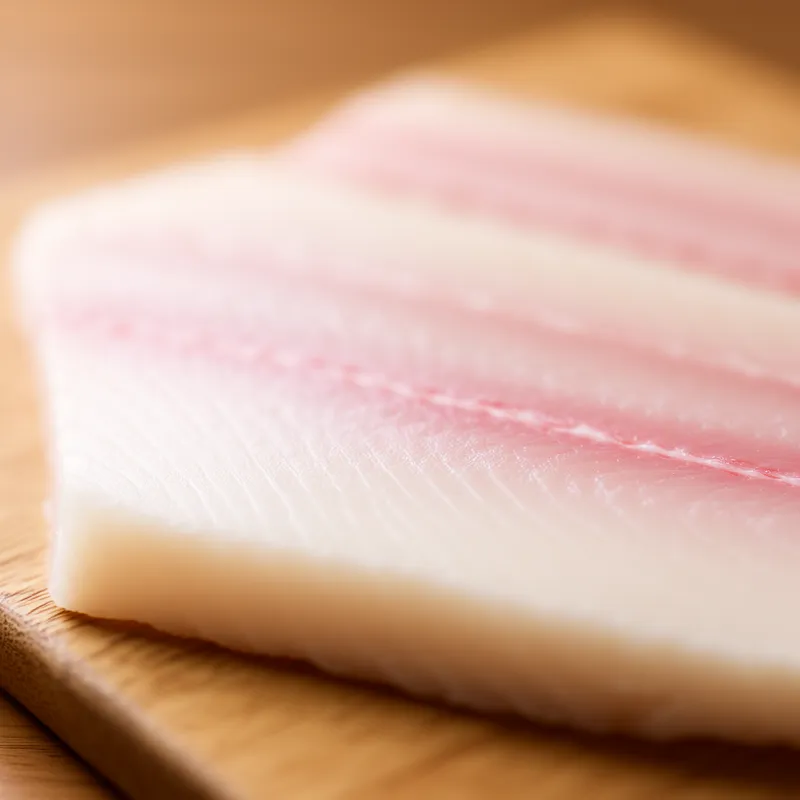
Mahi mahi (Coryphaena hippurus) is commonly known as the dolphinfish, though it has no relation to the marine mammal. The name "mahi mahi" comes from Hawaiian, meaning "very strong," a fitting description for a fish renowned for its speed and fighting ability. One of its most fascinating biological traits is its coloration. While alive, mahi mahi display brilliant iridescent blues, greens, and yellows, which they can rapidly change by manipulating pigment cells called chromatophores. However, upon death, these vibrant colors quickly fade to a dull, muted grayish-yellow. They are incredibly fast-growing fish, capable of reaching up to 40 pounds in less than a year, and they rarely live longer than five years. This rapid growth rate makes them highly resilient to fishing pressure compared to slower-maturing species like tuna or swordfish. They are also carnivorous surface dwellers that aggregate under floating objects like seaweed or debris, using these structures as hunting grounds for smaller fish and squid. Their preference for warm, tropical and subtropical waters around the globe makes them a staple in coastal cuisines from Hawaii to the Caribbean. Because they are lean and have a firm texture, they hold up exceptionally well to high-heat cooking methods like grilling and blackening.
Mahi mahi's firm texture and lean profile make it ideal for grilling, blackening, or pan-searing without falling apart. Because it is so low in fat, avoid overcooking, which will dry it out quickly; cook just until the flesh flakes easily. Marinate it briefly in citrus and herbs to add moisture without overpowering its mild, sweet flavor. Pair it with healthy fat sources like avocado or antioxidant-rich sides like mango salsa to complement its tropical origins, and store fresh fillets on ice for no more than two days.
Per 100g — daily values based on a 2,000 calorie diet
CalRay's AI recognizes mahi mahi and hundreds of thousands of other foods from a photo. No manual lookup needed.
Mahi mahi contains 84 calories per 100g. It is a moderate-calorie food that can fit into most healthy diets.
Mahi mahi provides 19.8g of protein per 100g, which is 40% of the 50g daily recommended value. It is a good source of protein.
Mahi mahi contains 0.29g of carbohydrates per 100g .
Mahi mahi has 84 kcal per 100g, which is relatively moderate. It can fit into a weight-loss diet as long as portion sizes are managed. Its high protein content (19.8g/100g) helps with satiety.
The easiest way to track mahi mahi is with CalRay. Simply snap a photo of your meal and the AI will automatically identify the food and calculate calories and macros based on the estimated portion size — no manual lookup required. You can also search by name and adjust gram weight manually.
78 kcal 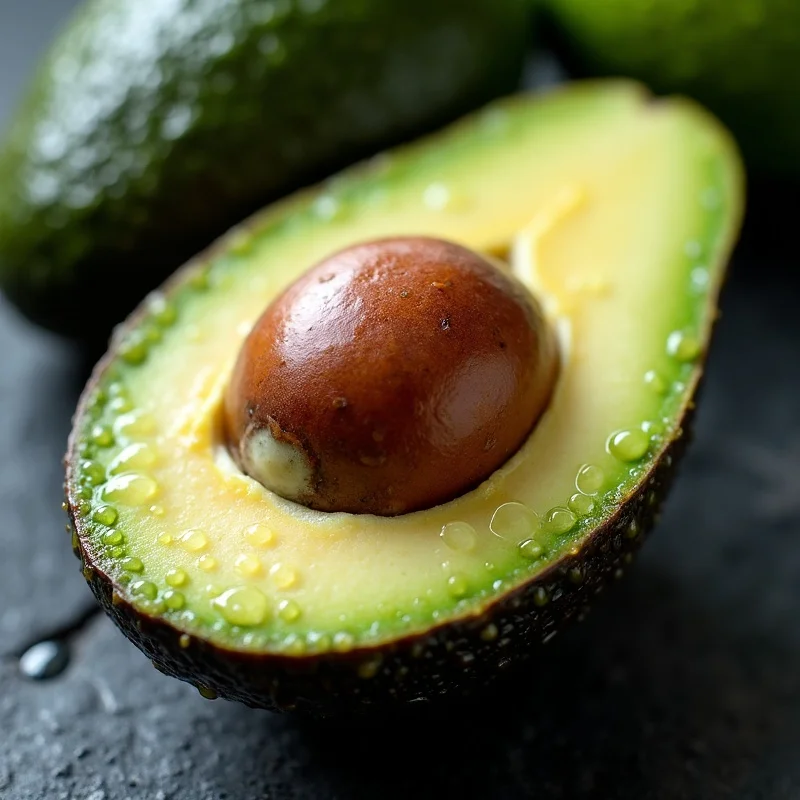 223 kcal
 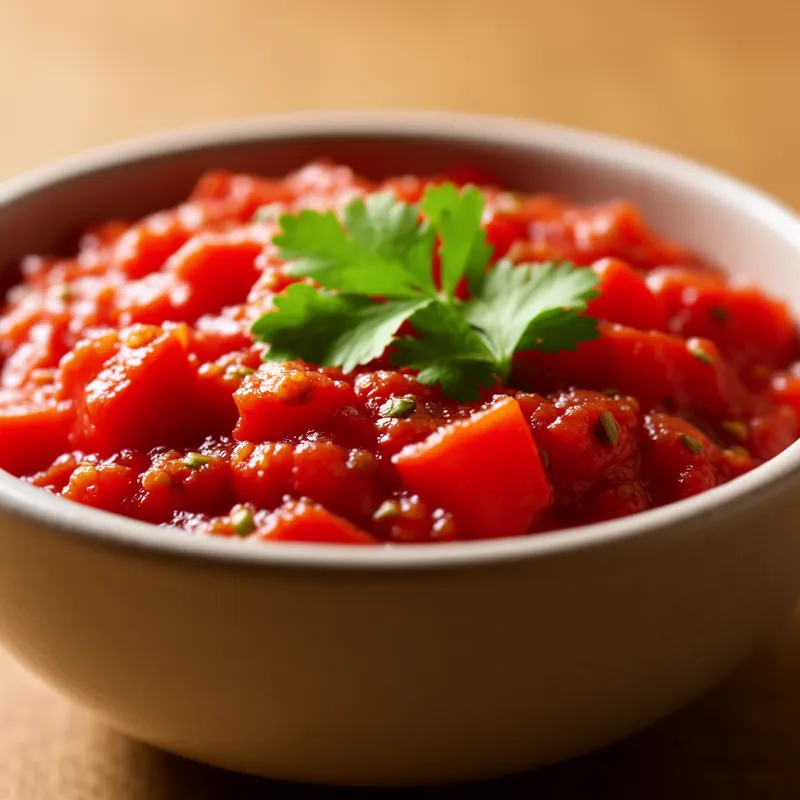 29 kcal