 148 kcal
 P 12.4g C 0.96g F 9.96g
Commercial salsa's vibrant red color comes from lycopene, a pigment that actually becomes more bioavailable after the tomatoes are cooked and processed.
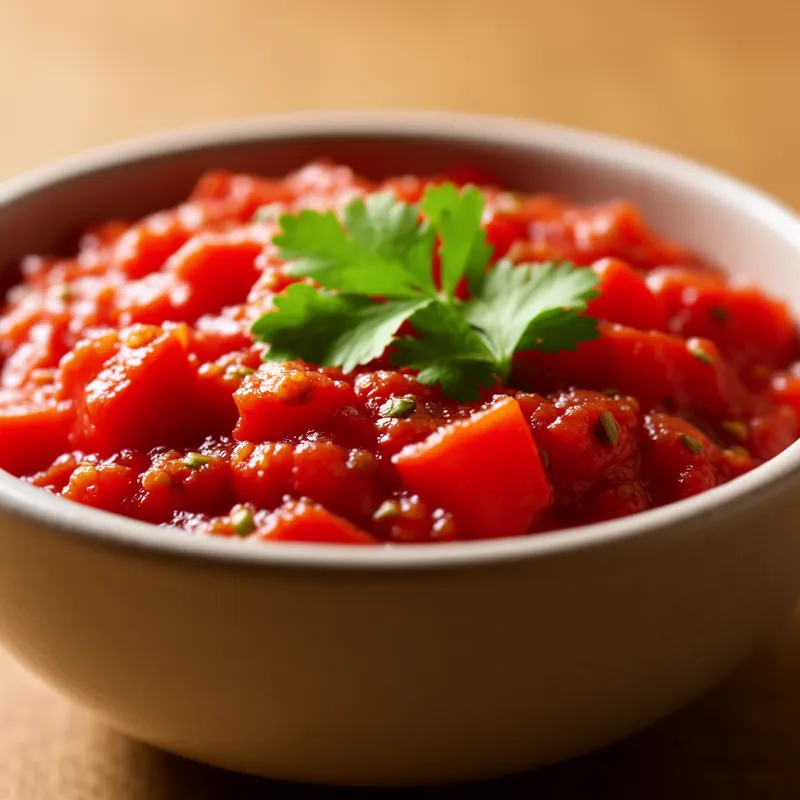
Salsa, meaning "sauce" in Spanish, has been a staple in Mesoamerican diets for centuries, traditionally made using a molcajete, a volcanic stone mortar and pestle. The Aztecs, Mayans, and Incas utilized these same chili and tomato combinations long before Spanish colonization introduced the ingredients to Europe. The modern commercial "salsa roja" relies on a specific culinary chemistry: the thermal processing of tomatoes. While raw tomatoes are nutritious, heating them breaks down the cell walls, releasing lycopene, a powerful carotenoid pigment. Unlike vitamin C, which degrades with heat, lycopene undergoes a structural transformation from a trans-isomer to a cis-isomer when heated, making it significantly easier for the human digestive system to absorb. This means ready-to-serve jarred salsas often deliver more bioavailable antioxidants than freshly chopped raw tomatoes. Additionally, the capsaicin in the jalapeños or serranos used in these sauces binds to pain receptors in the mouth, triggering the release of endorphins, which is the biological mechanism behind the mild euphoria some people experience when eating spicy foods.
Use ready-to-serve salsa as a low-calorie, high-flavor topping to replace higher-fat condiments like mayonnaise or sour cream on sandwiches and wraps. It pairs exceptionally well with lean proteins like grilled chicken breast or scrambled eggs, as the vitamin C in the tomatoes helps your body absorb the non-heme iron if you mix it with plant-based proteins like black beans. Once opened, always refrigerate the jar to slow down fermentation and preserve the crisp, acidic flavor profile.
Per 100g — daily values based on a 2,000 calorie diet
CalRay's AI recognizes sauce and hundreds of thousands of other foods from a photo. No manual lookup needed.
Sauce, salsa, ready-to-serve contains 29 calories per 100g. A standard serving of 2 tablespoon (35.7g) provides 10 calories. It is considered a very low-calorie food (under 50 kcal/100g), making it excellent for weight management.
Sauce, salsa, ready-to-serve provides 1.44g of protein per 100g, which is 3% of the 50g daily recommended value. It is not a primary protein source.
Sauce, salsa, ready-to-serve contains 6.74g of carbohydrates per 100g . It also provides 1.8g of dietary fiber.
Yes! Sauce, salsa, ready-to-serve is very low in calories (29 kcal/100g) and can be eaten in generous portions even on a calorie-restricted diet.
The easiest way to track sauce is with CalRay. Simply snap a photo of your meal and the AI will automatically identify the food and calculate calories and macros based on the estimated portion size — no manual lookup required. You can also search by name and adjust gram weight manually.
148 kcal 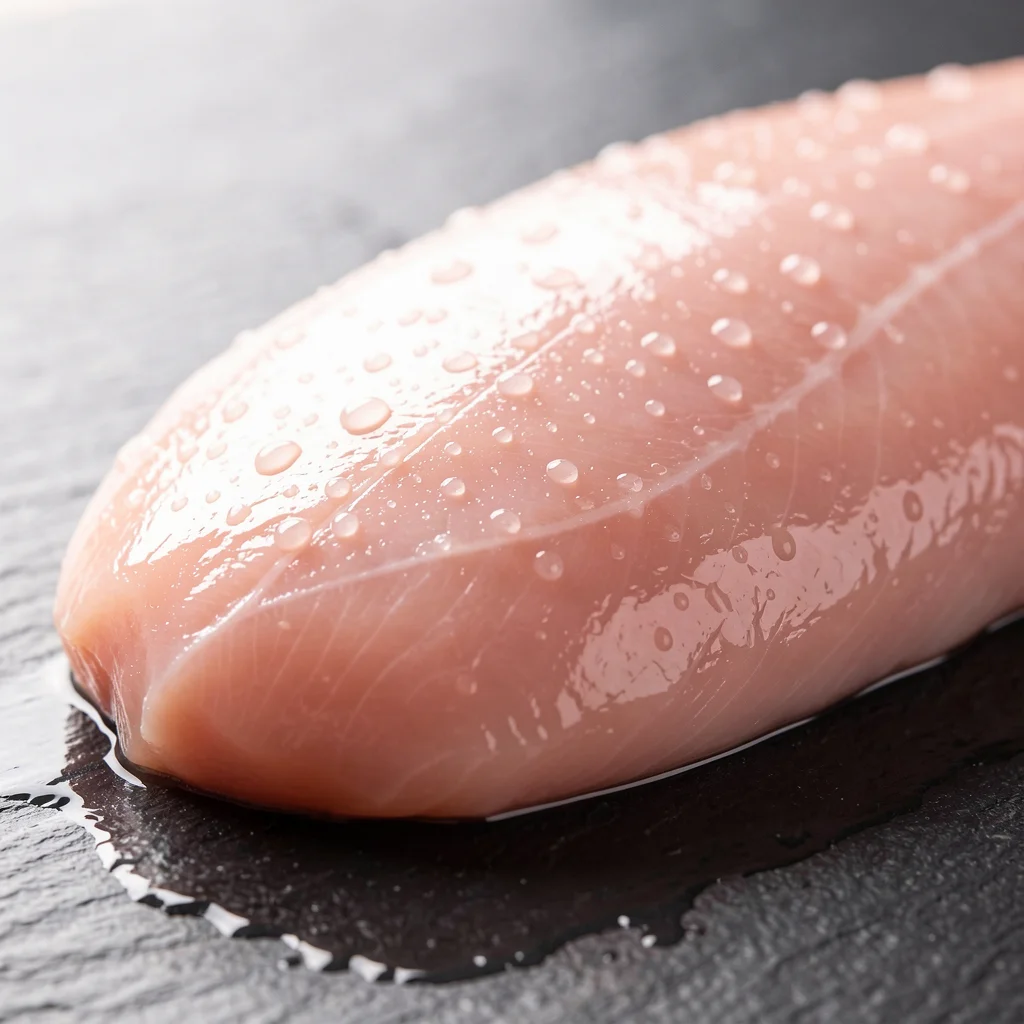 107 kcal
 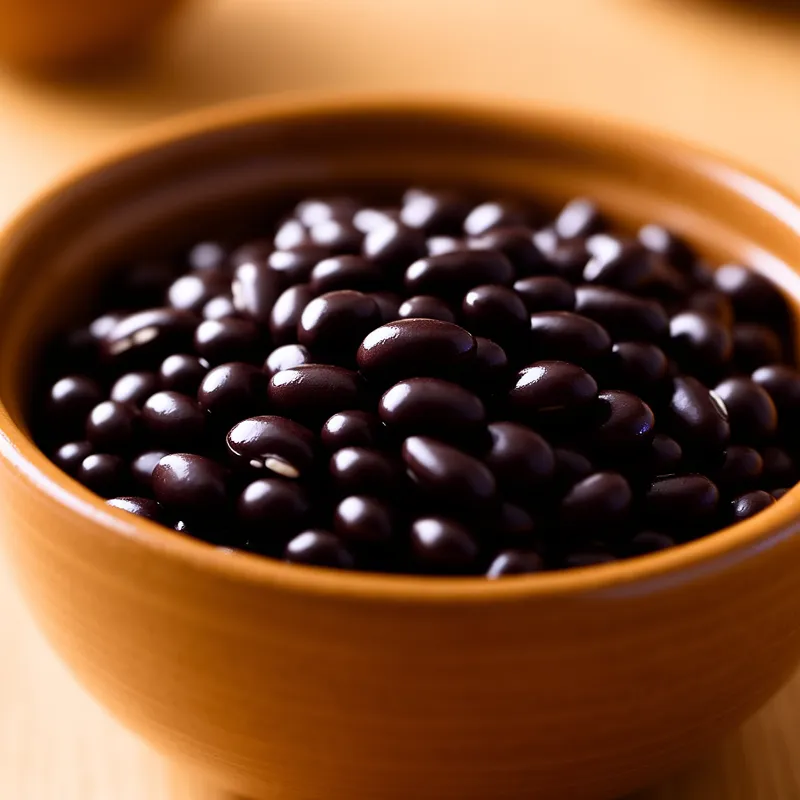 118 kcal