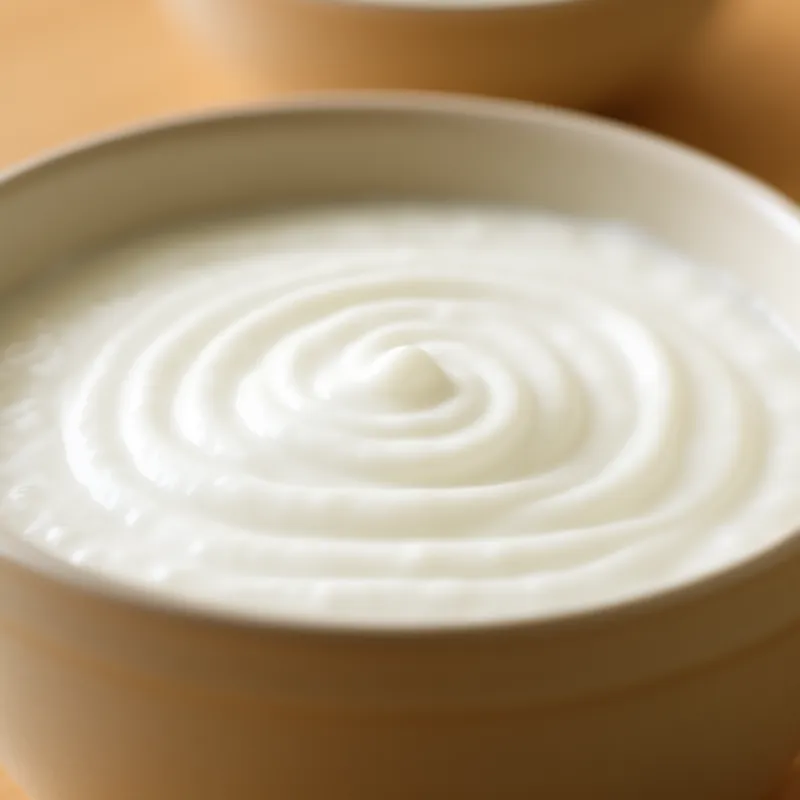
 61 kcal
 P 10.3g C 3.64g F 0.37g
The Ataulfo mango's signature buttery texture is the result of a genetic mutation that prevents the growth of tough, stringy fibers.
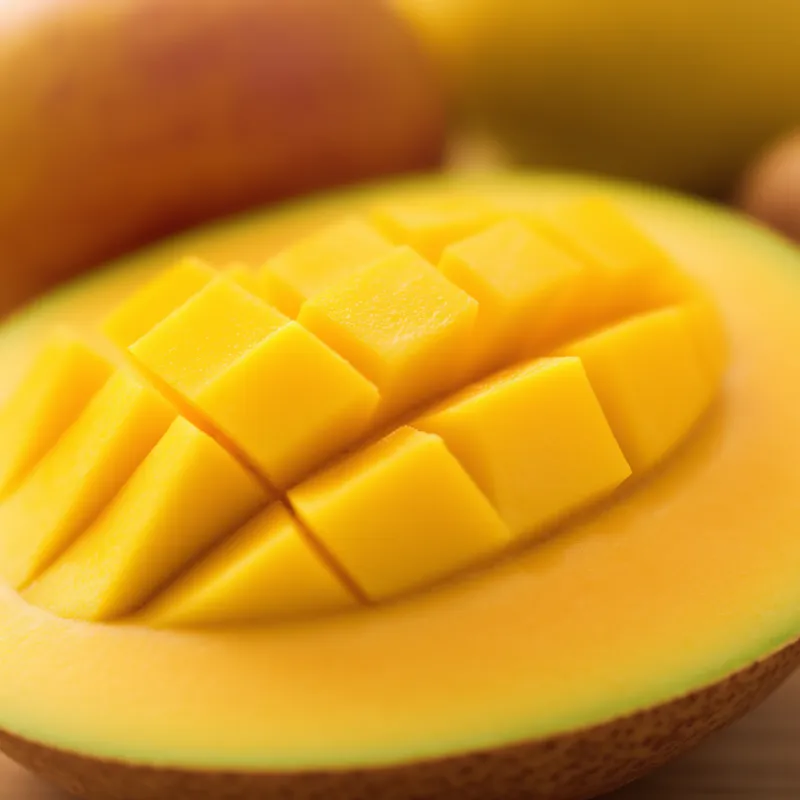
The Ataulfo mango, sometimes called the champagne mango, traces its roots to Philippine mango varieties introduced to Mexico via the Manila-Acapulco galleon trade centuries ago. However, the specific Ataulfo cultivar emerged much later through a natural seedling selection in the Soconusco region of Chiapas, Mexico. It was named after Ataulfo Morales Gordillo, the grower who first registered the variety in the mid-20th century. Unlike the more fibrous Tommy Atkins mango, the Ataulfo possesses a distinct genetic mutation that severely limits the development of lignified vascular bundles—the tough, stringy fibers that cling to the pit in other varieties. This mutation results in its signature smooth, buttery flesh. Additionally, as the fruit ripens, its high starch reserves undergo rapid enzymatic conversion into simple sugars like sucrose and fructose, while chlorophyll degrades to reveal a vibrant golden-yellow skin. This specific biochemical profile gives the Ataulfo its intensely rich, honeyed flavor and creamy texture, making it one of the most prized dessert mangoes globally.
To check for ripeness, gently squeeze the mango; it should yield slightly like a ripe peach, regardless of skin color. Store unripe Ataulfos at room temperature until they soften, then refrigerate for up to five days to halt further ripening. To prepare, slice along the flat sides of the large central pit, score the flesh in a crosshatch pattern, and scoop it out. Pair the sweet, creamy flesh with a squeeze of lime juice to balance the intense sweetness, or blend it into a smoothie with Greek yogurt for added protein and a creamy texture.
Per 100g — daily values based on a 2,000 calorie diet
CalRay's AI recognizes mango and hundreds of thousands of other foods from a photo. No manual lookup needed.
Mango, Ataulfo, peeled contains 78 calories per 100g. A standard serving of 1 RACC (140g) provides 109 calories. It is a moderate-calorie food that can fit into most healthy diets.
Mango, Ataulfo, peeled provides 0.69g of protein per 100g, which is 1% of the 50g daily recommended value. It is not a primary protein source.
Mango, Ataulfo, peeled contains 17.4g of carbohydrates per 100g . It also provides 1.29g of dietary fiber.
Mango, Ataulfo, peeled has 78 kcal per 100g, which is relatively moderate. It can fit into a weight-loss diet as long as portion sizes are managed.
The easiest way to track mango is with CalRay. Simply snap a photo of your meal and the AI will automatically identify the food and calculate calories and macros based on the estimated portion size — no manual lookup required. You can also search by name and adjust gram weight manually.
61 kcal 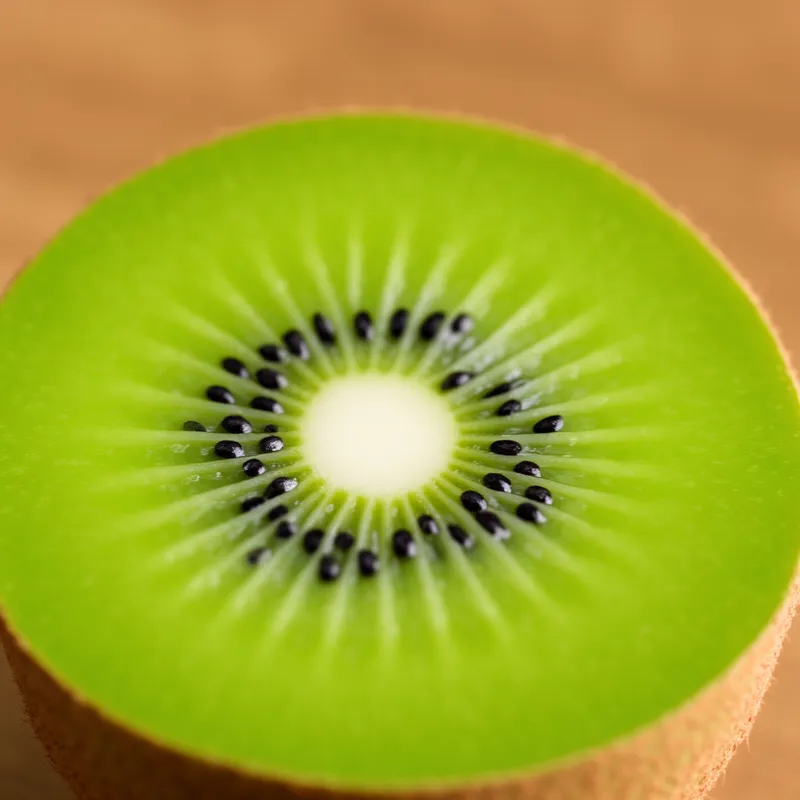 58 kcal
 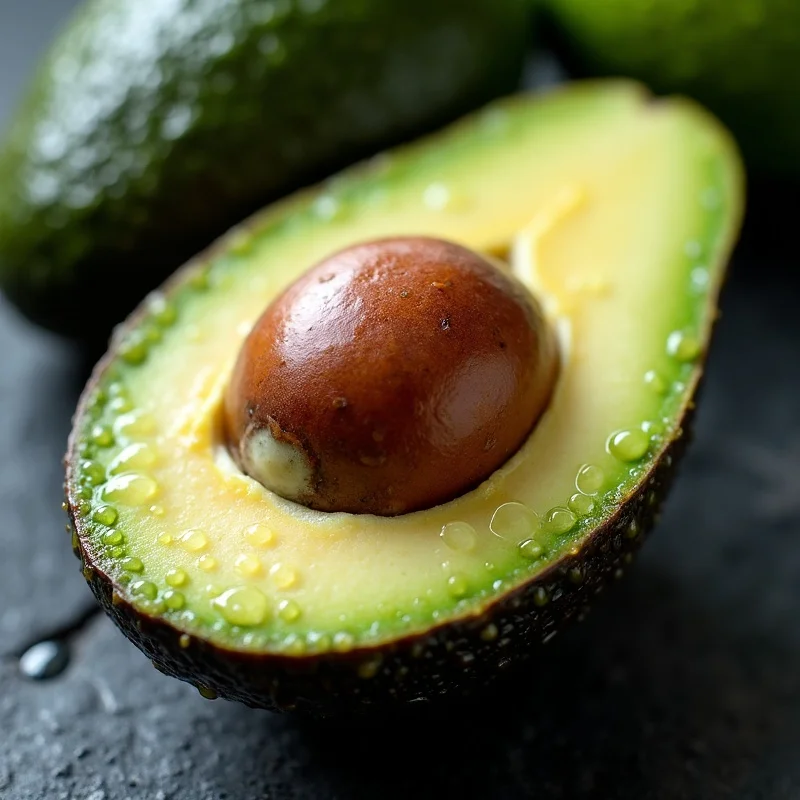 223 kcal