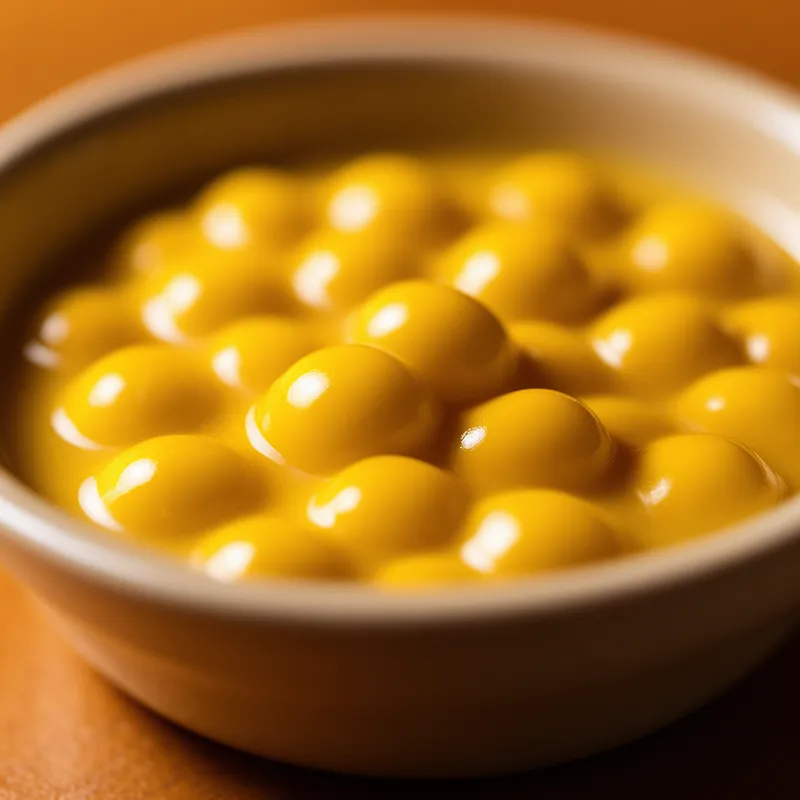
 61 kcal
 P 4.25g C 5.3g F 3.38g
Restaurant sliced ham packs nearly 20g of protein per 100g with less fat than a chicken thigh—but its signature pink color is pure chemistry, not cooking.
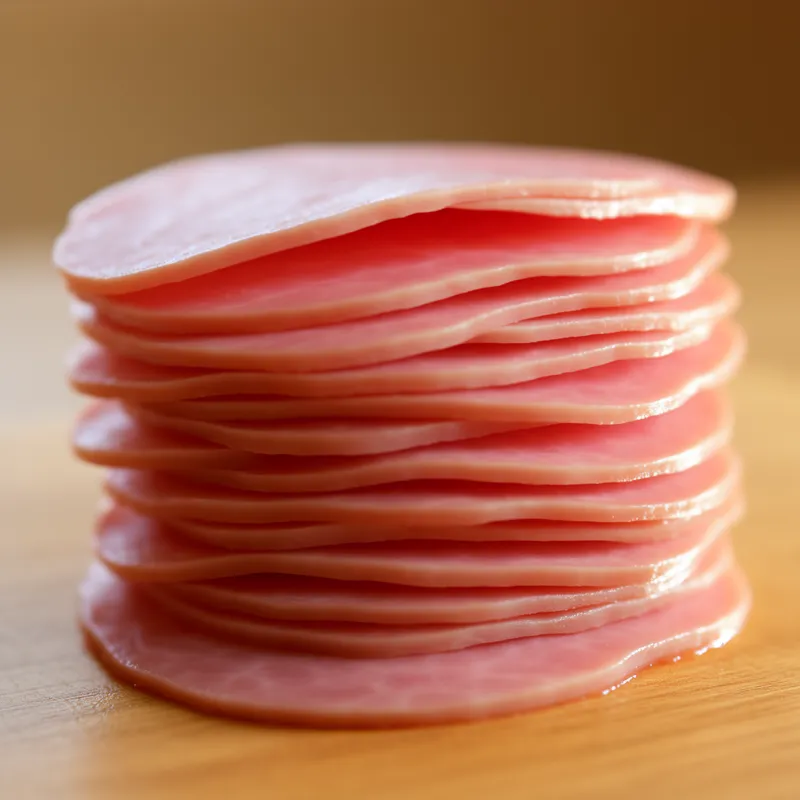
The familiar pink color of sliced ham has nothing to do with the cooking process itself and everything to do with curing chemistry. When sodium nitrite is added during curing, it is reduced to nitric oxide, which binds to the iron atom in myoglobin—the same oxygen-carrying pigment that gives raw meat its red hue. This creates nitrosylmyoglobin, which during cooking converts to a stable pink pigment called nitrosylhemochrome. Without nitrites, cooked pork would turn a dull grayish-brown, which is exactly what happens with uncured 'fresh' ham. This reaction also inhibits growth of Clostridium botulinum spores, the reason nitrites were originally adopted in meat curing long before color was a consideration. Restaurant sliced ham is typically sourced from the pork hind leg, one of the leanest primal cuts, which explains its relatively low fat content of 3.68g per 100g. The thin slicing practiced in foodservice also increases perceived saltiness, as more surface area exposes more taste receptors to sodium from the curing brine.
Because restaurant sliced ham is fully cooked, it can be eaten cold straight from refrigeration or briefly warmed. To balance its sodium density, pair it with potassium-rich vegetables like tomatoes or spinach, which help offset sodium's effect on blood pressure. Avoid additional salting when cooking with ham, as the curing brine already provides significant seasoning. For sandwiches, mustard adds flavor without extra sodium the way cheese would. Store sliced ham at 40°F or below and consume within 3–5 days of opening, as its salt content slows but does not stop bacterial growth.
Per 100g — daily values based on a 2,000 calorie diet
CalRay's AI recognizes ham and hundreds of thousands of other foods from a photo. No manual lookup needed.
Ham, sliced, restaurant contains 121 calories per 100g. A standard serving of 1 slice (16.2g) provides 20 calories. It is a moderate-calorie food that can fit into most healthy diets.
Ham, sliced, restaurant provides 19.6g of protein per 100g, which is 39% of the 50g daily recommended value. It is a good source of protein.
Ham, sliced, restaurant contains 2.36g of carbohydrates per 100g .
Ham, sliced, restaurant has 121 kcal per 100g, which is relatively moderate. It can fit into a weight-loss diet as long as portion sizes are managed. Its high protein content (19.6g/100g) helps with satiety.
The easiest way to track ham is with CalRay. Simply snap a photo of your meal and the AI will automatically identify the food and calculate calories and macros based on the estimated portion size — no manual lookup required. You can also search by name and adjust gram weight manually.
61 kcal 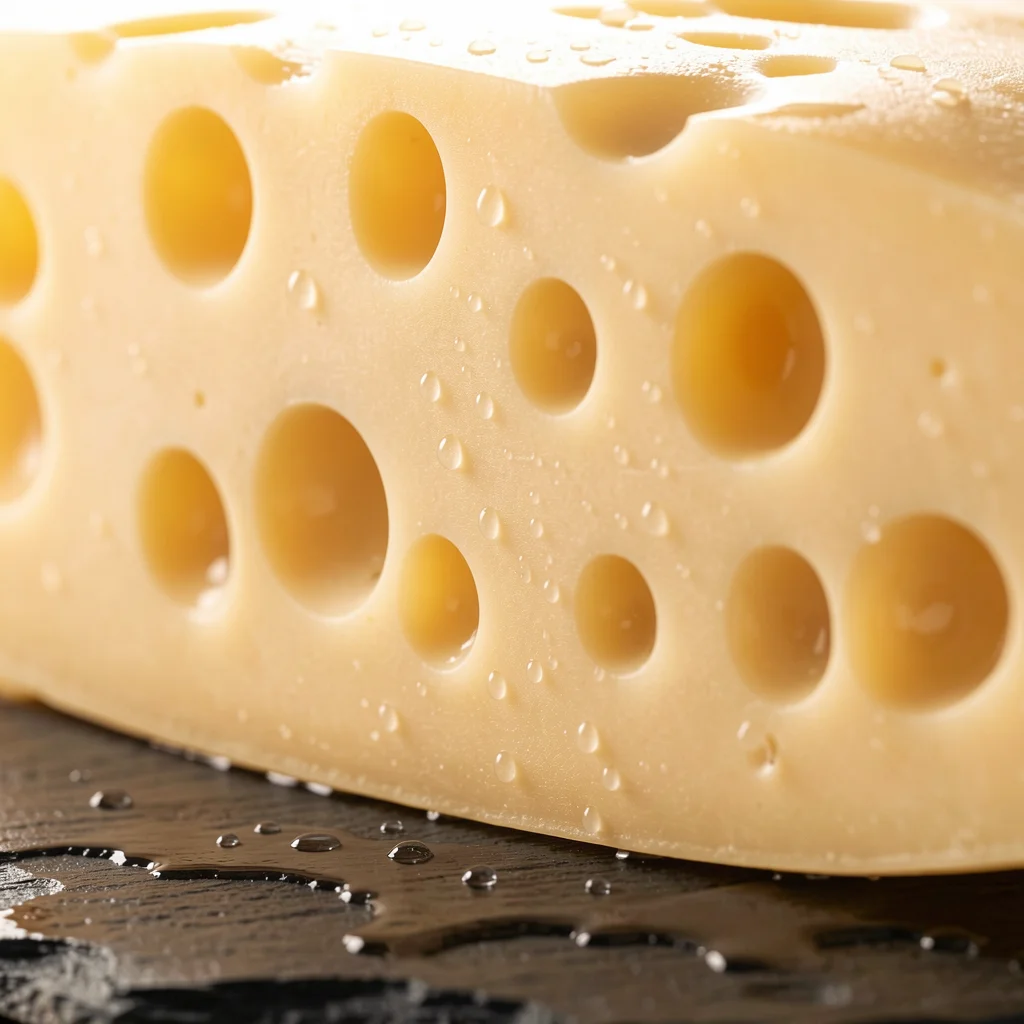 393 kcal
 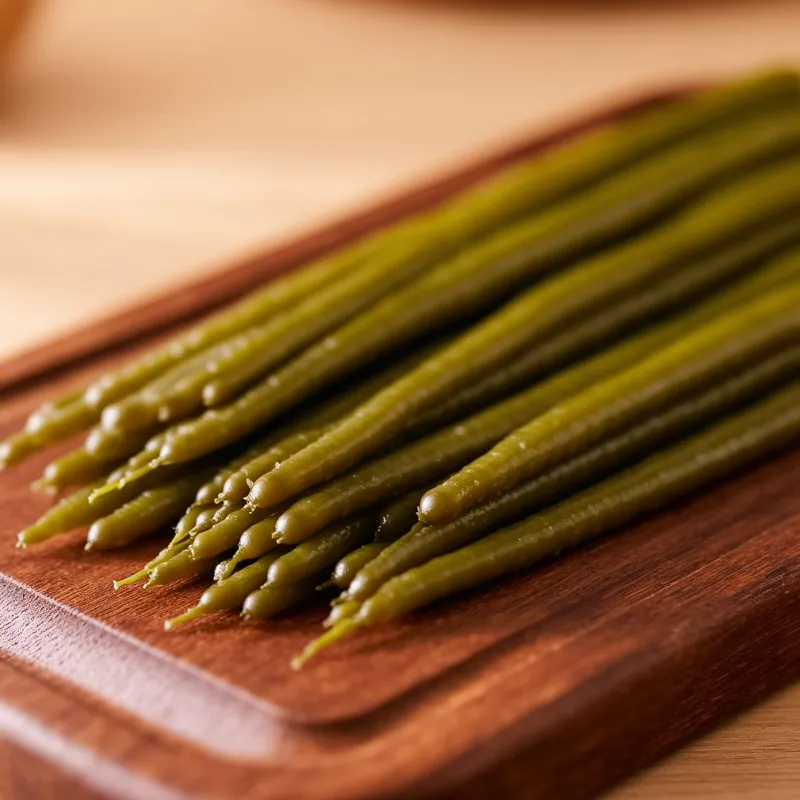 12 kcal