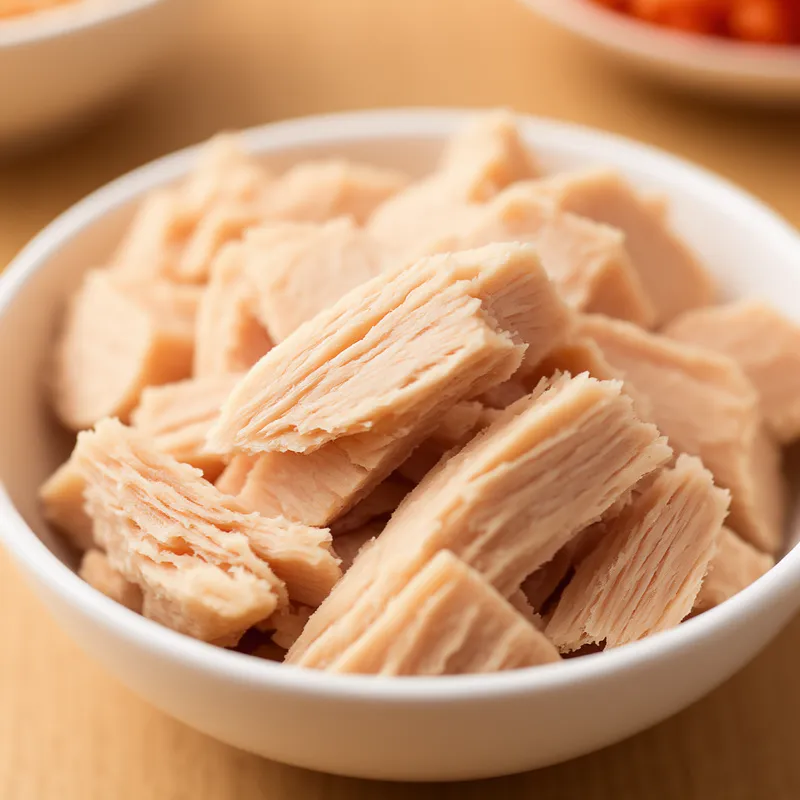
 90 kcal
 P 19g C 0.08g F 0.94g
Technically a berry, chemically a probiotic, and historically defined by garlic.
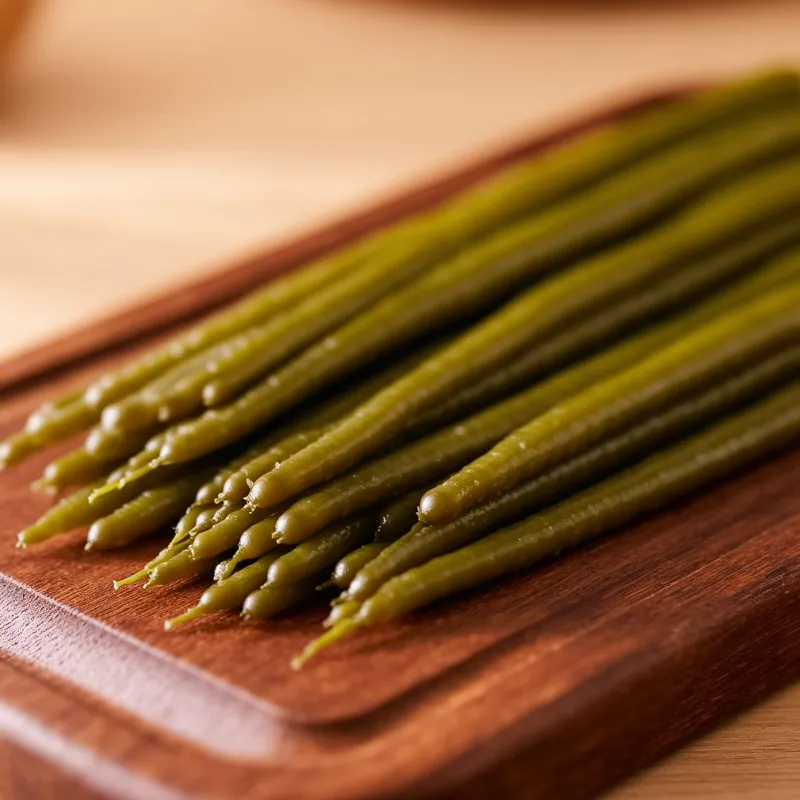
Dill pickles rely on a fascinating intersection of botany and chemistry. Botanically, cucumbers are fruits—specifically, pepos, a type of berry with a hard outer rind and fleshy interior. When transformed into a dill pickle, the method dictates its chemistry. True fermented dill pickles rely on Lactobacillus bacteria converting sugars into lactic acid, lowering the pH enough to preserve the cucumber while creating a cloudy, tangy brine rich in live probiotics. Conversely, commercial vinegar pickles skip fermentation, using acetic acid to rapidly acidify the vegetable, which kills bacteria but also destroys any potential probiotic benefits. The term "kosher dill" doesn't strictly refer to Jewish dietary law; it historically denotes the New York Jewish tradition of adding garlic to the brine. To maintain the signature crunch, traditional makers add tannin-rich grape or oak leaves to the jar. Tannins inhibit pectinase, the enzyme naturally present in cucumbers that would otherwise break down cell walls and turn the pickle mushy.
Because dill pickles are extremely low in calories (12 kcal per 100g) but very high in sodium, they work best as a flavoring agent rather than a bulk vegetable. Chop them finely to add sharp acidity and salt to tuna salad, potato salad, or yogurt-based dressings, reducing the need for added salt. If you want the probiotic benefits of lactic acid fermentation, look for refrigerated pickles with a cloudy brine and no vinegar on the ingredient list; shelf-stable jars are pasteurized and lack live cultures.
Per 100g — daily values based on a 2,000 calorie diet
CalRay's AI recognizes pickles and hundreds of thousands of other foods from a photo. No manual lookup needed.
Pickles, cucumber, dill or kosher dill contains 12 calories per 100g. A standard serving of 1 spear (40.4g) provides 5 calories. It is considered a very low-calorie food (under 50 kcal/100g), making it excellent for weight management.
Pickles, cucumber, dill or kosher dill provides 0.48g of protein per 100g, which is 1% of the 50g daily recommended value. It is not a primary protein source.
Pickles, cucumber, dill or kosher dill contains 1.99g of carbohydrates per 100g . It also provides 1g of dietary fiber.
Yes! Pickles, cucumber, dill or kosher dill is very low in calories (12 kcal/100g) and can be eaten in generous portions even on a calorie-restricted diet.
The easiest way to track pickles is with CalRay. Simply snap a photo of your meal and the AI will automatically identify the food and calculate calories and macros based on the estimated portion size — no manual lookup required. You can also search by name and adjust gram weight manually.
90 kcal 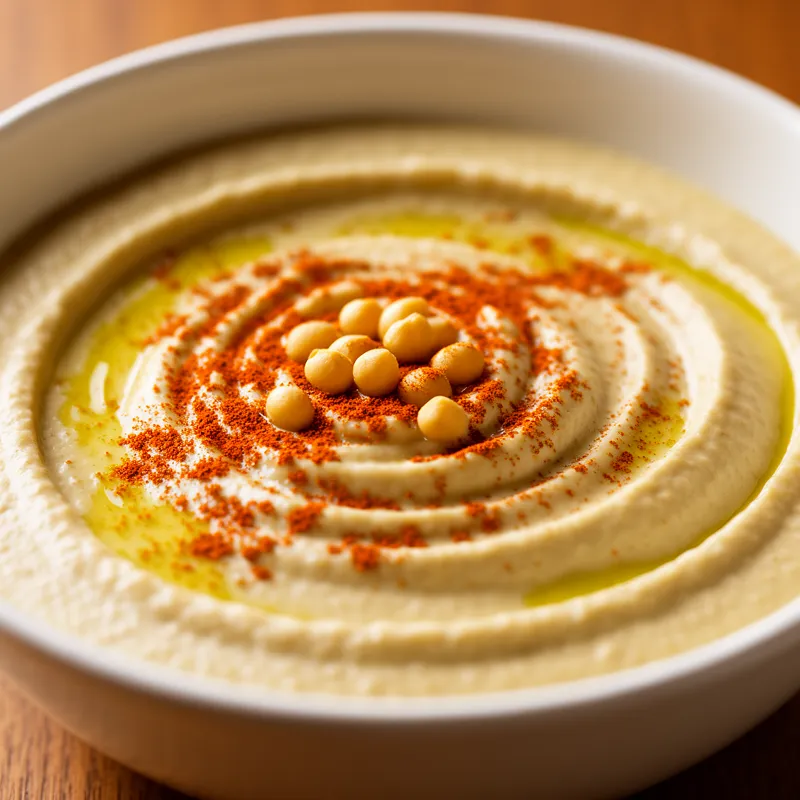 229 kcal
 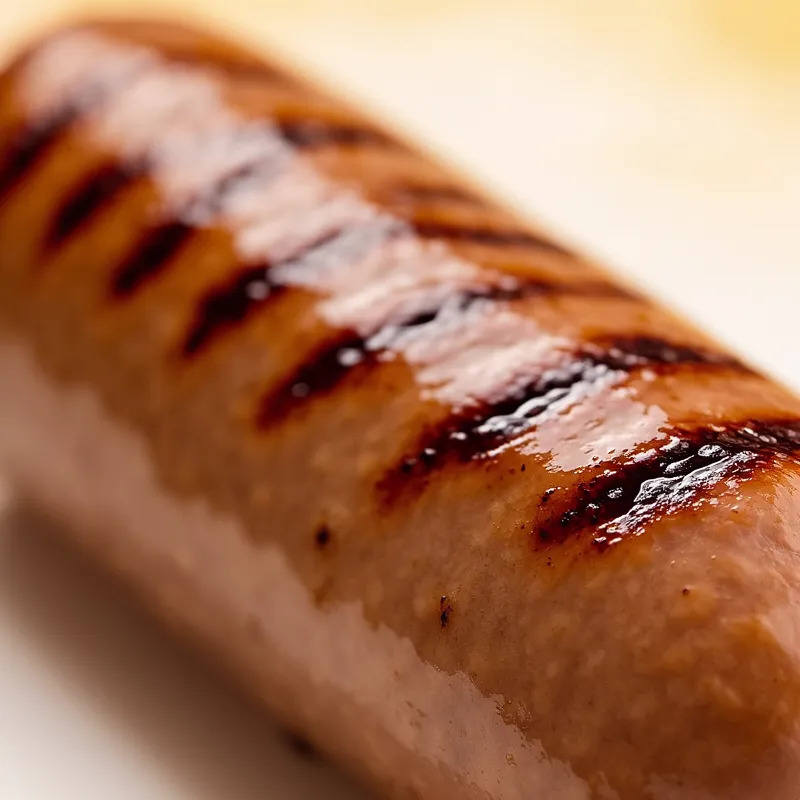 314 kcal