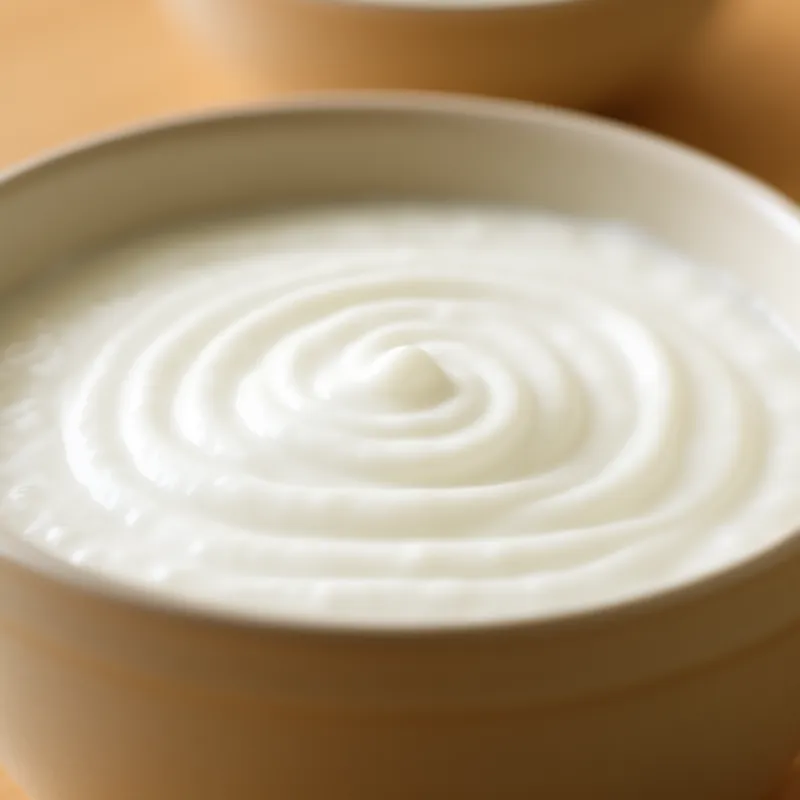
 61 kcal
 P 10.3g C 3.64g F 0.37g
Canned light tuna is usually skipjack, a species lacking a swim bladder that must swim continuously to avoid sinking.
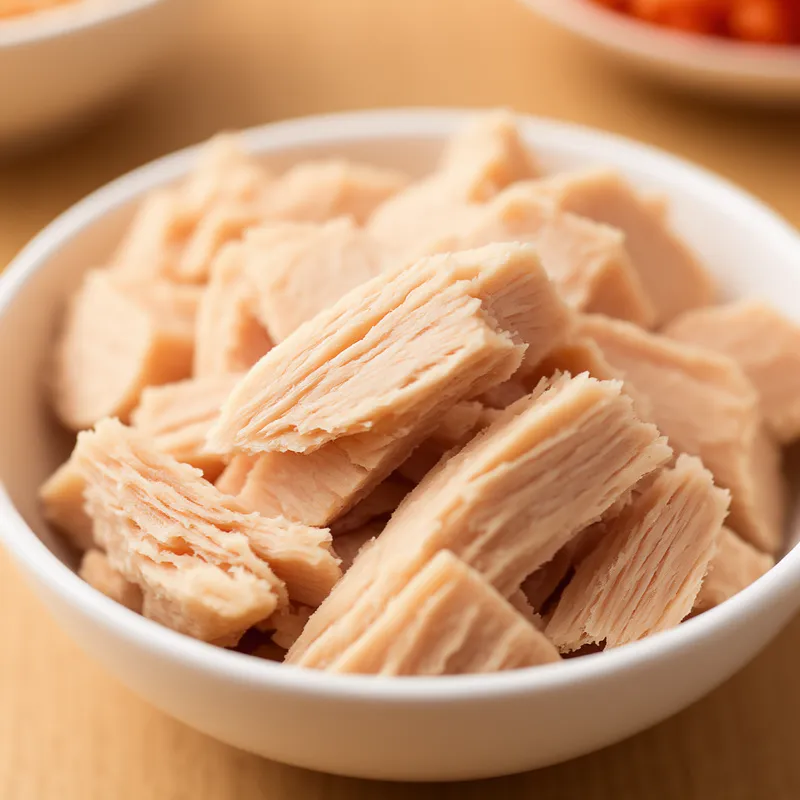
Skipjack tuna (Katsuwonus pelamis), the primary species sold as canned light tuna, lacks a swim bladder, meaning it must constantly swim forward to maintain buoyancy and oxygenate its gills. This perpetual motion shapes its physiology: the muscle fibers are densely packed with myoglobin to sustain aerobic activity, giving the meat its characteristic pinkish-tan color. Because skipjack grow rapidly and reach maturity in about a year, they accumulate less methylmercury in their tissues than longer-lived apex predators like albacore or bluefin. This biological difference is why public health organizations often recommend canned light tuna over white tuna for frequent seafood consumers and children. During the commercial canning process, the fish is cooked once, then cleaned of skin and bones, and packed into cans with water or oil before a second cooking step sterilizes the final product. This retort cooking alters the protein structure, making it flaky while preserving the vast majority of its omega-3 fatty acids and selenium.
Canned light tuna is fully cooked during the canning process and is ready to eat straight from the tin. For optimal food safety and quality, drain the liquid and flake the fish with a fork. Because it is naturally lean and low in fat, pairing it with a source of healthy fats like olive oil helps absorb its fat-soluble vitamins. Mix it with Greek yogurt instead of mayonnaise to boost protein while keeping the calorie count low, and add diced celery for crunch and fiber.
Per 100g — daily values based on a 2,000 calorie diet
CalRay's AI recognizes fish tuna and hundreds of thousands of other foods from a photo. No manual lookup needed.
Fish tuna, light contains 90 calories per 100g. A standard serving of 1 can (142g) provides 128 calories. It is a moderate-calorie food that can fit into most healthy diets.
Fish tuna, light provides 19g of protein per 100g, which is 38% of the 50g daily recommended value. It is a good source of protein.
Fish tuna, light contains 0.08g of carbohydrates per 100g .
Fish tuna, light has 90 kcal per 100g, which is relatively moderate. It can fit into a weight-loss diet as long as portion sizes are managed. Its high protein content (19g/100g) helps with satiety.
The easiest way to track fish tuna is with CalRay. Simply snap a photo of your meal and the AI will automatically identify the food and calculate calories and macros based on the estimated portion size — no manual lookup required. You can also search by name and adjust gram weight manually.
61 kcal 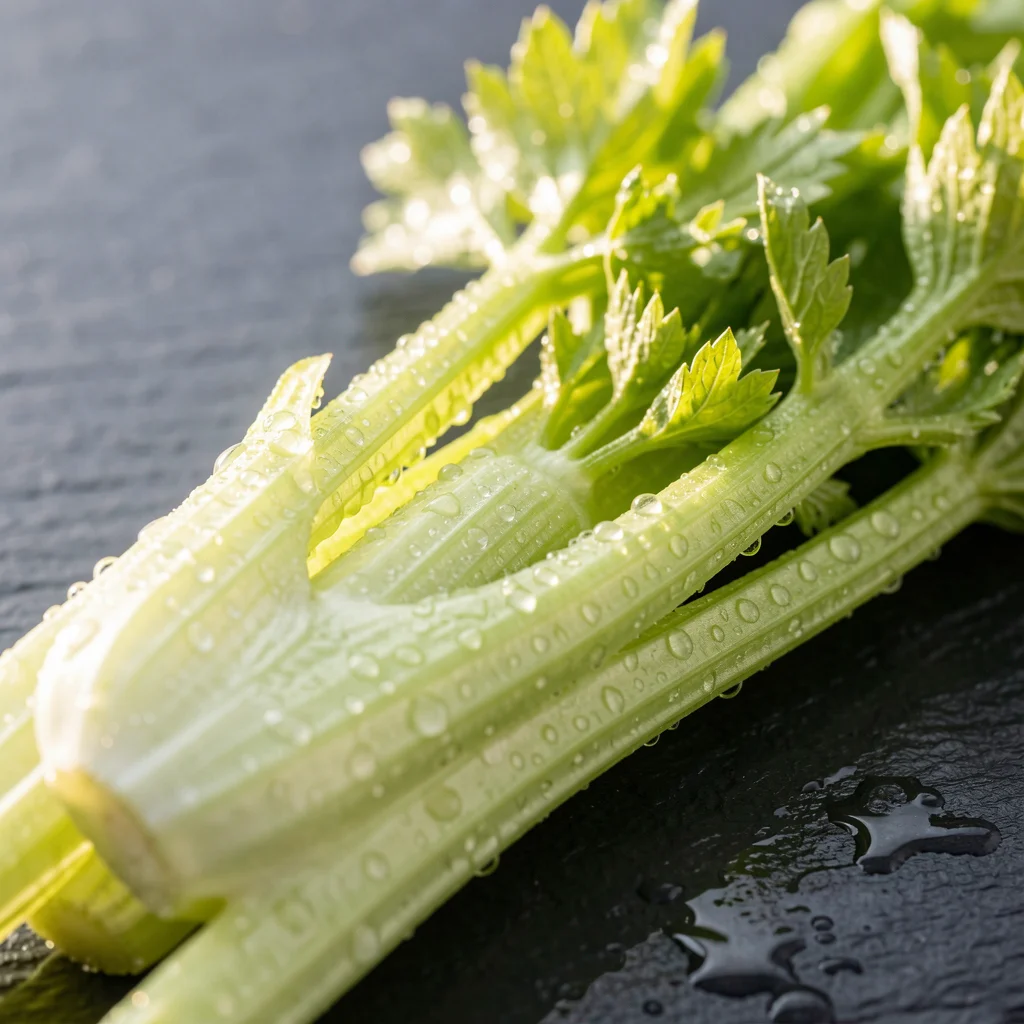 17 kcal
 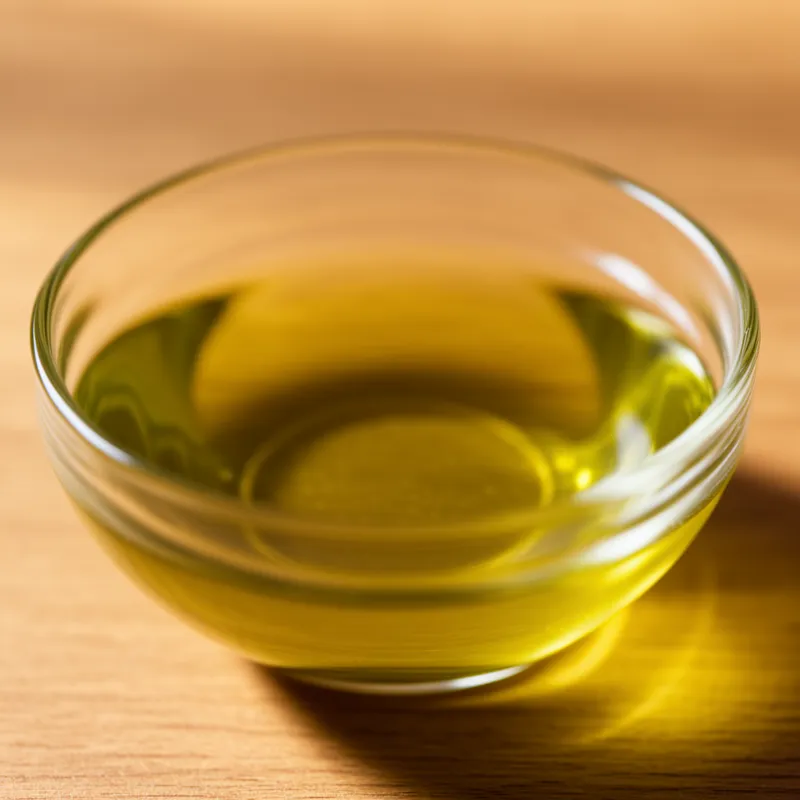 884 kcal