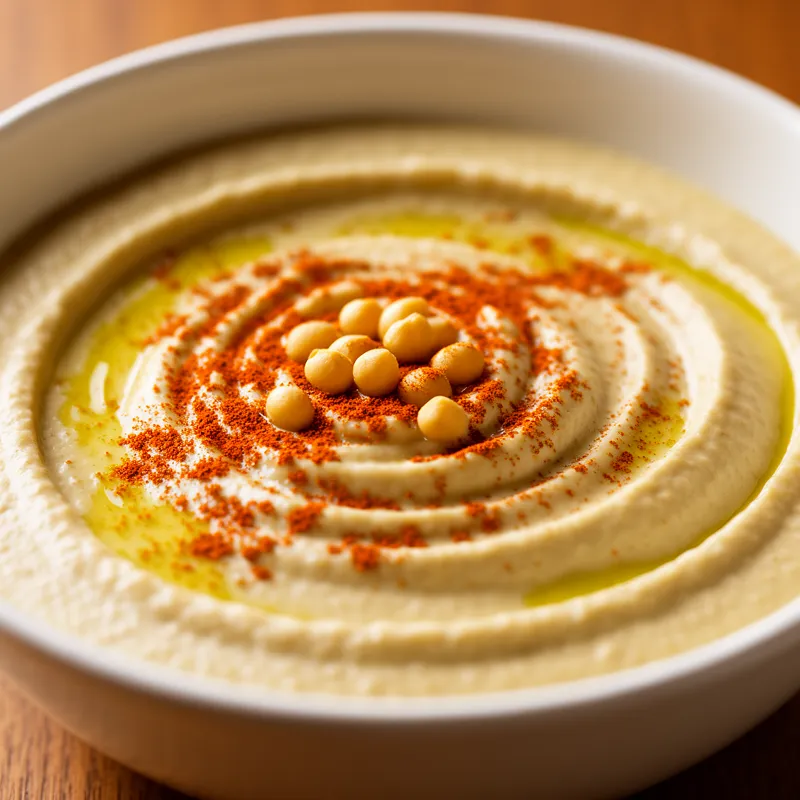
 229 kcal
 P 7.35g C 14.9g F 17.1g
Celery was originally cultivated as a medicinal herb and funeral garland, not a crunchy snack.
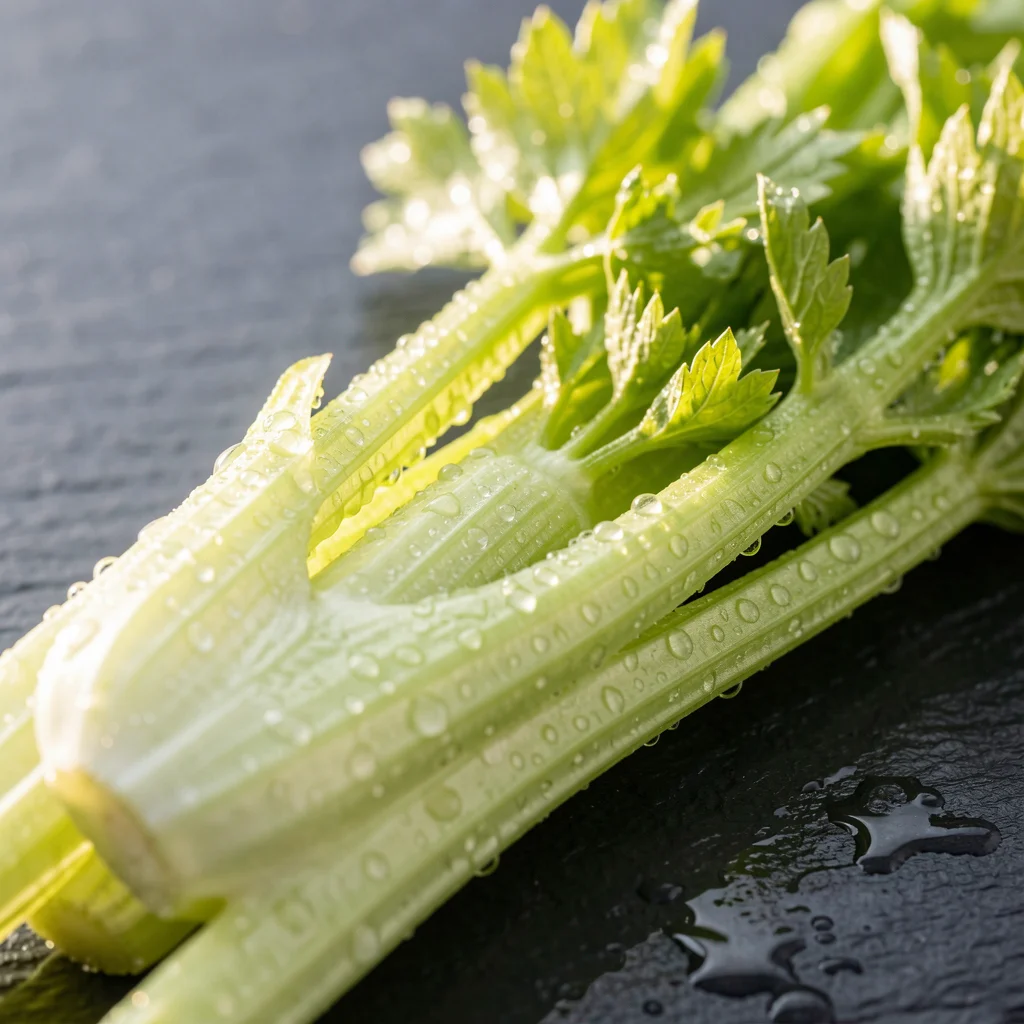
Celery (Apium graveolens) has a long history as a medicinal plant rather than a food crop. Ancient Greeks and Romans used wild celery primarily for its leaves and seeds, often weaving it into funeral garlands or using it as a flavoring for stews. The plant contains compounds called phthalides, which are responsible for its distinct earthy aroma and have been studied for potential mild blood-pressure-lowering effects by relaxing smooth muscle tissue around blood vessels. The modern, thick-stalked celery we eat today didn't appear until the 17th and 18th centuries, when Italian and French breeders began selecting wild varieties for their fleshy petioles rather than their seeds. Another fascinating chemical detail is the presence of furanocoumarins, organic chemical compounds produced by the plant as a defense mechanism against predators. In rare cases, agricultural workers handling celery in sunlight can develop phytophotodermatitis, a skin reaction triggered by these compounds interacting with UV radiation. So while celery is 95% water and incredibly mild in flavor, its chemistry is surprisingly complex and defensive.
To maximize celery's nutritional value, leave the leaves attached when storing, as they contain higher concentrations of calcium and vitamin C than the stalks. Wrap unwashed stalks tightly in aluminum foil to allow ethylene gas to escape while retaining moisture, keeping them crisp for weeks. Pair raw celery with hummus or peanut butter to add healthy fats and protein, which slows digestion and helps stabilize the blood sugar impact of its natural carbohydrates.
Per 100g — daily values based on a 2,000 calorie diet
CalRay's AI recognizes celery and hundreds of thousands of other foods from a photo. No manual lookup needed.
Celery contains 17 calories per 100g. A standard serving of 1 RACC (85g) provides 14 calories. It is considered a very low-calorie food (under 50 kcal/100g), making it excellent for weight management.
Celery provides 0.49g of protein per 100g, which is 1% of the 50g daily recommended value. It is not a primary protein source.
Celery contains 3.32g of carbohydrates per 100g .
Yes! Celery is very low in calories (17 kcal/100g) and can be eaten in generous portions even on a calorie-restricted diet.
The easiest way to track celery is with CalRay. Simply snap a photo of your meal and the AI will automatically identify the food and calculate calories and macros based on the estimated portion size — no manual lookup required. You can also search by name and adjust gram weight manually.
229 kcal 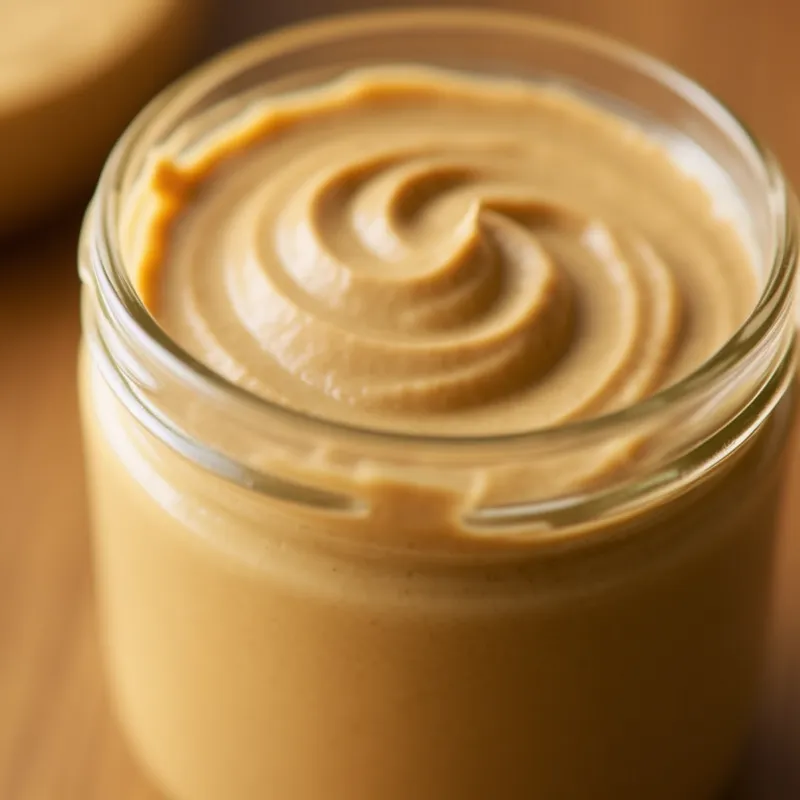 631 kcal
 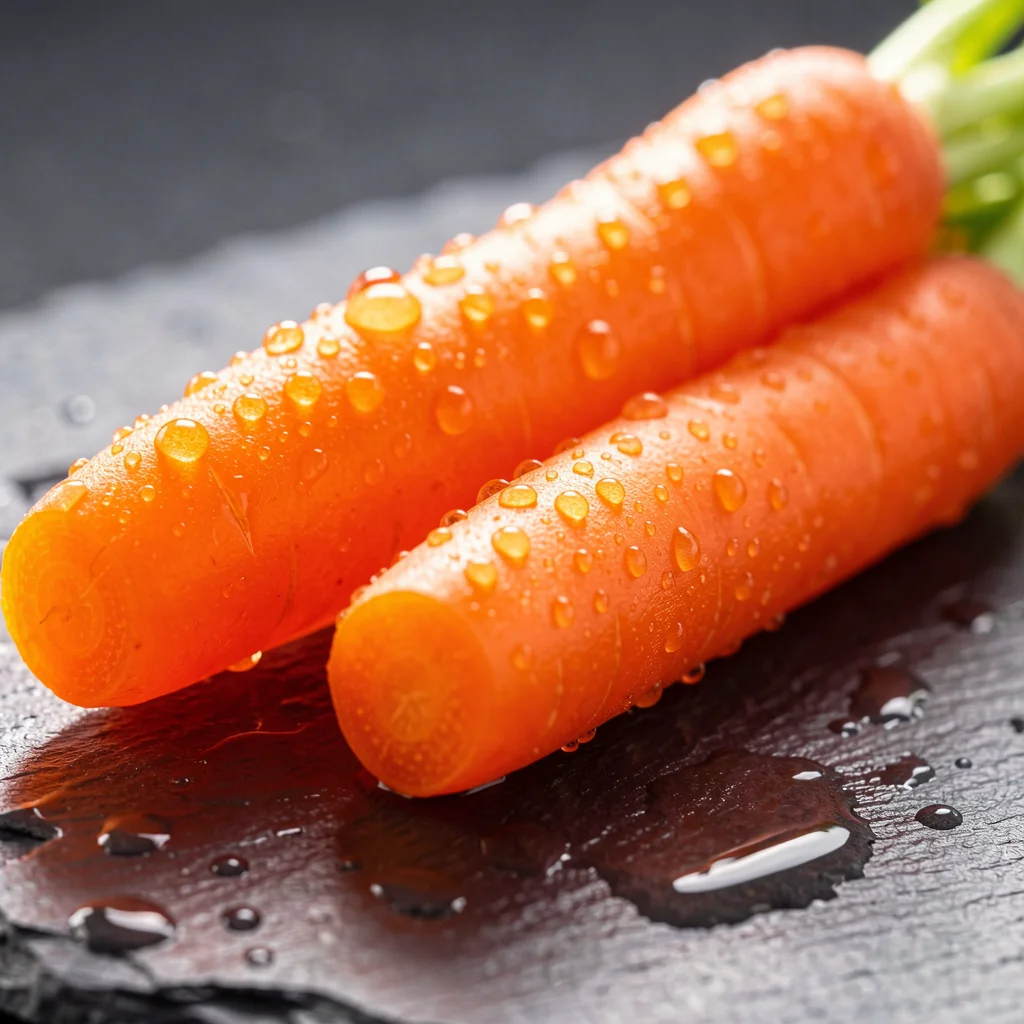 41 kcal