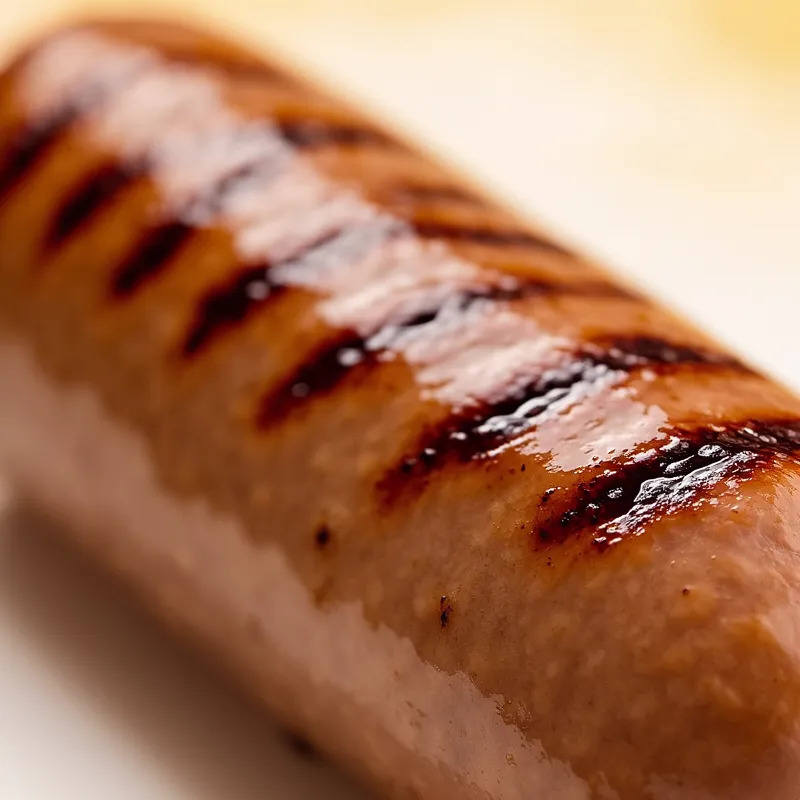
 314 kcal
 P 11.7g C 2.89g F 28g
Mustard's signature heat doesn't exist in the seed until water triggers a chemical defense mechanism.
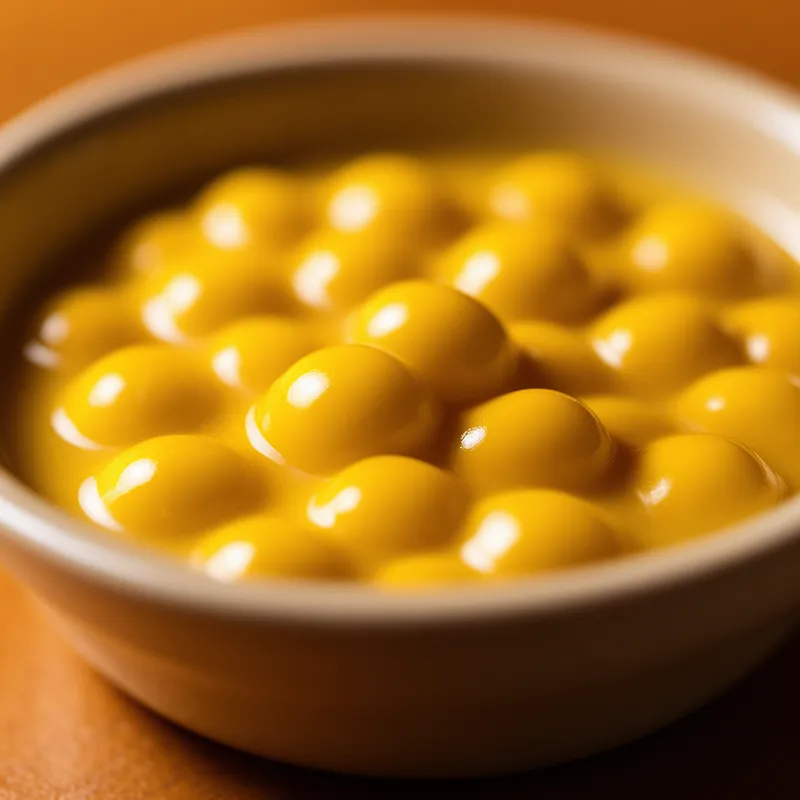
Mustard's pungency is a chemical defense mechanism that only activates when the seed's cells are crushed and exposed to water. Intact mustard seeds are virtually odorless and tasteless. They contain a compound called sinigrin and an enzyme called myrosinase, stored in separate cellular compartments. When water breaks down the cell walls, myrosinase converts sinigrin into allyl isothiocyanate—the volatile compound responsible for mustard's sharp, sinus-clearing heat. This reaction is highly temperature-dependent: cold water produces a highly pungent, volatile heat, while hot water or acidic environments denature the enzyme and produce a milder, more bitter flavor. This is why Chinese hot mustard, mixed with cool water, delivers a fierce punch, while classic American yellow mustard, blended with vinegar and turmeric, offers a gentle tang. The Romans were the first to experiment with this chemistry, grinding seeds and mixing them with unfermented grape juice, called must, to create mustum ardens—the burning must that eventually gave the condiment its modern English name.
To maximize the pungency of dry mustard powder, mix it with cold water and let it sit for ten minutes before adding it to other ingredients; this allows the myrosinase enzyme to fully convert the sinigrin into allyl isothiocyanate. Once the desired heat is reached, add an acid like vinegar or lemon juice to halt the enzymatic reaction and lock in the flavor. Store prepared mustard in the refrigerator to preserve its volatile oils and prevent it from losing its signature bite over time.
Per 100g — daily values based on a 2,000 calorie diet
CalRay's AI recognizes mustard and hundreds of thousands of other foods from a photo. No manual lookup needed.
Mustard contains 61 calories per 100g. A standard serving of 1 cup (249g) provides 152 calories. It is a moderate-calorie food that can fit into most healthy diets.
Mustard provides 4.25g of protein per 100g, which is 9% of the 50g daily recommended value. It is not a primary protein source.
Mustard contains 5.3g of carbohydrates per 100g . It also provides 4.3g of dietary fiber.
Mustard has 61 kcal per 100g, which is relatively moderate. It can fit into a weight-loss diet as long as portion sizes are managed. Its fiber content (4.3g/100g) also promotes fullness.
The easiest way to track mustard is with CalRay. Simply snap a photo of your meal and the AI will automatically identify the food and calculate calories and macros based on the estimated portion size — no manual lookup required. You can also search by name and adjust gram weight manually.
314 kcal 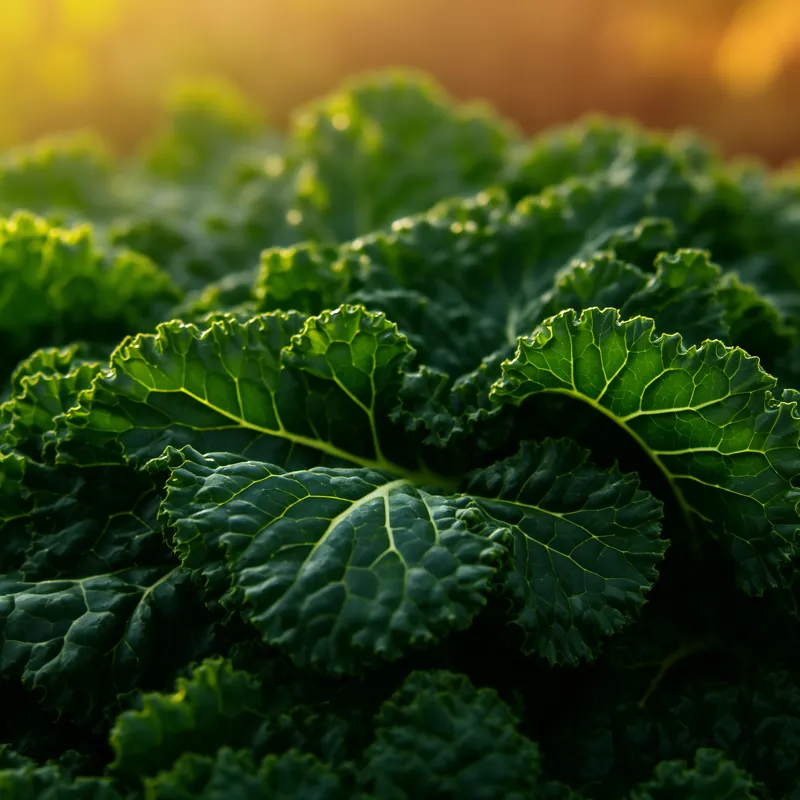 35 kcal
 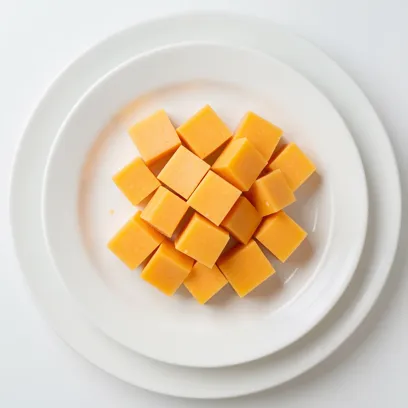 408 kcal