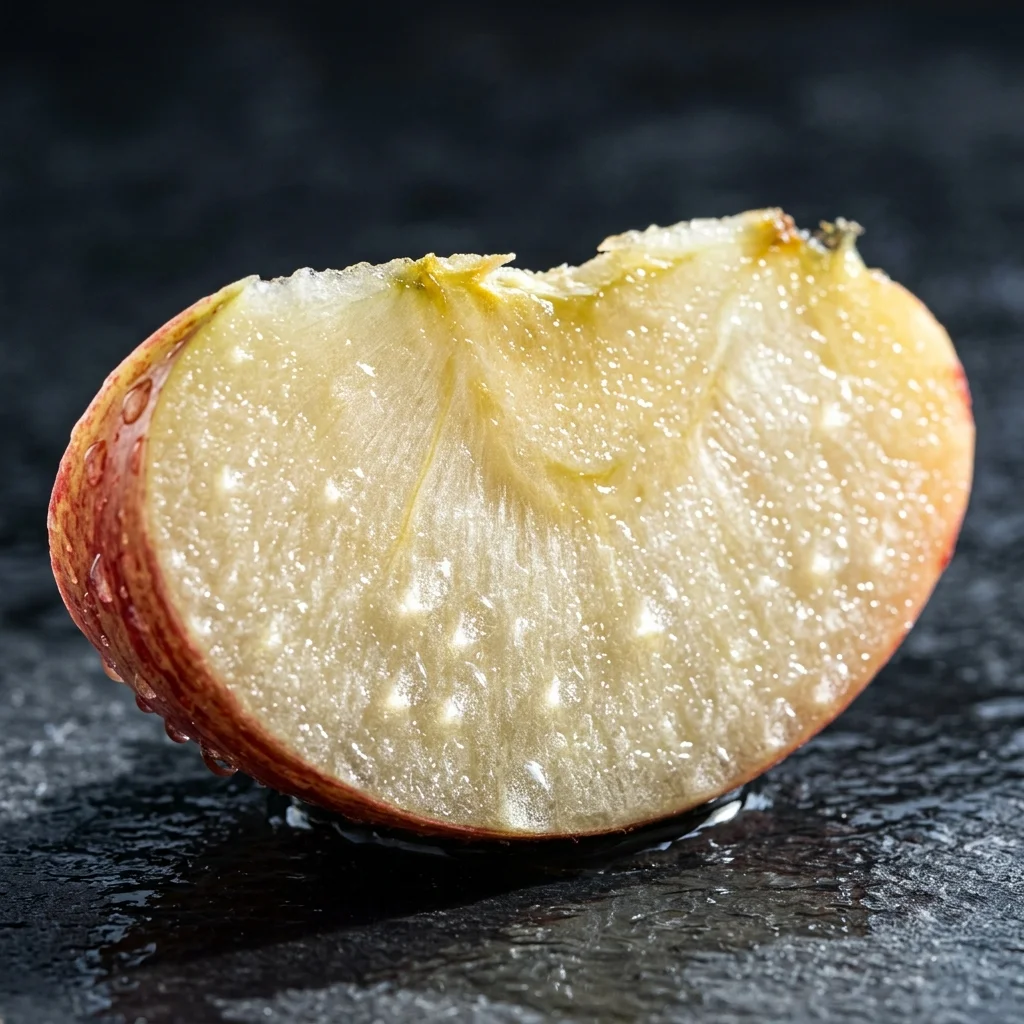
 65 kcal
 P 0.15g C 15.7g F 0.16g
Named after an English village — and the most imitated cheese name in history
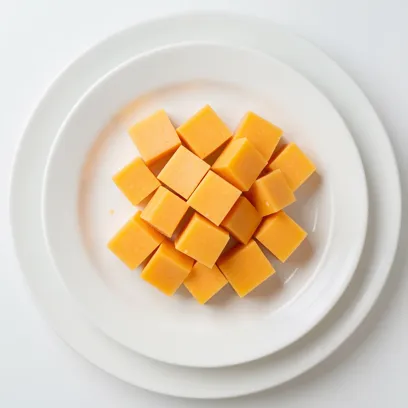
Cheddar takes its name from Cheddar Gorge in Somerset, England, where caves provided the cool, humid, constant conditions early cheesemakers needed to age it consistently, centuries before refrigeration existed. Unlike Parmigiano-Reggiano or Champagne, "cheddar" was never legally protected as a regional name, so it became one of the most widely produced and imitated cheese styles on earth, made everywhere from Wisconsin to New Zealand under the same name. The orange color most people associate with cheddar isn't natural either — it's typically added with annatto or other dyes; naturally aged cheddar is closer to pale ivory.
Aged (sharp) cheddar has less lactose than mild cheddar, since more lactose converts during the longer aging process, useful if you're mildly lactose sensitive. Let cold cheddar sit at room temperature for 20-30 minutes before eating; the flavor is noticeably more pronounced when it's not fridge-cold.
Per 100g — daily values based on a 2,000 calorie diet
CalRay's AI recognizes cheese and hundreds of thousands of other foods from a photo. No manual lookup needed.
Cheese, cheddar contains 408 calories per 100g. A standard serving of 1 slice (17g) provides 69 calories. It is relatively calorie-dense, so portion control is important.
Cheese, cheddar provides 23.3g of protein per 100g, which is 47% of the 50g daily recommended value. It is an excellent source of protein.
Cheese, cheddar contains 2.44g of carbohydrates per 100g .
Cheese, cheddar has 408 kcal per 100g, so portions need to be monitored on a weight-loss diet. Use CalRay to track your intake accurately. Its high protein content (23.3g/100g) helps with satiety.
The easiest way to track cheese is with CalRay. Simply snap a photo of your meal and the AI will automatically identify the food and calculate calories and macros based on the estimated portion size — no manual lookup required. You can also search by name and adjust gram weight manually.
65 kcal  366 kcal
  22 kcal