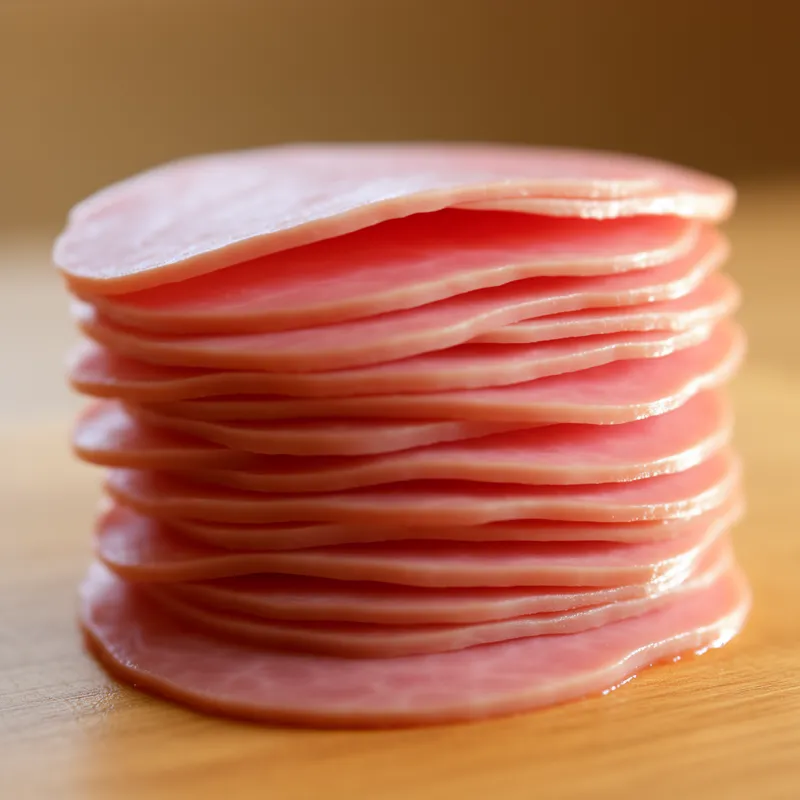
 106 kcal
 P 16.7g C 0.27g F 3.73g
Its famous holes are blown by bacteria exhaling carbon dioxide inside the cheese.
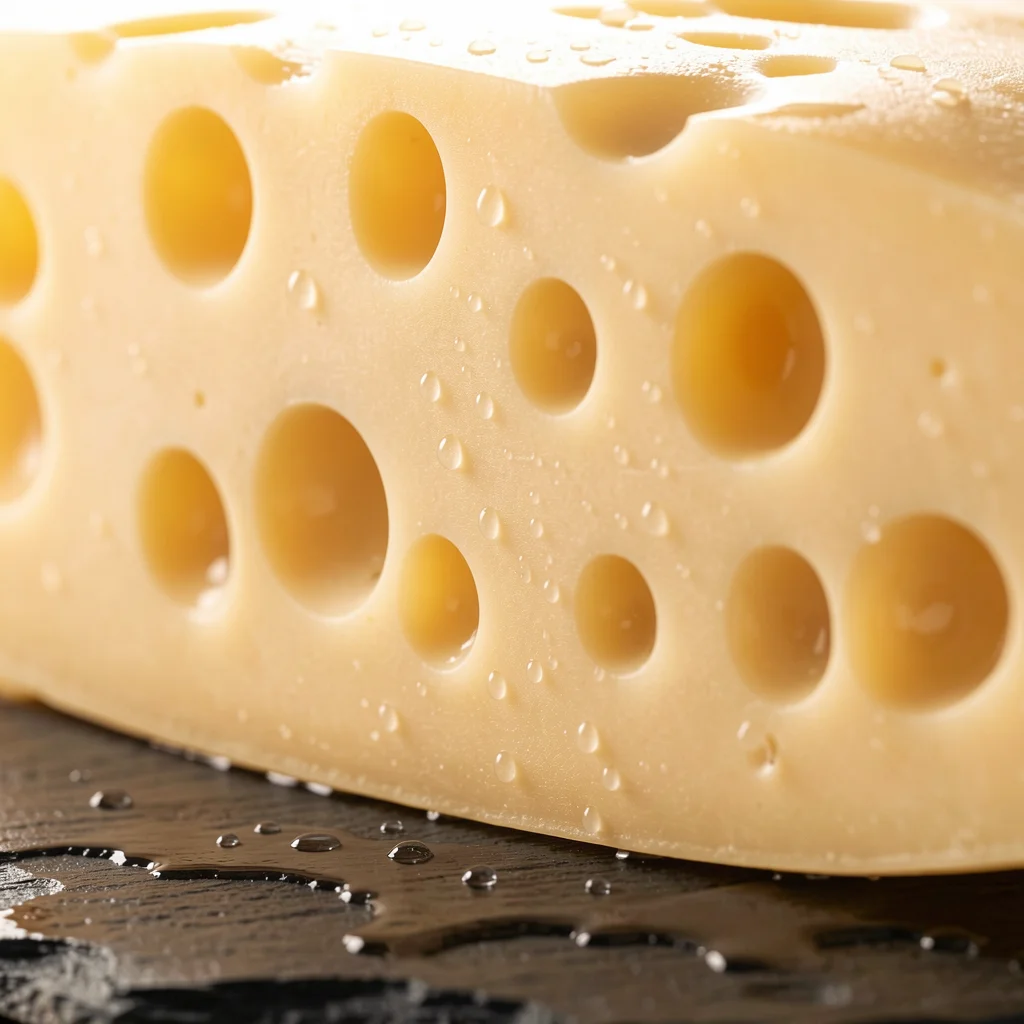
The iconic holes in Swiss cheese—technically called "eyes"—are the work of Propionibacterium freudenreichii, bacteria that feed on lactic acid produced during earlier fermentation and release carbon dioxide as a byproduct. As the cheese ages in warm cellars around 22°C (72°F), this gas accumulates inside the elastic curd, forming spherical bubbles that become the characteristic openings. In 2015, scientists at Agroscope, the Swiss government's agricultural research institute, discovered that the number and size of these holes had been declining in modern Swiss cheese. The culprit wasn't the bacteria but the extreme cleanliness of contemporary dairy processing. Microscopic particles of hay dust in traditionally handled raw milk act as nucleation sites where CO₂ bubbles can form. When milk is microfiltered and handled in ultra-clean environments, those particles disappear, and the gas disperses too evenly to create large eyes. This finding confirmed what cheesemakers had long suspected anecdotally: a little barn dust plays a structural role in one of the world's most recognizable cheeses. The propionic acid produced alongside the CO₂ also contributes to Swiss cheese's slightly sweet, nutty flavor.
Swiss cheese melts exceptionally well thanks to its elastic protein structure and relatively high moisture, making it ideal for French onion soup, gratins, and hot sandwiches. Its nutty, sweet flavor intensifies with age—look for "aged" or "reserve" labels for sharper depth. Store wrapped in parchment or wax paper inside a loose plastic bag in the refrigerator to balance humidity without trapping excess moisture. Pair with ham and mustard for a classic deli combination, or melt over roasted vegetables where its mild acidity cuts through richness.
Per 100g — daily values based on a 2,000 calorie diet
CalRay's AI recognizes cheese and hundreds of thousands of other foods from a photo. No manual lookup needed.
Cheese, swiss contains 393 calories per 100g. A standard serving of 1 slice (21.9g) provides 86 calories. It is relatively calorie-dense, so portion control is important.
Cheese, swiss provides 27g of protein per 100g, which is 54% of the 50g daily recommended value. It is an excellent source of protein.
Cheese, swiss contains 1.44g of carbohydrates per 100g .
Cheese, swiss has 393 kcal per 100g, so portions need to be monitored on a weight-loss diet. Use CalRay to track your intake accurately. Its high protein content (27g/100g) helps with satiety.
The easiest way to track cheese is with CalRay. Simply snap a photo of your meal and the AI will automatically identify the food and calculate calories and macros based on the estimated portion size — no manual lookup required. You can also search by name and adjust gram weight manually.
106 kcal 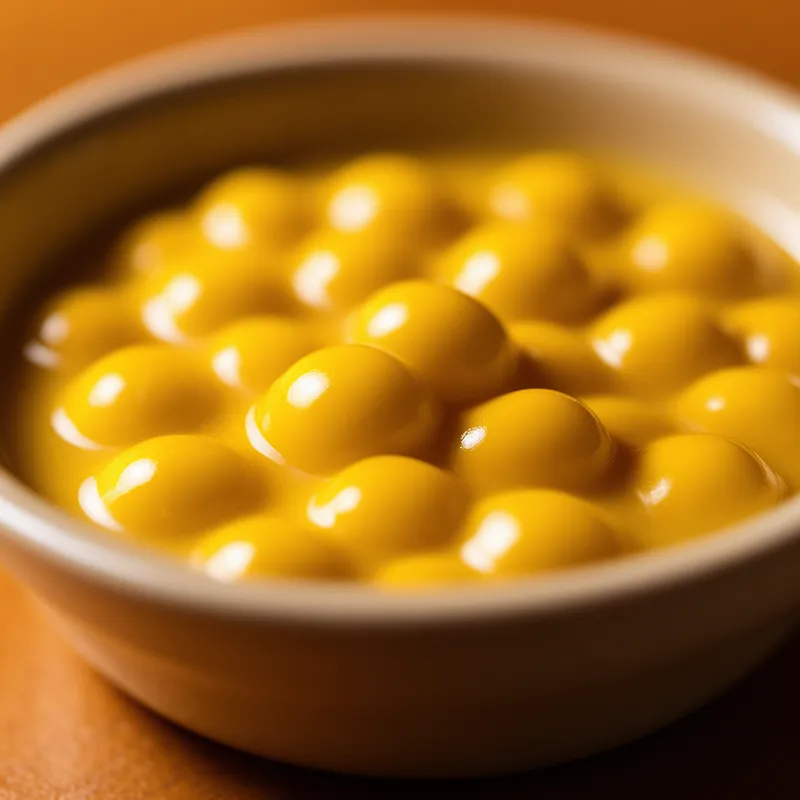 61 kcal
 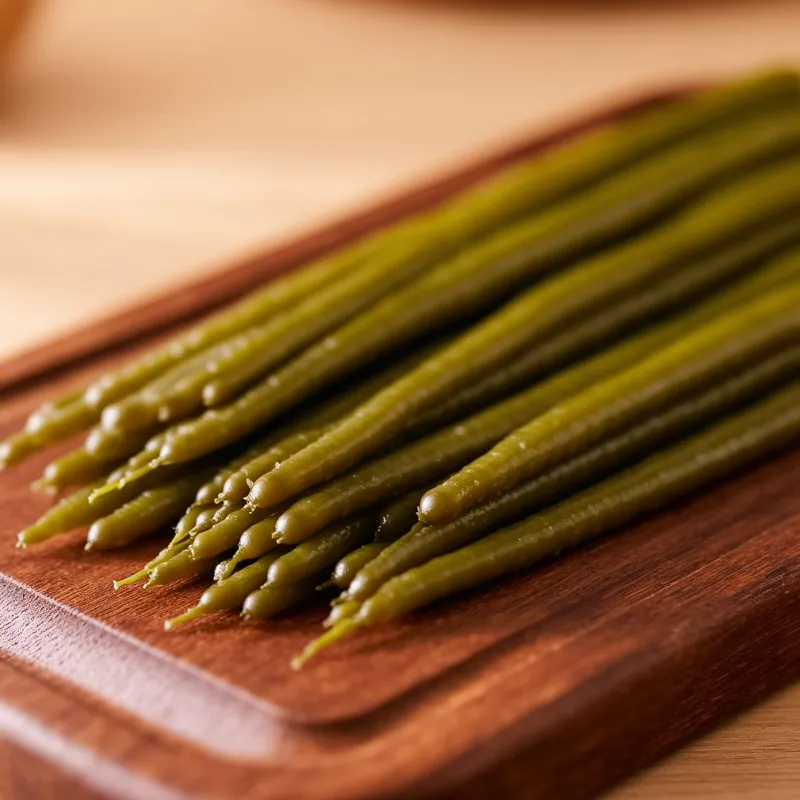 12 kcal