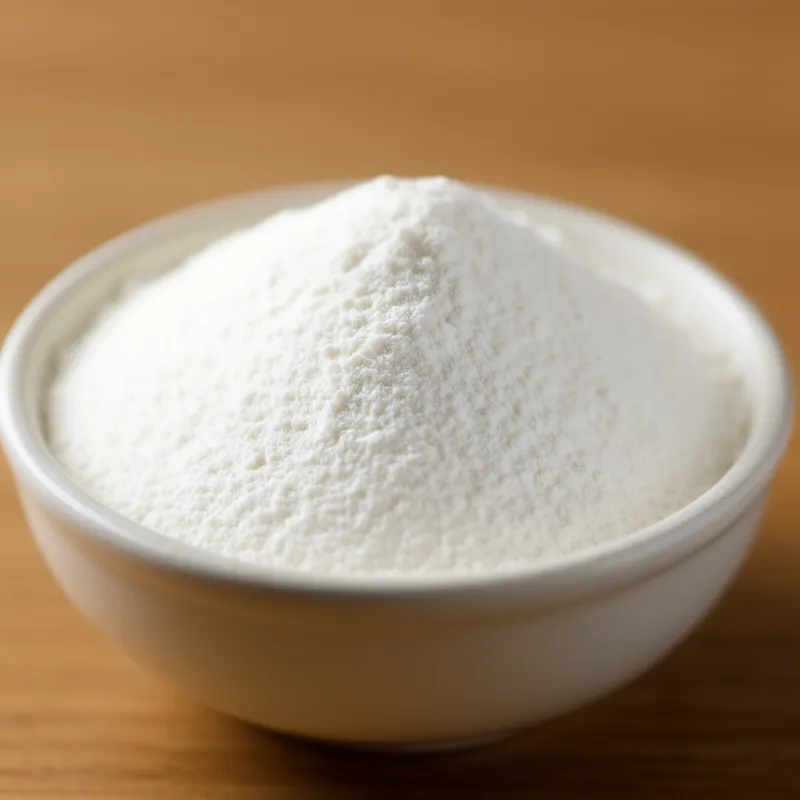
 362 kcal
 P 12g C 74.6g F 1.7g
Full-fat soy flour retains its natural oils, making it a rare flour that acts as both a protein booster and a dough-conditioning fat.
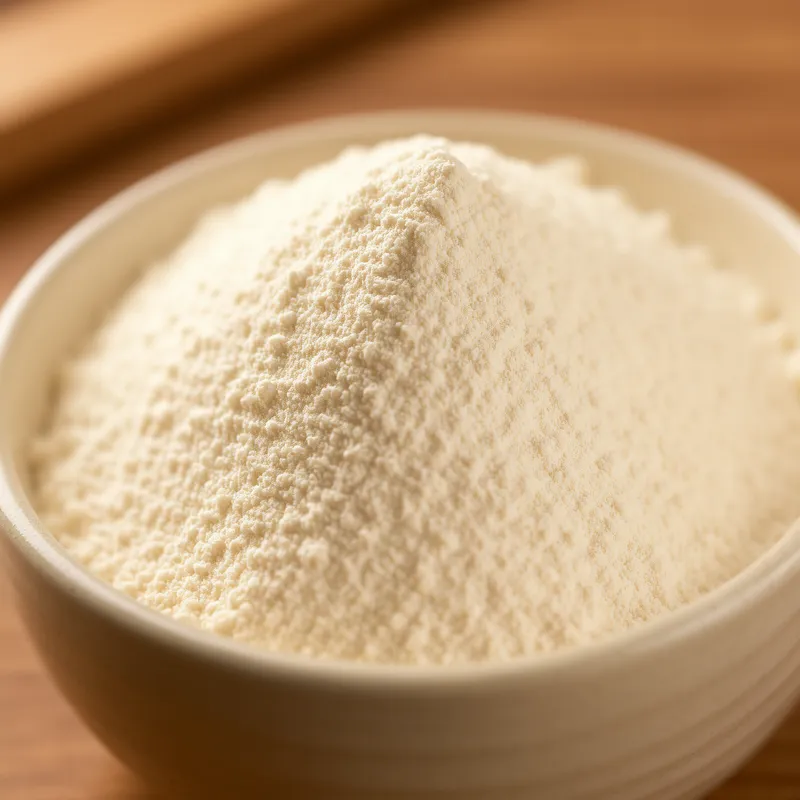
Full-fat soy flour is produced by simply grinding whole, dehulled soybeans without extracting their natural oils, which account for roughly 20% of its weight. Unlike defatted soy flour, which is a byproduct of soybean oil extraction, the full-fat version retains the bean's complete lipid profile, including high levels of linoleic and alpha-linolenic acids. A unique chemical property of this flour is its high concentration of lipoxygenase, an enzyme that catalyzes the oxidation of these retained polyunsaturated fatty acids. In bread baking, this oxidation bleaches carotenoid pigments in wheat flour, creating a whiter crumb, while also strengthening gluten networks through the oxidation of sulfhydryl groups. However, this same enzymatic activity means full-fat soy flour is highly susceptible to rancidity. Because the oils are still present and exposed to air during grinding, the shelf life is significantly shorter than defatted varieties, often requiring refrigeration or freezing to prevent off-flavors from developing. Historically, it was used in wartime rationing to stretch wheat supplies and boost protein, but today it is primarily valued in commercial baking for its dough-conditioning effects.
When substituting full-fat soy flour in baking, limit it to about 15% of the total flour weight to prevent dense, heavy textures. It excels in pancakes, muffins, and quick breads where its natural fats add moisture and tenderize the crumb. Because it lacks gluten-forming proteins, it must be paired with wheat flour or a binder like xanthan gum for structure. Always store it in an airtight container in the refrigerator or freezer to prevent the retained oils from going rancid. Toasting the flour briefly in a dry skillet before use can mellow its raw, beany flavor.
Per 100g — daily values based on a 2,000 calorie diet
CalRay's AI recognizes flour and hundreds of thousands of other foods from a photo. No manual lookup needed.
Flour, soy, full-fat contains 452 calories per 100g. A standard serving of 1 RACC (30g) provides 136 calories. It is relatively calorie-dense, so portion control is important.
Flour, soy, full-fat provides 38.6g of protein per 100g, which is 77% of the 50g daily recommended value. It is an excellent source of protein.
Flour, soy, full-fat contains 27.9g of carbohydrates per 100g .
Flour, soy, full-fat has 452 kcal per 100g, so portions need to be monitored on a weight-loss diet. Use CalRay to track your intake accurately. Its high protein content (38.6g/100g) helps with satiety.
The easiest way to track flour is with CalRay. Simply snap a photo of your meal and the AI will automatically identify the food and calculate calories and macros based on the estimated portion size — no manual lookup required. You can also search by name and adjust gram weight manually.
362 kcal  884 kcal
  150 kcal