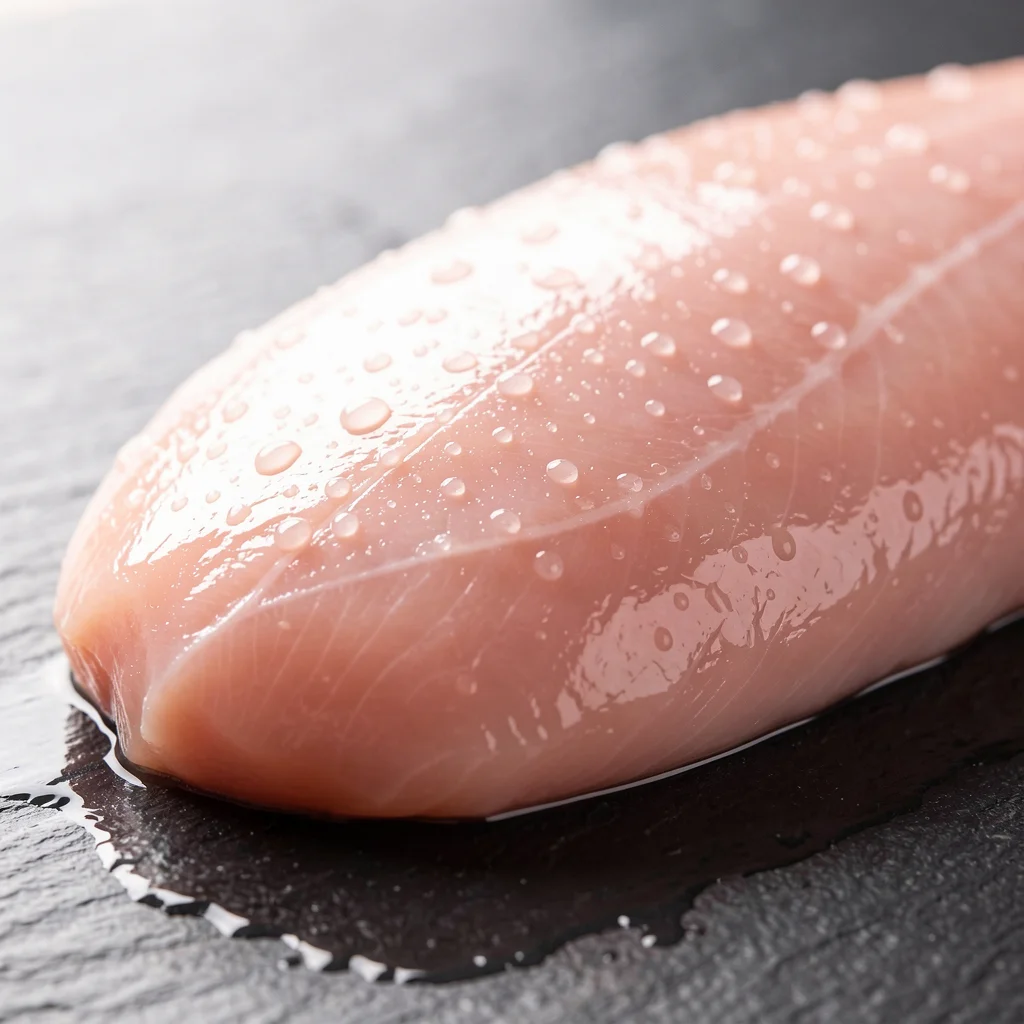
 107 kcal
 P 22.5g C 0g F 1.93g
The most consumed cooking oil in America is hiding in nearly every processed food label under the word 'vegetable oil.'
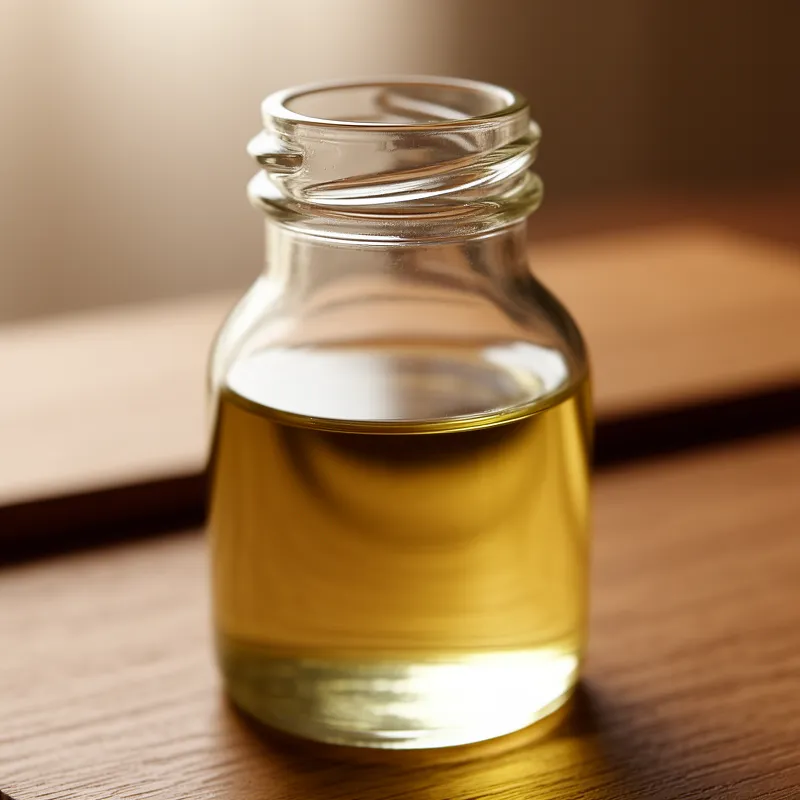
In the 1930s, Henry Ford became so obsessed with soybeans that he built a dedicated soybean laboratory in Dearborn, Michigan, and once served a full soybean-based meal to reporters — including soybean milk, soybean bread, and even a soybean-based margarine. Ford used soybean oil in automobile enamel paints because it produced a harder, more durable finish than petroleum-based alternatives, and he even fabricated prototype car body panels from soy-based plastics. His enthusiasm helped jump-start the American soybean industry, which today produces over 4 billion bushels annually. Chemically, refined soybean oil is roughly 51% linoleic acid (an omega-6 fatty acid), about 8% alpha-linolenic acid (an omega-3), and 23% oleic acid. Its high polyunsaturated content makes it liquid at room temperature but also more prone to oxidation than oils higher in monounsaturates. The refining process — degumming, neutralizing, bleaching, and deodorizing — strips out proteins that trigger soy allergies, which is why the FDA exempts highly refined soybean oil from major allergen labeling requirements.
Use refined soybean oil for neutral-flavored high-heat cooking such as stir-frying, pan-frying, or deep-frying where you don't want the oil to compete with other flavors. Store it in a cool, dark cabinet away from heat; its high polyunsaturated fat content means it oxidizes faster than olive or avocado oil, so buy in smaller quantities and use within a few months of opening. It works well as a base for vinaigrettes when blended with a more flavorful oil like extra-virgin olive oil, since on its own it contributes almost no taste.
Per 100g — daily values based on a 2,000 calorie diet
CalRay's AI recognizes oil and hundreds of thousands of other foods from a photo. No manual lookup needed.
Oil, soybean contains 884 calories per 100g. A standard serving of 100 milliliter (91.3g) provides 807 calories. It is relatively calorie-dense, so portion control is important.
Oil, soybean provides 0g of protein per 100g, which is 0% of the 50g daily recommended value. It is not a primary protein source.
Oil, soybean contains 0g of carbohydrates per 100g .
Oil, soybean has 884 kcal per 100g, so portions need to be monitored on a weight-loss diet. Use CalRay to track your intake accurately.
The easiest way to track oil is with CalRay. Simply snap a photo of your meal and the AI will automatically identify the food and calculate calories and macros based on the estimated portion size — no manual lookup required. You can also search by name and adjust gram weight manually.
107 kcal 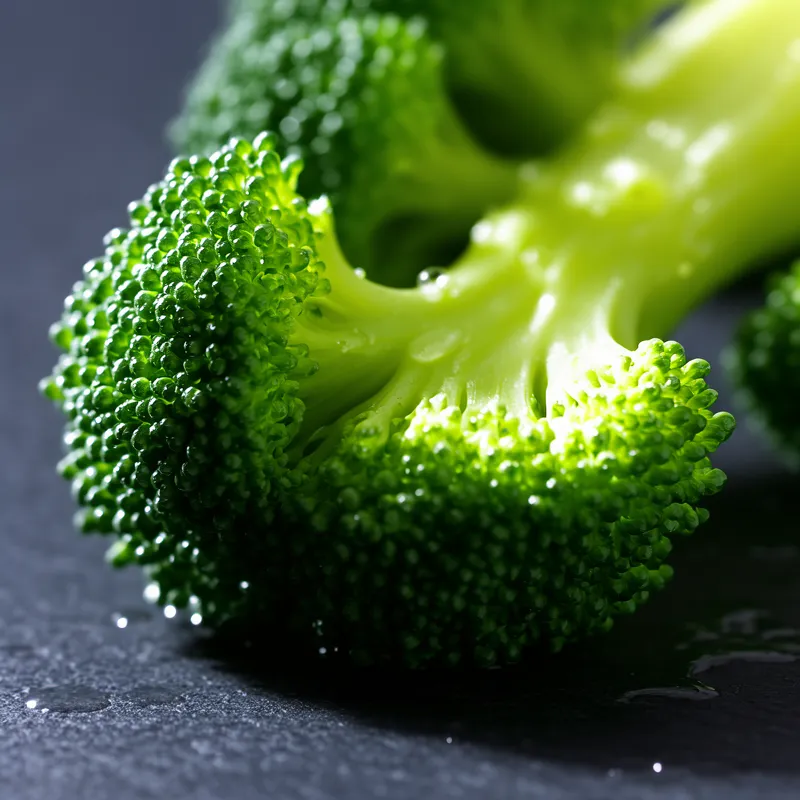 31 kcal
 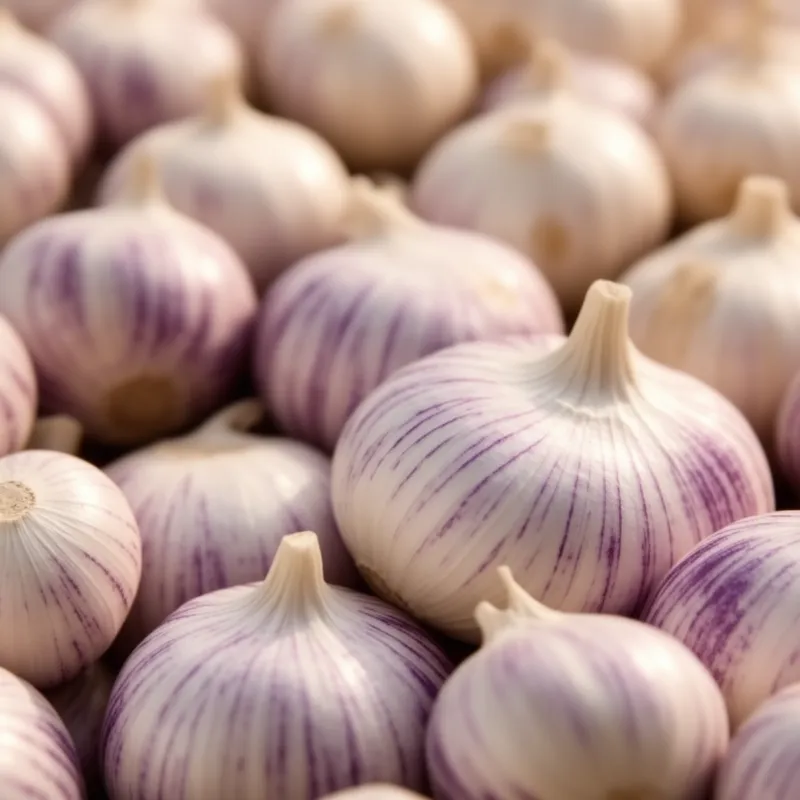 143 kcal