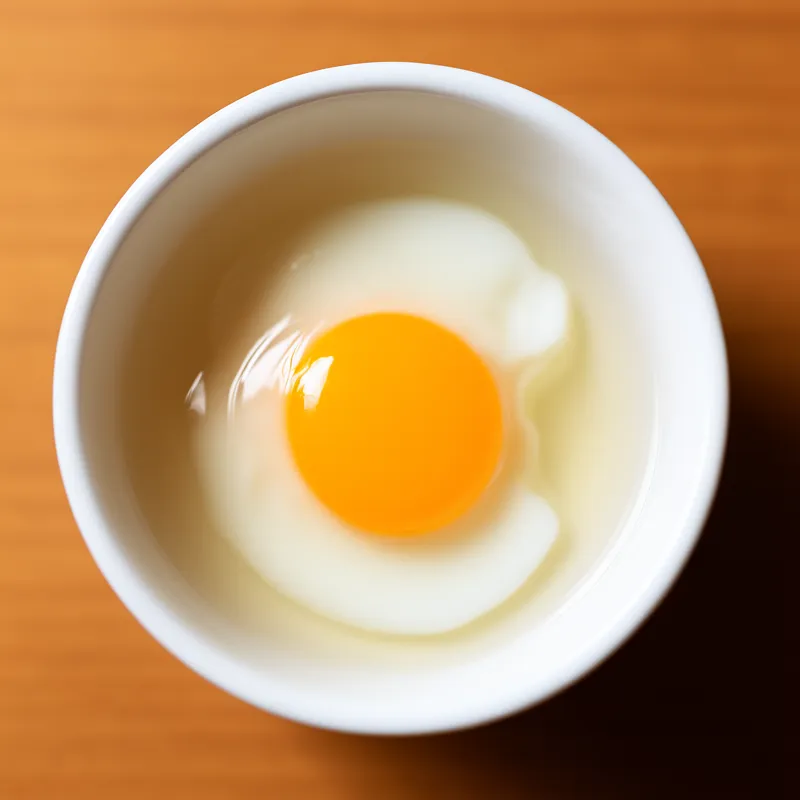
 148 kcal
 P 12.4g C 0.96g F 9.96g
Unlike almost every other nut flour, chestnut flour is naturally sweet and gluten-free because chestnuts are botanically closer to fruit than true nuts.
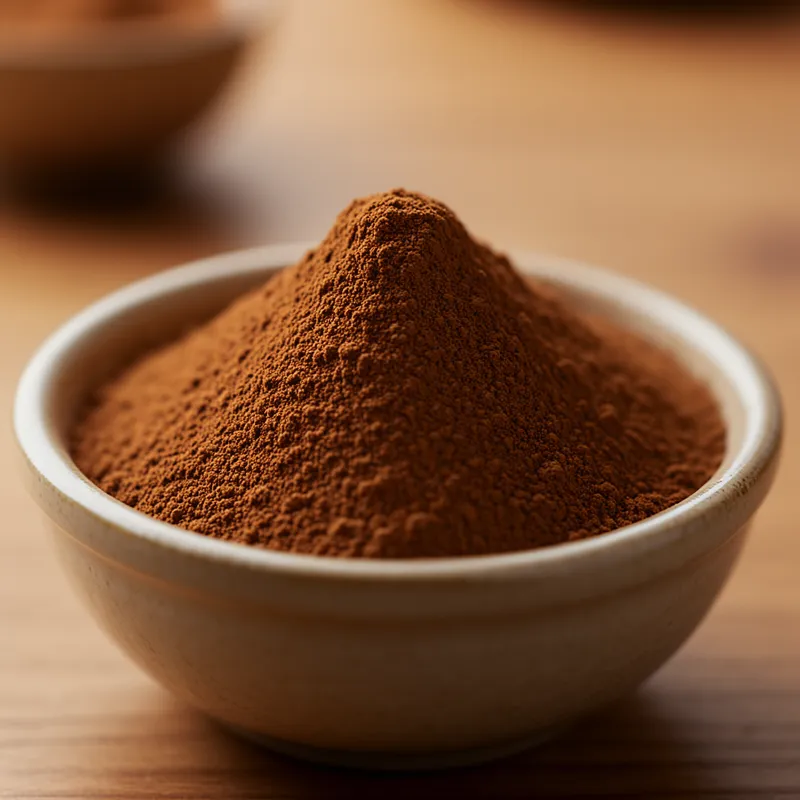
Chestnuts have a unique composition among tree nuts: they are low in fat and high in complex carbohydrates, which is why they can be dried and milled into a flour that behaves more like a grain than a typical nut meal. In parts of Italy, particularly Tuscany, and on the island of Corsica, chestnut flour has been a culinary staple for centuries. It historically served as a critical survival food during winter months when wheat was scarce or unaffordable. The flour is traditionally made by drying chestnuts over wood fires for weeks, imparting a distinct smoky flavor before they are stone-milled. Chemically, its high starch content allows it to form a cohesive dough without gluten, though it lacks the structural elasticity of wheat. This makes it ideal for dense, flatbreads like the Tuscan castagnaccio or Corsican pulenda. Because it contains roughly 80% carbohydrates by weight, it caramelizes quickly when baked, yielding a dark, sweet crust that naturally reduces the need for added sugars in recipes.
Because chestnut flour is highly hygroscopic, it absorbs more liquid than wheat flour, so recipes typically require adjusting the liquid ratio or blending it with another flour to prevent overly dry baked goods. Store it in an airtight container in the refrigerator or freezer to protect its natural oils from going rancid. It pairs exceptionally well with robust flavors like dark chocolate or rosemary, and its high carbohydrate content makes it an excellent energy source for endurance-based meals.
Per 100g — daily values based on a 2,000 calorie diet
CalRay's AI recognizes flour and hundreds of thousands of other foods from a photo. No manual lookup needed.
Flour, chestnut contains 385 calories per 100g. A standard serving of 1 RACC (30g) provides 116 calories. It is relatively calorie-dense, so portion control is important.
Flour, chestnut provides 5.29g of protein per 100g, which is 11% of the 50g daily recommended value. It is not a primary protein source.
Flour, chestnut contains 80.5g of carbohydrates per 100g . It also provides 8.71g of dietary fiber.
Flour, chestnut has 385 kcal per 100g, so portions need to be monitored on a weight-loss diet. Use CalRay to track your intake accurately. Its fiber content (8.71g/100g) also promotes fullness.
The easiest way to track flour is with CalRay. Simply snap a photo of your meal and the AI will automatically identify the food and calculate calories and macros based on the estimated portion size — no manual lookup required. You can also search by name and adjust gram weight manually.
148 kcal  884 kcal
  249 kcal