 148 kcal
 P 12.4g C 0.96g F 9.96g
This gluten-free baking staple requires careful processing to remove naturally occurring cyanide compounds from the raw root.
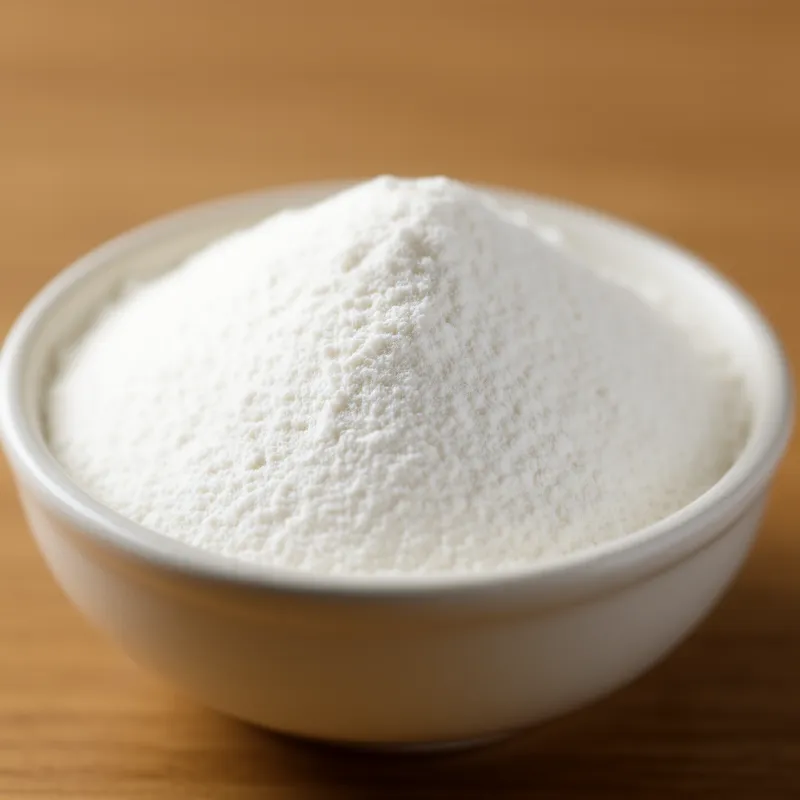
Cassava flour is derived from the root of the Manihot esculenta plant, a major calorie source for over half a billion people globally. What many don't realize is that raw cassava contains linamarin, a cyanogenic glucoside that can release toxic hydrogen cyanide when consumed. The production of cassava flour relies on traditional and industrial detoxification processes—grating, soaking, fermenting, and drying—that break down linamarin and allow the volatile cyanide gas to evaporate. This chemical necessity is why cassava flour has a slightly fermented, earthy flavor profile compared to other gluten-free starches. Unlike tapioca flour, which is just the extracted starch, cassava flour uses the entire peeled root, retaining more of the root's natural fiber and earthy characteristics. The resulting flour is nearly pure carbohydrate, with minimal protein or fat, making it a dense energy source that behaves remarkably similarly to wheat flour in many baking applications, though it lacks gluten's structural elasticity.
Because cassava flour lacks gluten, baked goods require binders like eggs or xanthan gum to prevent crumbling. It absorbs more liquid than wheat flour, so increase hydration in recipes or expect a denser final product. Store it in an airtight container in a cool, dark pantry to prevent moisture absorption and rancidity. Pair it with protein-rich ingredients like eggs or beans to balance its high carbohydrate density and create a more nutritionally complete meal.
Per 100g — daily values based on a 2,000 calorie diet
CalRay's AI recognizes flour and hundreds of thousands of other foods from a photo. No manual lookup needed.
Flour, cassava contains 357 calories per 100g. A standard serving of 1 RACC (30g) provides 107 calories. It is relatively calorie-dense, so portion control is important.
Flour, cassava provides 0.92g of protein per 100g, which is 2% of the 50g daily recommended value. It is not a primary protein source.
Flour, cassava contains 87.3g of carbohydrates per 100g . It also provides 4.83g of dietary fiber.
Flour, cassava has 357 kcal per 100g, so portions need to be monitored on a weight-loss diet. Use CalRay to track your intake accurately. Its fiber content (4.83g/100g) also promotes fullness.
The easiest way to track flour is with CalRay. Simply snap a photo of your meal and the AI will automatically identify the food and calculate calories and macros based on the estimated portion size — no manual lookup required. You can also search by name and adjust gram weight manually.
148 kcal 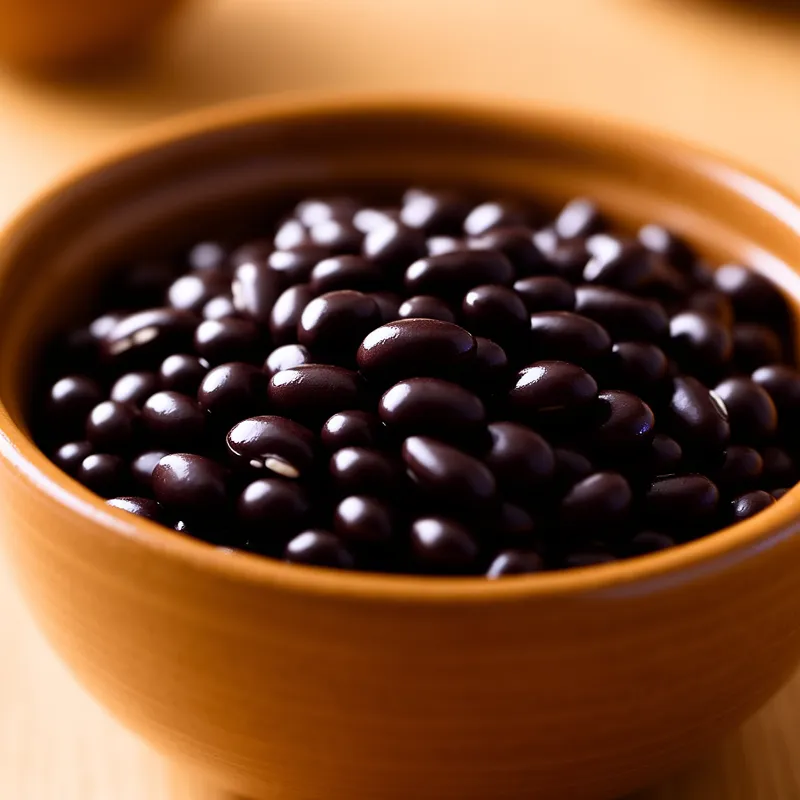 118 kcal
 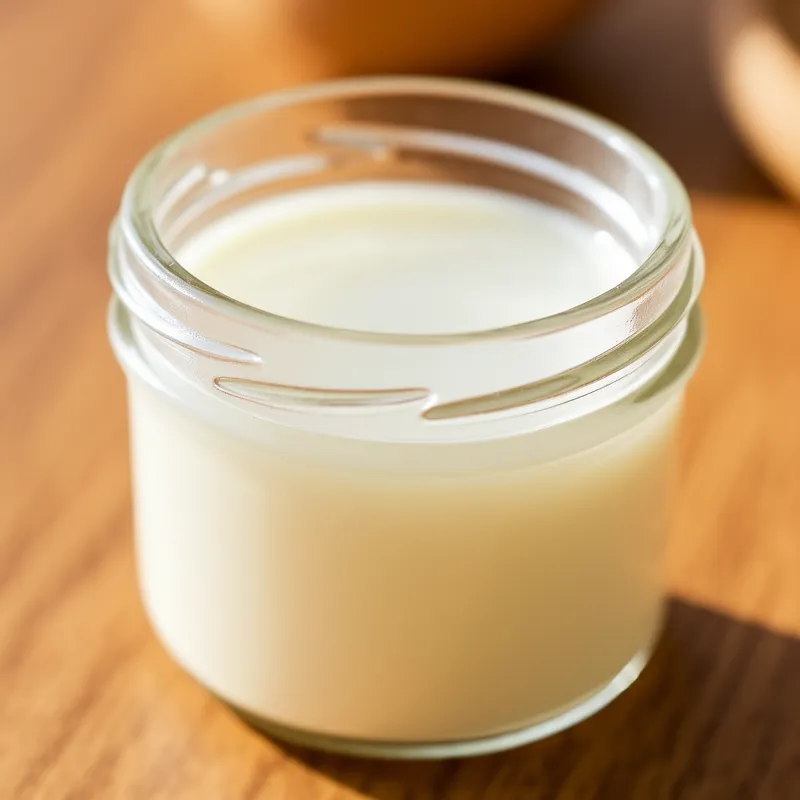 833 kcal