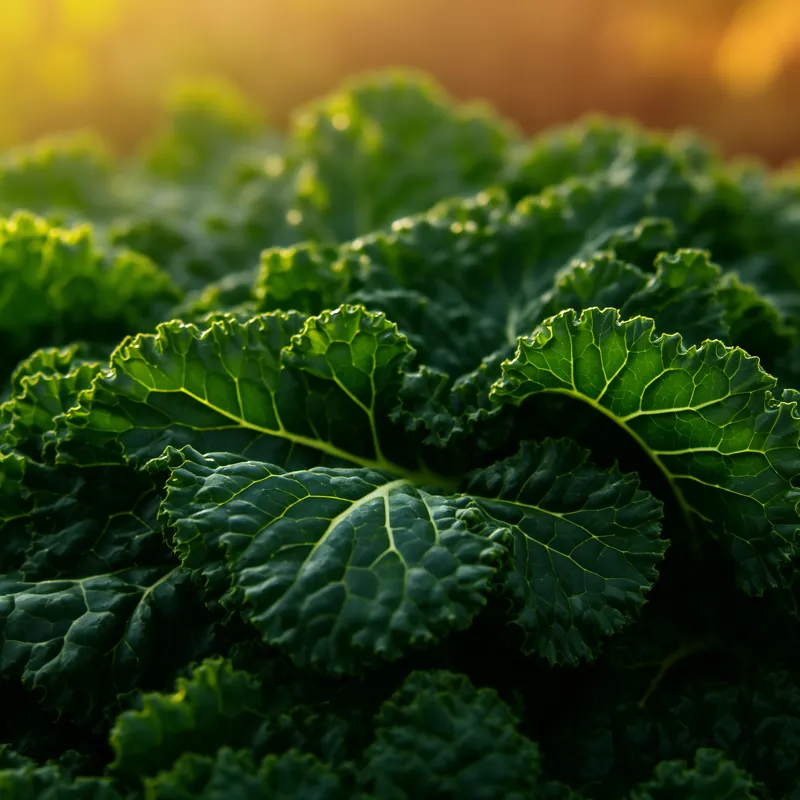
 35 kcal
 P 2.92g C 4.42g F 1.49g
Sockeye salmon get their deep red flesh from the krill they eat, not from genetics alone.
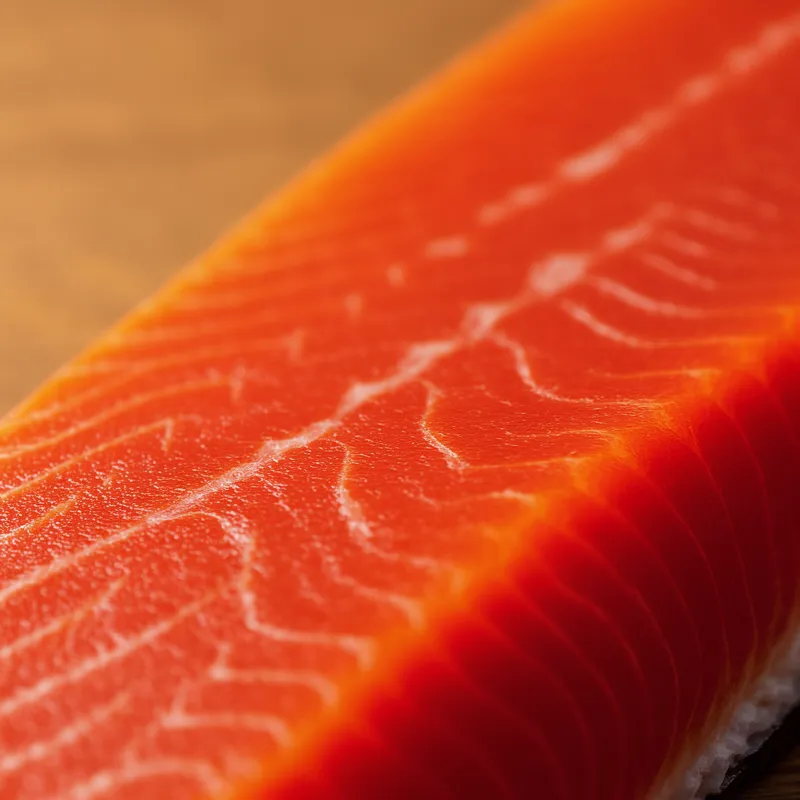
Sockeye salmon (Oncorhynchus nerka) possess the deepest red flesh of all Pacific salmon species, a trait driven entirely by their diet. Unlike other salmon that might eat a wider variety of prey, sockeye feed heavily on zooplankton, specifically krill and small shrimp. These crustaceans contain astaxanthin, a potent carotenoid pigment. As the fish consume massive quantities of these organisms, the astaxanthin accumulates in their muscle tissue. This pigment isn't just for color; astaxanthin acts as a powerful antioxidant that protects the salmon's cells from oxidative stress during their arduous upstream migration to spawn. Because they stop eating once they enter freshwater, this stored astaxanthin becomes crucial for sustaining their cellular health. The intensity of the red color is so reliable that it is one of the primary ways to visually distinguish wild-caught sockeye from other species like pink or chum salmon. Farmed salmon are often fed synthetic astaxanthin to mimic this natural coloration, but wild sockeye develop their signature hue entirely through their natural marine diet.
Wild sockeye is leaner than farmed Atlantic salmon and cooks quickly, so avoid high heat that dries it out. Pan-sear it skin-side down over medium heat, or bake at 275°F to keep the flesh tender. Because it has zero carbohydrates, pairing it with fiber-rich vegetables like kale or broccoli helps slow digestion and stabilize blood sugar. Store it in the coldest part of your fridge and cook within two days, or freeze it vacuum-sealed to preserve the delicate omega-3 oils.
Per 100g — daily values based on a 2,000 calorie diet
CalRay's AI recognizes fish salmon and hundreds of thousands of other foods from a photo. No manual lookup needed.
Fish salmon, sockeye, wild caught contains 134 calories per 100g. A standard serving of 1 RACC (115g) provides 154 calories. It is a moderate-calorie food that can fit into most healthy diets.
Fish salmon, sockeye, wild caught provides 22.3g of protein per 100g, which is 45% of the 50g daily recommended value. It is an excellent source of protein.
Fish salmon, sockeye, wild caught contains 0g of carbohydrates per 100g .
Fish salmon, sockeye, wild caught has 134 kcal per 100g, which is relatively moderate. It can fit into a weight-loss diet as long as portion sizes are managed. Its high protein content (22.3g/100g) helps with satiety.
The easiest way to track fish salmon is with CalRay. Simply snap a photo of your meal and the AI will automatically identify the food and calculate calories and macros based on the estimated portion size — no manual lookup required. You can also search by name and adjust gram weight manually.
35 kcal 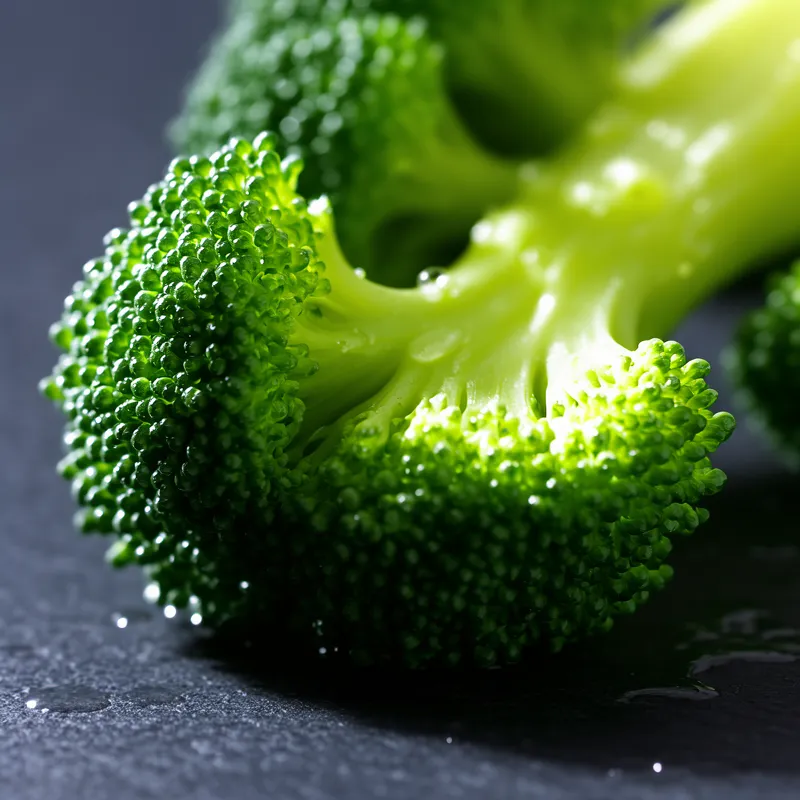 31 kcal
 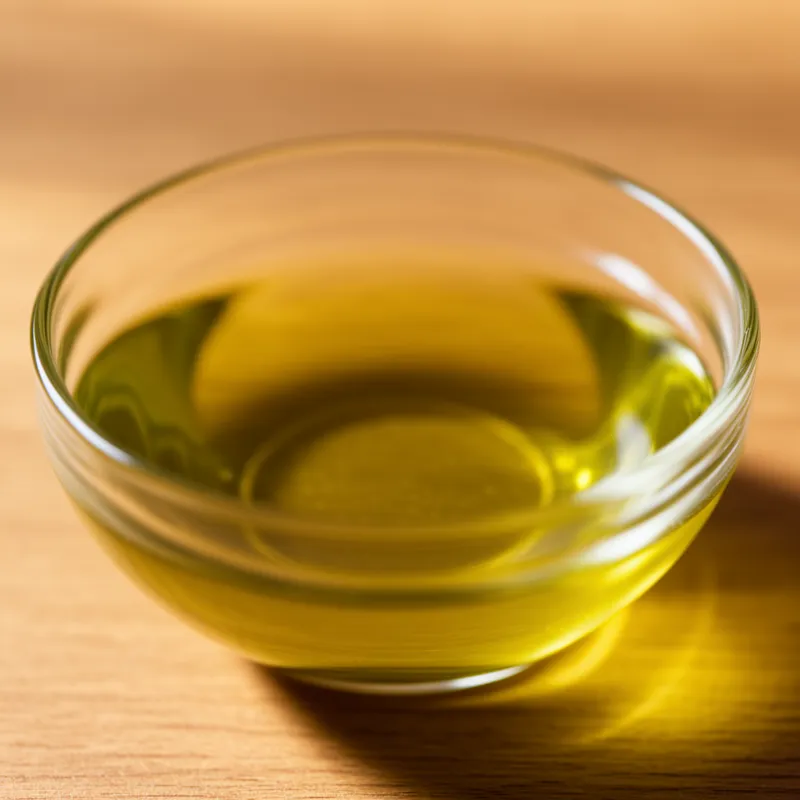 884 kcal