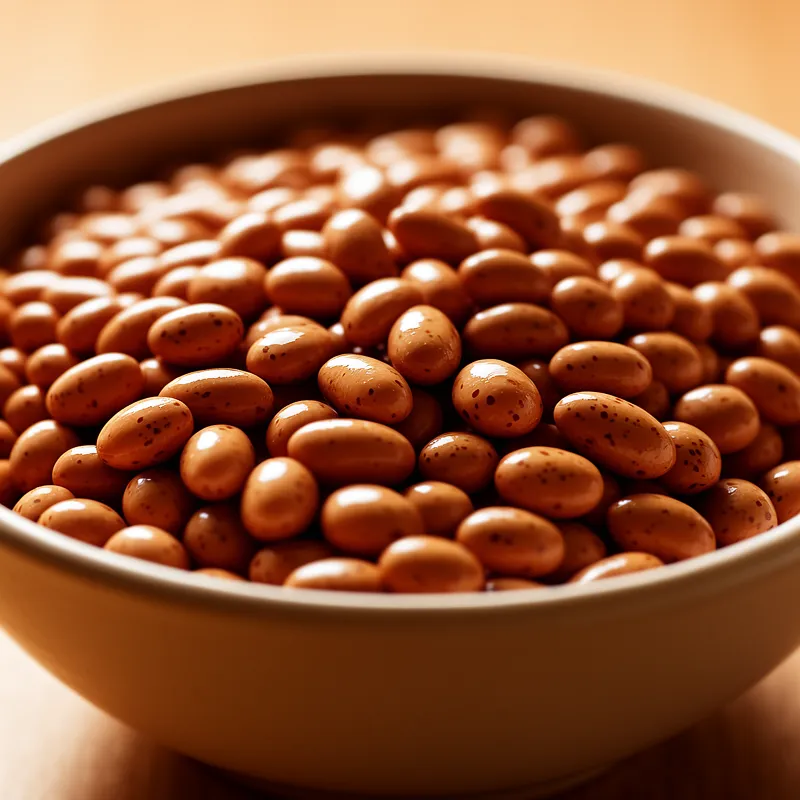
 117 kcal
 P 6.69g C 19.6g F 1.27g
Alkaline-treated corn flour that unlocked ancient Mesoamerican nutrition by making niacin bioavailable.
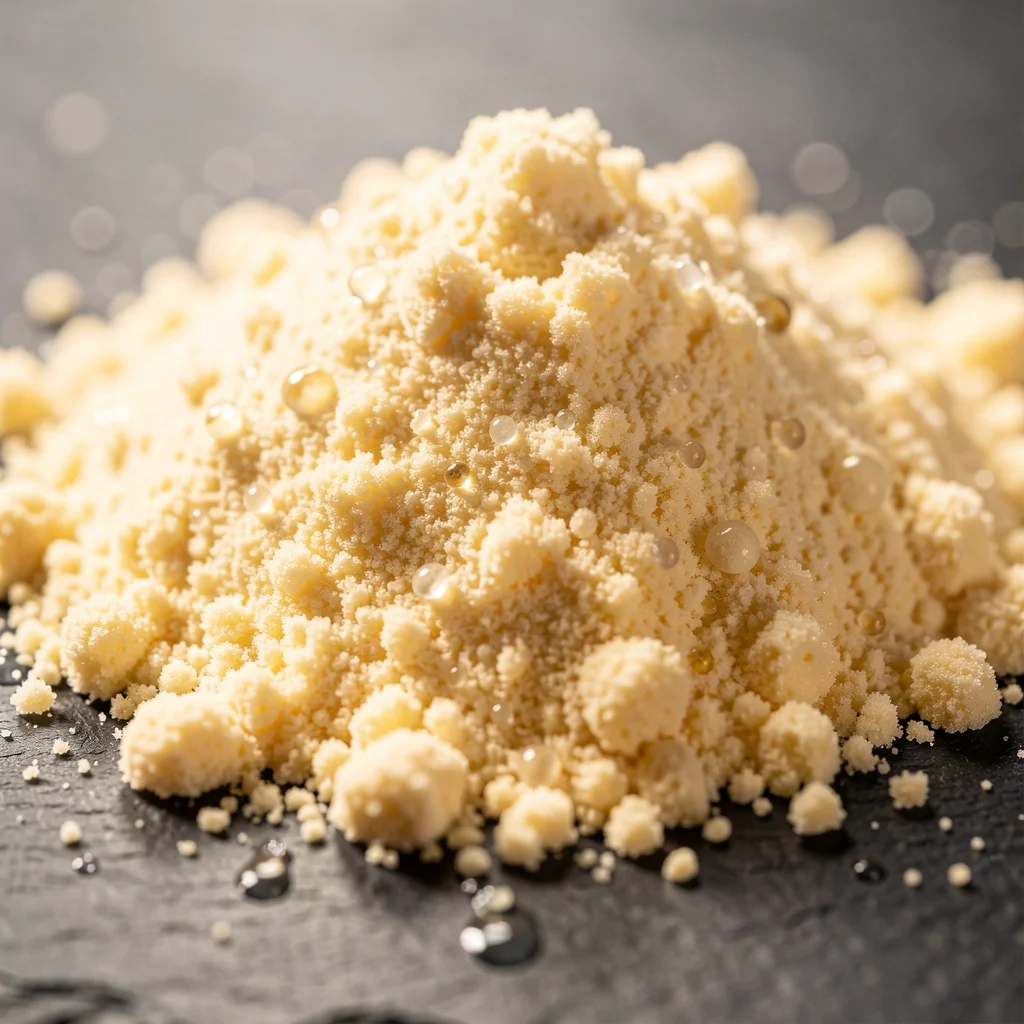
Masa harina is not simply finely milled corn; it is corn that has undergone nixtamalization, a process where dried maize is cooked and steeped in an alkaline solution—traditionally water and slaked lime (calcium hydroxide). This ancient Mesoamerican technique fundamentally alters the grain's biochemistry. Untreated corn contains niacin (vitamin B3) in a bound form that the human body cannot absorb. Historically, populations that relied heavily on untreated corn as a staple without the alkaline process suffered from pellagra, a severe niacin deficiency disease. Nixtamalization unbinds the niacin, making it bioavailable, while also significantly increasing the calcium content of the flour as the grain absorbs the lime. Additionally, the alkaline treatment partially dissolves the hemicellulose in the cell walls, transforming the corn into a cohesive dough (masa) that can hold its shape—something impossible with regular cornmeal. When this nixtamalized dough is dried and milled, it becomes masa harina. Rehydrating it with water instantly recreates the pliable dough used for tortillas, tamales, and pupusas, carrying forward a 3,500-year-old food chemistry innovation.
To prepare masa harina, simply mix it with warm water and a pinch of salt at roughly a 1:1 ratio by volume until it forms a smooth, playdough-like consistency. Let the dough rest for 15 to 30 minutes so the flour fully hydrates, preventing cracking when pressed. Use it immediately to press into tortillas or shape into tamales and pupusas. Store dry masa harina in an airtight container in a cool, dark pantry to prevent the natural fats in the corn from going rancid.
Per 100g — daily values based on a 2,000 calorie diet
CalRay's AI recognizes corn flour and hundreds of thousands of other foods from a photo. No manual lookup needed.
Corn flour, masa harina, white or yellow, dry contains 376 calories per 100g. A standard serving of 1 RACC (30g) provides 113 calories. It is relatively calorie-dense, so portion control is important.
Corn flour, masa harina, white or yellow, dry provides 7.56g of protein per 100g, which is 15% of the 50g daily recommended value. It is not a primary protein source.
Corn flour, masa harina, white or yellow, dry contains 76.7g of carbohydrates per 100g . It also provides 7.04g of dietary fiber.
Corn flour, masa harina, white or yellow, dry has 376 kcal per 100g, so portions need to be monitored on a weight-loss diet. Use CalRay to track your intake accurately. Its fiber content (7.04g/100g) also promotes fullness.
The easiest way to track corn flour is with CalRay. Simply snap a photo of your meal and the AI will automatically identify the food and calculate calories and macros based on the estimated portion size — no manual lookup required. You can also search by name and adjust gram weight manually.
117 kcal 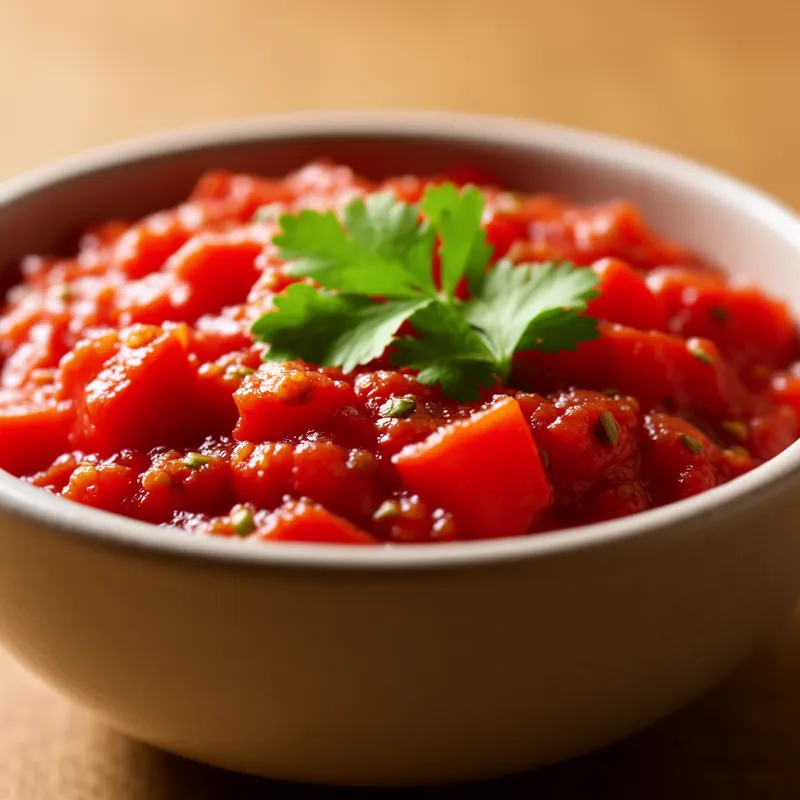 29 kcal
 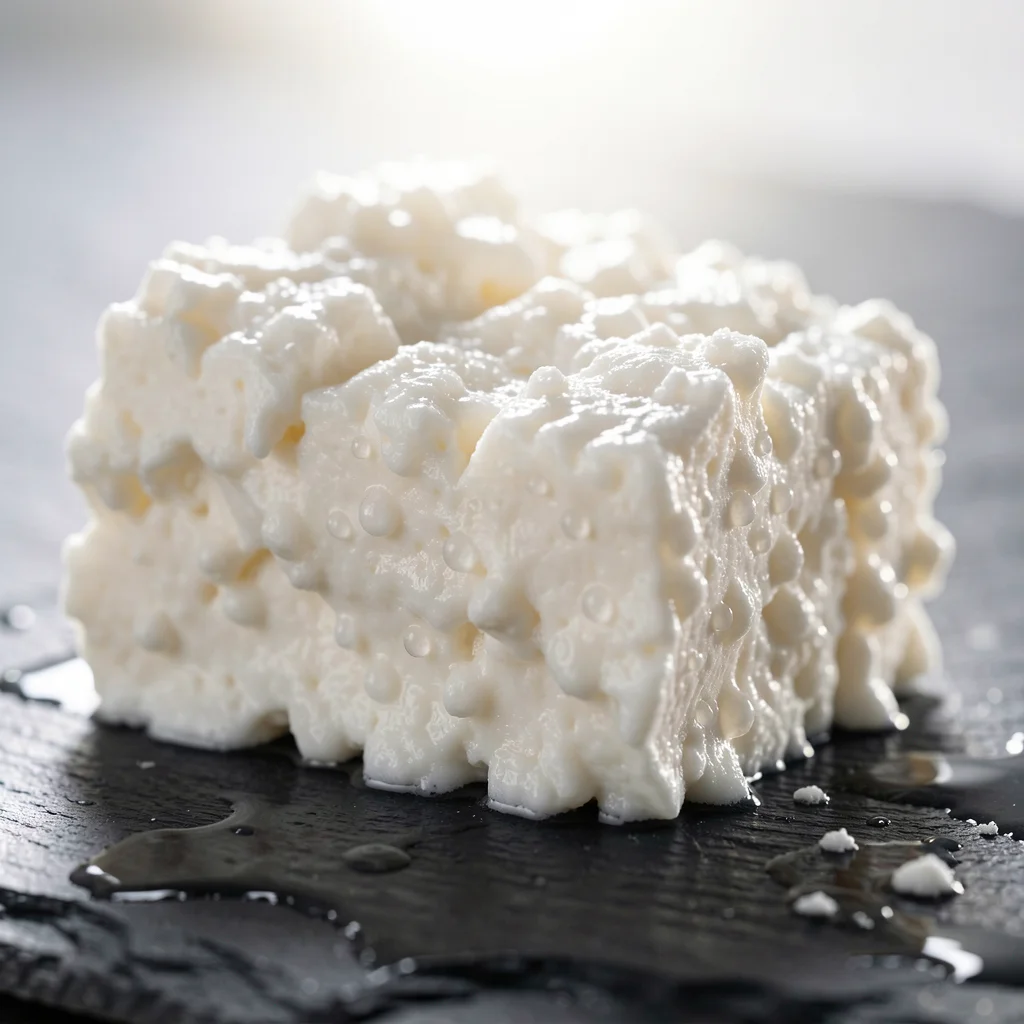 298 kcal