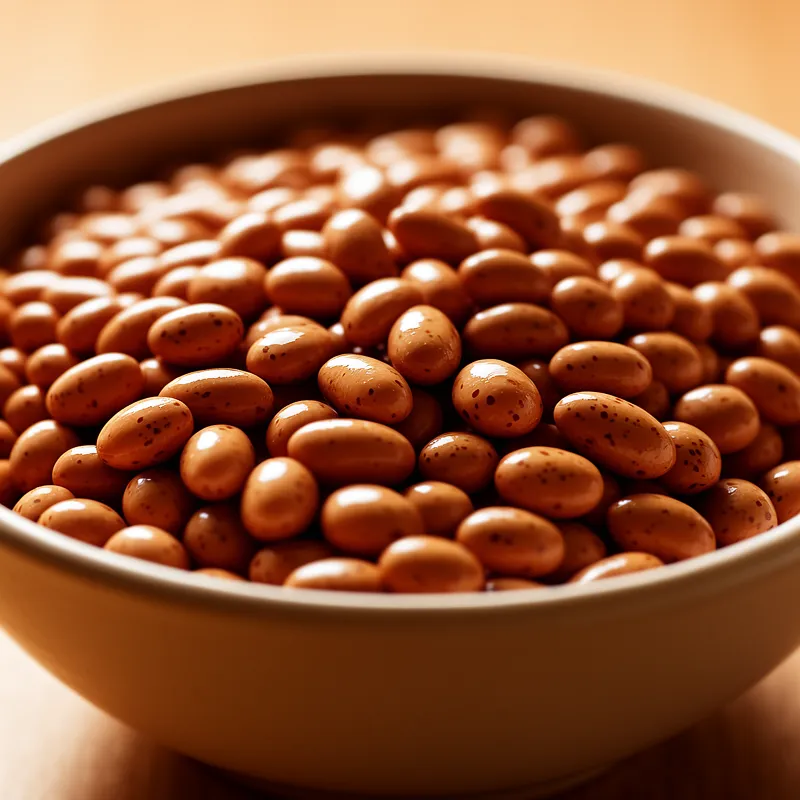
 117 kcal
 P 6.69g C 19.6g F 1.27g
This fresh, unaged cheese famously refuses to melt, instead softening into a crumbly, cooling blanket over hot dishes.
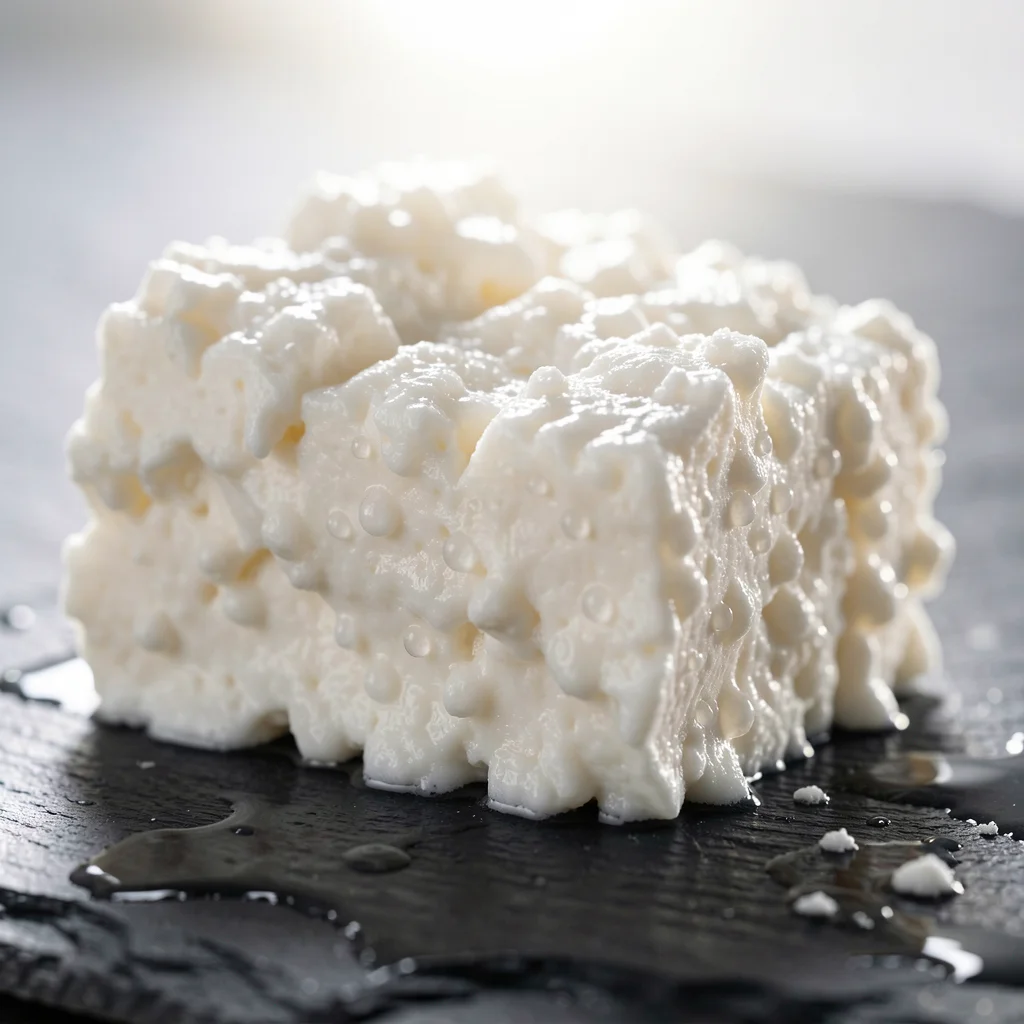
Queso fresco, translating literally to "fresh cheese," is a staple of Mexican cuisine traditionally made from raw cow's milk or a blend of cow and goat milk. Unlike aged cheeses like cheddar or gouda, queso fresco is meant to be eaten within days of production. Its most defining culinary characteristic is its resistance to melting. This happens because of its chemistry: the cheese is produced using acid-based coagulation—often with rennet and an acid like vinegar or lemon juice—rather than purely enzymatic coagulation. This process creates a protein matrix that is tightly bound but lacks the fat-water emulsion structure required for melting. When exposed to high heat, the proteins don't relax and flow into a liquid state; instead, they simply expel moisture and firm up. The high moisture content gives it a spongy, crumbly texture, while the lack of aging means it retains a mild, milky, and slightly tangy flavor profile. Because it holds its shape under heat, it is uniquely suited for crumbling over hot dishes, where it provides a cooling contrast rather than a gooey, stringy texture.
Because queso fresco does not melt, use it as a finishing cheese rather than a melting one. Crumble it generously over hot tacos, enchiladas, or roasted vegetables just before serving; the contrast between the hot dish and the cool, salty cheese elevates the texture. Store it tightly wrapped in the refrigerator and consume within a week of opening, as its high moisture content makes it prone to rapid spoilage. Pair it with fiber-rich beans or fresh tomatoes to balance its high sodium and fat content.
Per 100g — daily values based on a 2,000 calorie diet
CalRay's AI recognizes cheese and hundreds of thousands of other foods from a photo. No manual lookup needed.
Cheese, queso fresco, solid contains 298 calories per 100g. A standard serving of 1 RACC (30g) provides 89 calories. It is relatively calorie-dense, so portion control is important.
Cheese, queso fresco, solid provides 18.9g of protein per 100g, which is 38% of the 50g daily recommended value. It is a good source of protein.
Cheese, queso fresco, solid contains 2.96g of carbohydrates per 100g .
Cheese, queso fresco, solid has 298 kcal per 100g, so portions need to be monitored on a weight-loss diet. Use CalRay to track your intake accurately. Its high protein content (18.9g/100g) helps with satiety.
The easiest way to track cheese is with CalRay. Simply snap a photo of your meal and the AI will automatically identify the food and calculate calories and macros based on the estimated portion size — no manual lookup required. You can also search by name and adjust gram weight manually.
117 kcal 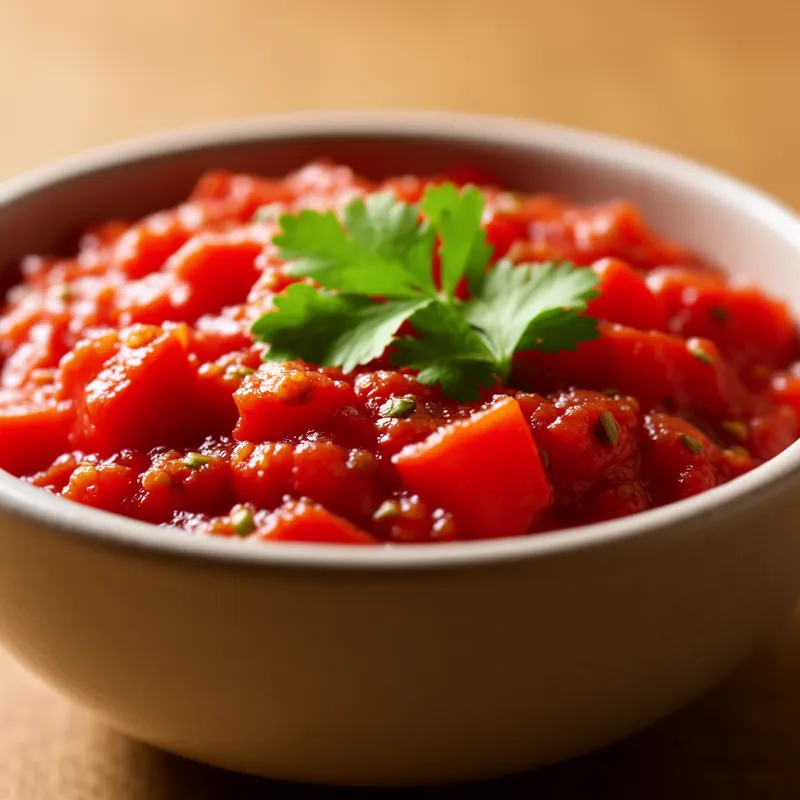 29 kcal
 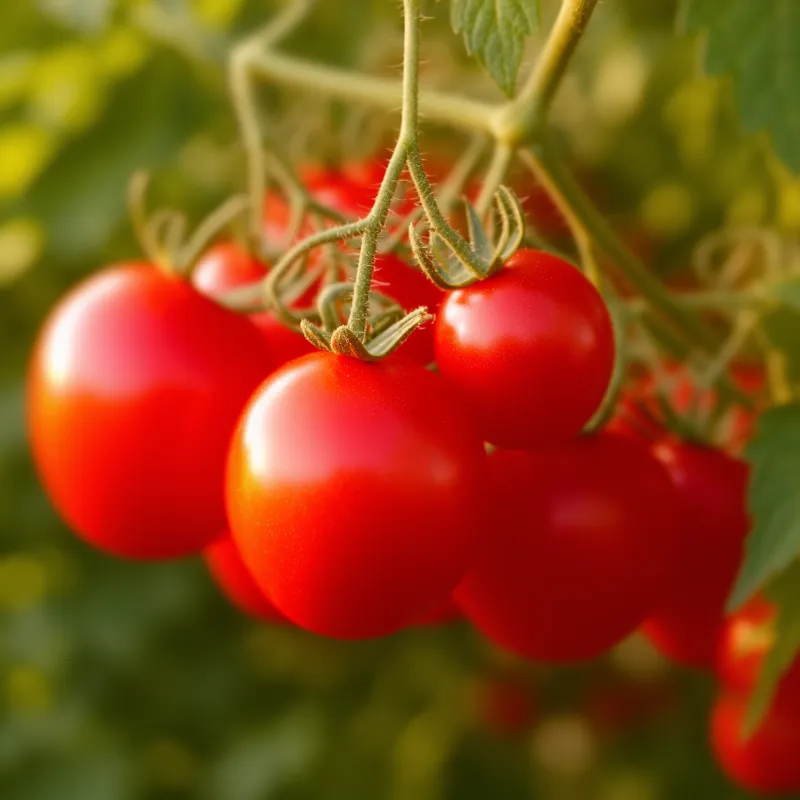 27 kcal