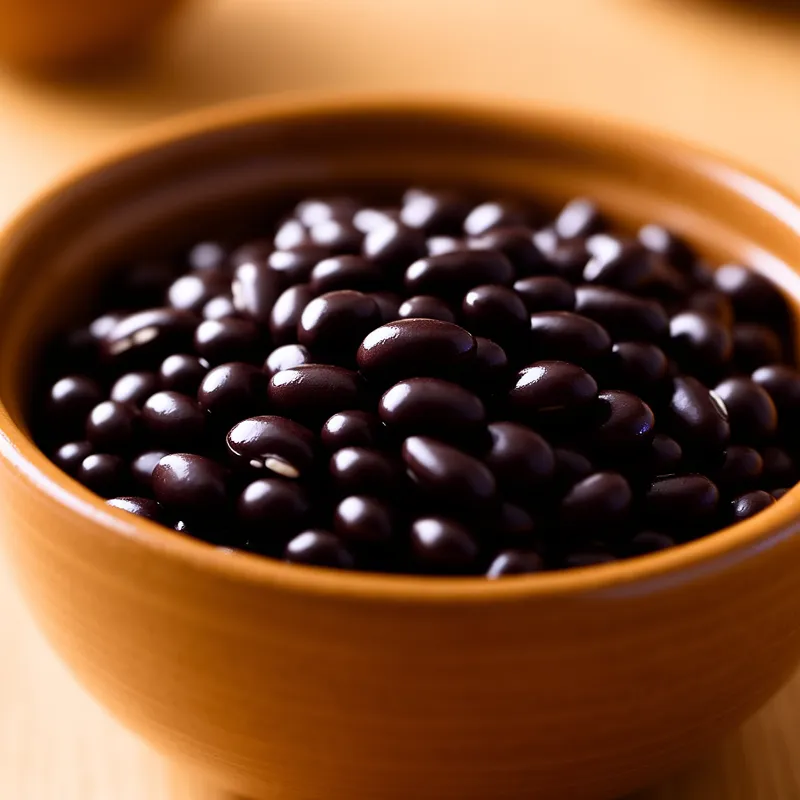
 118 kcal
 P 6.91g C 19.8g F 1.27g
A light frost doesn't just survive in this leaf — it actively makes it sweeter by triggering an internal starch-to-sugar conversion.
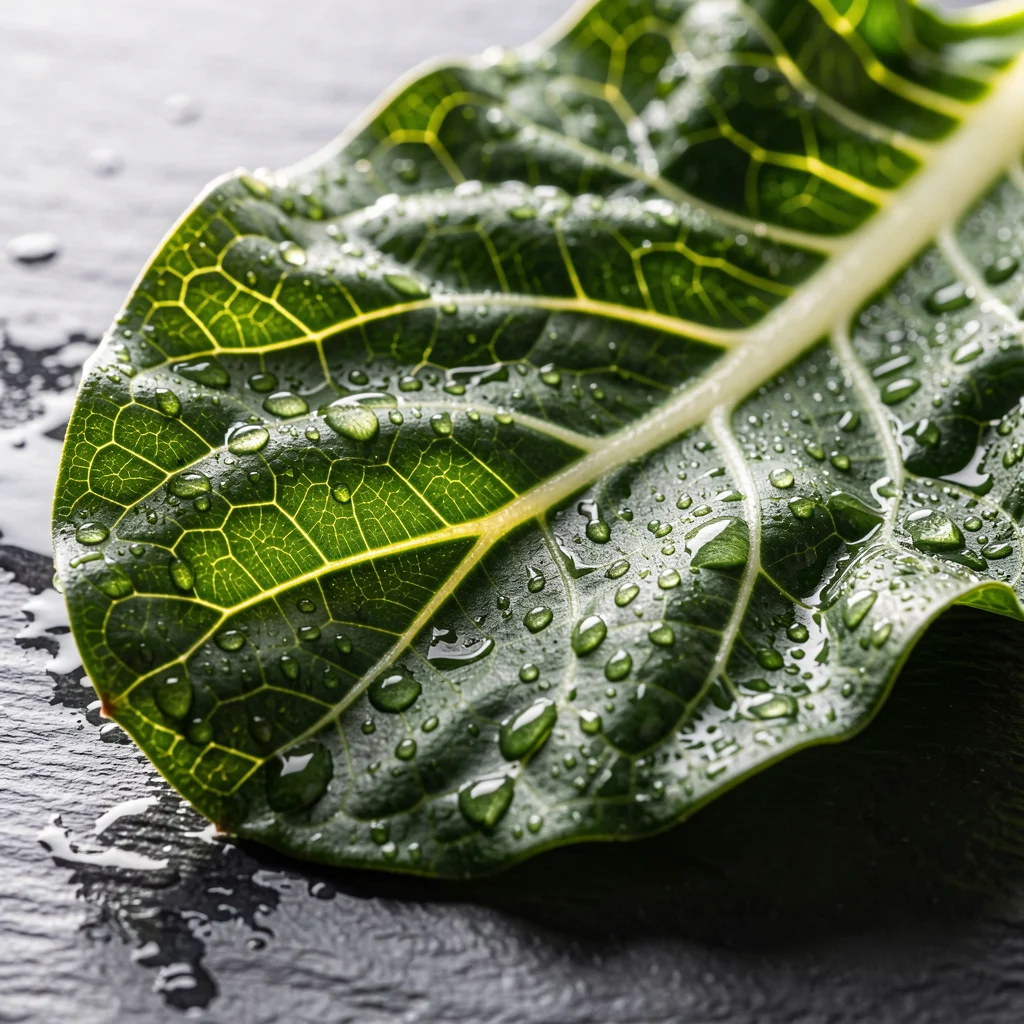
Collards belong to Brassica oleracea, the same species as cabbage, kale, and broccoli, but they are among the oldest cultivated forms — non-heading, loose-leaf plants that predate headed cabbage by centuries. The word "collard" derives from "colewort," an Old English term meaning simply "cabbage plant." What sets collards apart botanically is their remarkable cold tolerance: when temperatures drop near freezing, the plant converts stored starches into soluble sugars, which lowers the freezing point of cellular fluid and acts as a natural antifreeze. This is why gardeners and Southern cooks insist collards taste best after the first frost — the chemistry confirms it. Nutritionally, collards offer a notable advantage over spinach in calcium bioavailability. Spinach contains high levels of oxalic acid, which binds calcium and sharply reduces absorption. Collards have far lower oxalate content, making their calcium substantially more absorbable. They also concentrate glucosinolates, sulfur-containing compounds that break down into isothiocyanates during chopping and chewing, compounds studied for their role in activating detoxification enzymes in the liver.
To maximize nutrition, chop collards and let them sit 5–10 minutes before cooking — this allows the enzyme myrosinase to convert glucosinolates into beneficial isothiocyanates. Strip leaves from tough central stems, then braise slowly in broth or sauté with olive oil, which helps absorb their fat-soluble vitamins A and K. A splash of vinegar or lemon juice at the end brightens earthy bitterness. Store unwashed bunches in a damp towel refrigerated for up to four days.
Per 100g — daily values based on a 2,000 calorie diet
CalRay's AI recognizes collards and hundreds of thousands of other foods from a photo. No manual lookup needed.
Collards contains 47 calories per 100g. A standard serving of 1 RACC (85g) provides 40 calories. It is considered a very low-calorie food (under 50 kcal/100g), making it excellent for weight management.
Collards provides 2.97g of protein per 100g, which is 6% of the 50g daily recommended value. It is not a primary protein source.
Collards contains 7.02g of carbohydrates per 100g . It also provides 3.82g of dietary fiber.
Yes! Collards is very low in calories (47 kcal/100g) and can be eaten in generous portions even on a calorie-restricted diet. Its fiber content (3.82g/100g) also promotes fullness.
The easiest way to track collards is with CalRay. Simply snap a photo of your meal and the AI will automatically identify the food and calculate calories and macros based on the estimated portion size — no manual lookup required. You can also search by name and adjust gram weight manually.
118 kcal 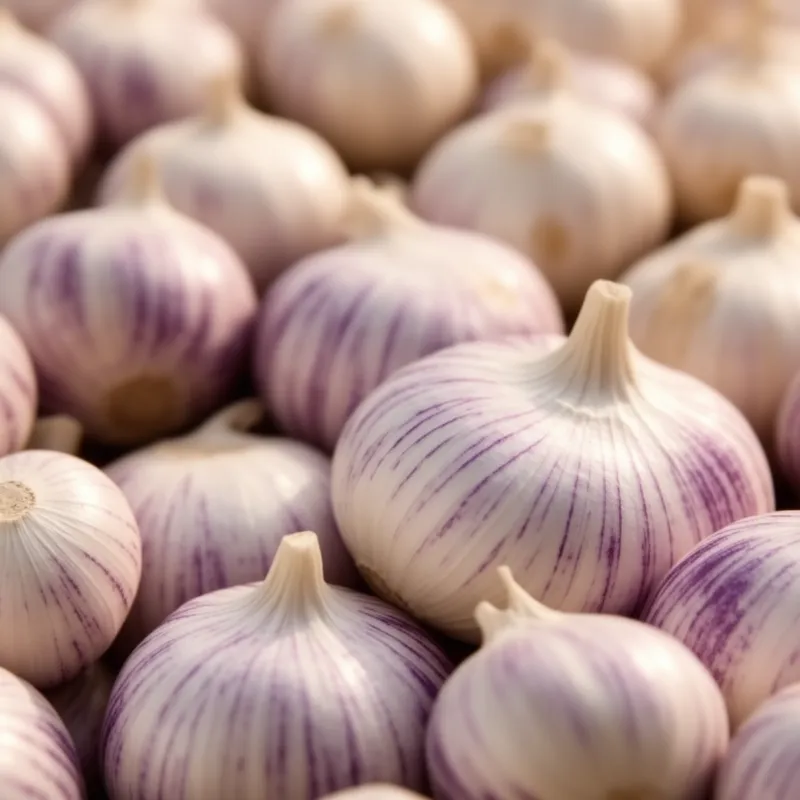 143 kcal
 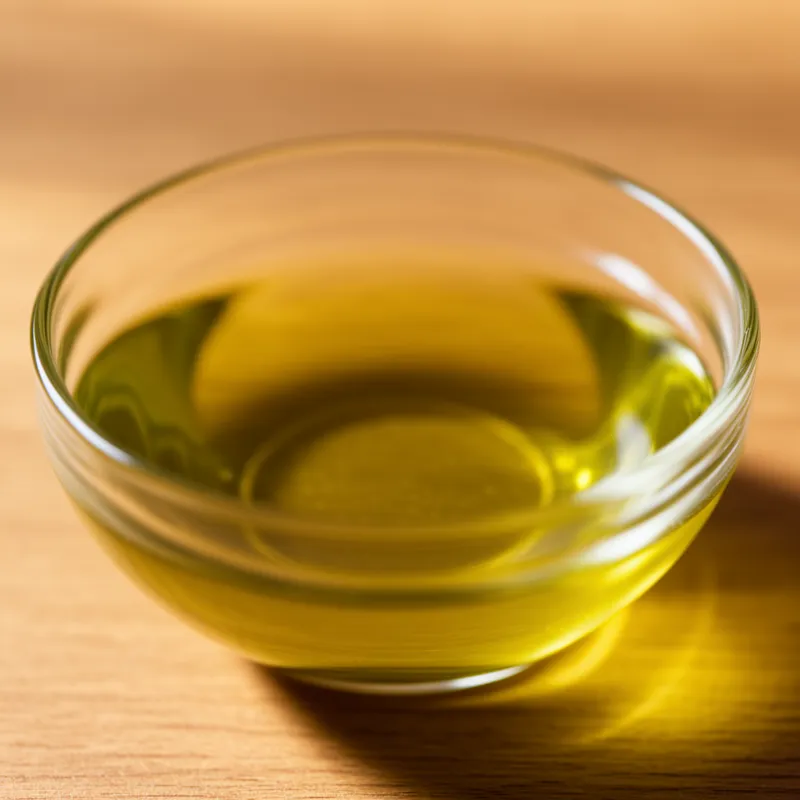 884 kcal