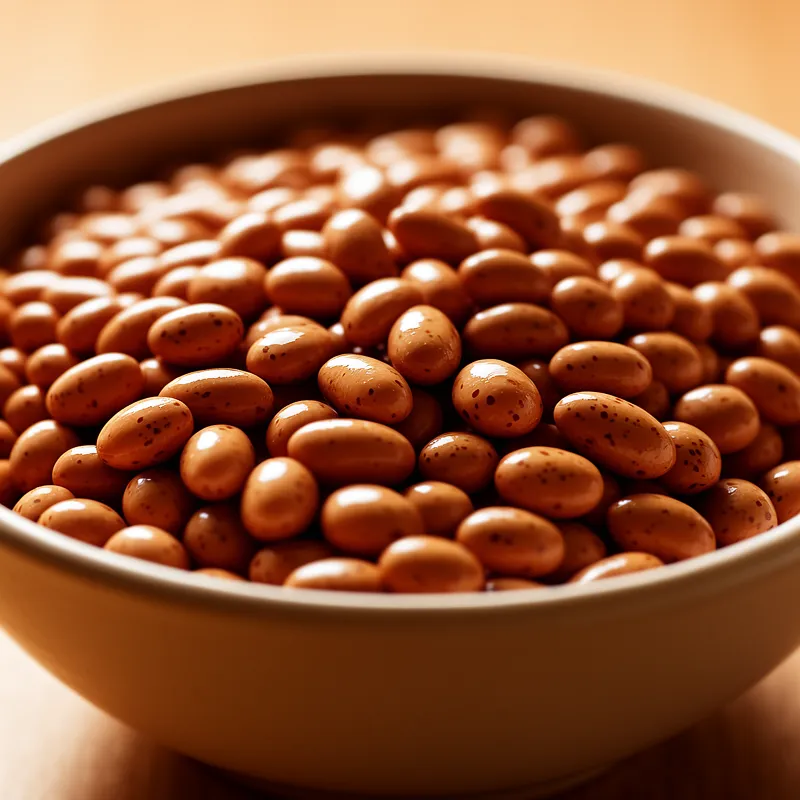
 117 kcal
 P 6.69g C 19.6g F 1.27g
This crumbly, low-moisture cheese concentrates milk protein by shedding nearly half its water weight.
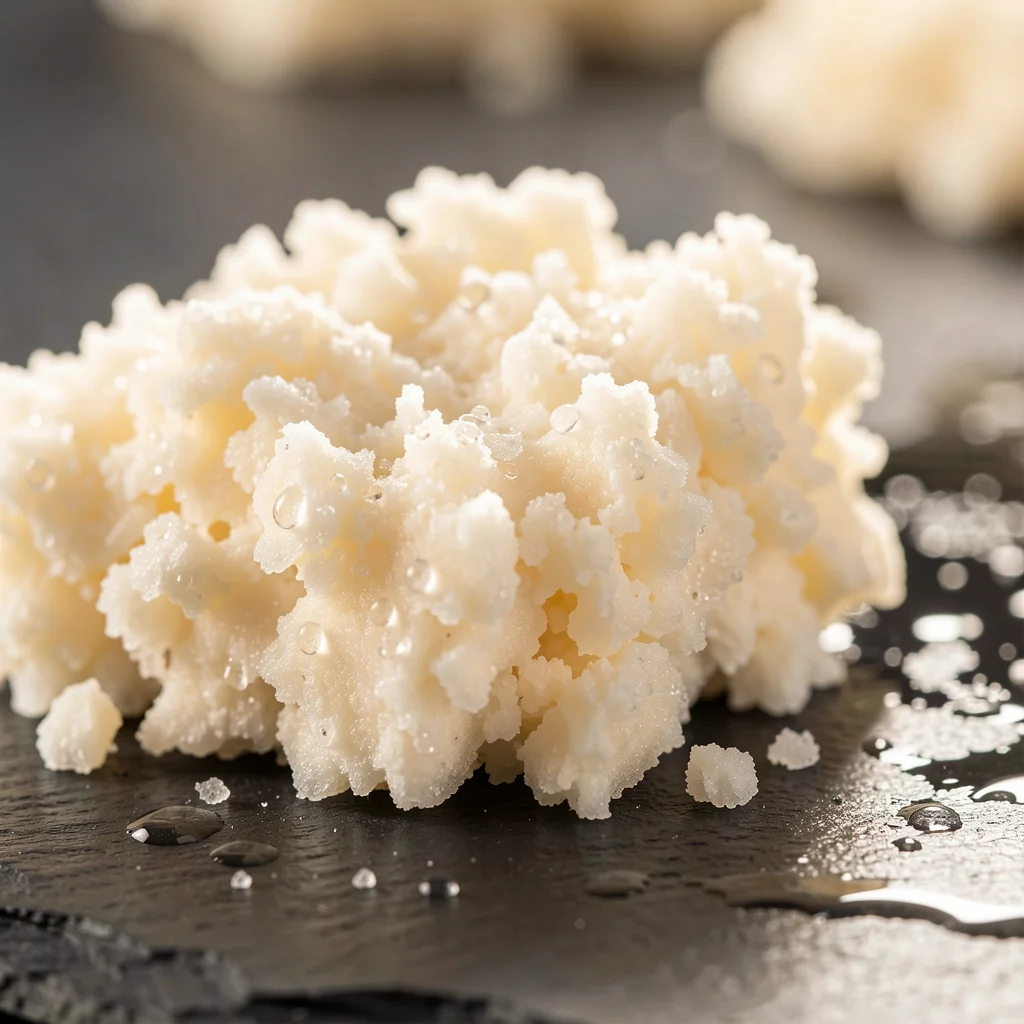
Queso seco, translating to dry cheese, is traditionally made by pressing curds extensively to expel whey, which contains the majority of milk's lactose and water. Because the whey is drained away, the remaining cheese has a remarkably low carbohydrate content and a dense concentration of casein protein and milk fat. This low-moisture environment creates an inhospitable landscape for many spoilage bacteria, allowing the cheese to be preserved without refrigeration in arid climates. This preservation technique was historically vital for transporting dairy over long distances before modern cold chains existed. During the pressing and aging phase, enzymes naturally present in the milk break down casein proteins into smaller peptides and free amino acids. This proteolysis gives dry white cheeses their characteristic sharp, savory, and slightly tangy flavor profile. Because the lactose is expelled with the whey, queso seco is often better tolerated by those with mild lactose sensitivity compared to fresh, high-moisture cheeses. The resulting dense matrix of fat and protein yields a high energy density, making it a historically valuable staple for agricultural workers who needed shelf-stable, calorie-dense foods.
Because of its low moisture and crumbly texture, queso seco is best used as a grating or finishing cheese rather than a melting cheese. Grate it over hearty bean dishes, roasted vegetables, or salads to add a sharp, savory kick without introducing excess liquid. Store it tightly wrapped in the refrigerator to prevent further moisture loss and hardening. Pairing it with fiber-rich foods like beans helps balance its high sodium and fat content, slowing down digestion and providing sustained energy.
Per 100g — daily values based on a 2,000 calorie diet
CalRay's AI recognizes cheese and hundreds of thousands of other foods from a photo. No manual lookup needed.
Cheese, dry white, queso seco contains 326 calories per 100g. A standard serving of 1 cup (97.3g) provides 317 calories. It is relatively calorie-dense, so portion control is important.
Cheese, dry white, queso seco provides 24.5g of protein per 100g, which is 49% of the 50g daily recommended value. It is an excellent source of protein.
Cheese, dry white, queso seco contains 2.07g of carbohydrates per 100g .
Cheese, dry white, queso seco has 326 kcal per 100g, so portions need to be monitored on a weight-loss diet. Use CalRay to track your intake accurately. Its high protein content (24.5g/100g) helps with satiety.
The easiest way to track cheese is with CalRay. Simply snap a photo of your meal and the AI will automatically identify the food and calculate calories and macros based on the estimated portion size — no manual lookup required. You can also search by name and adjust gram weight manually.
117 kcal 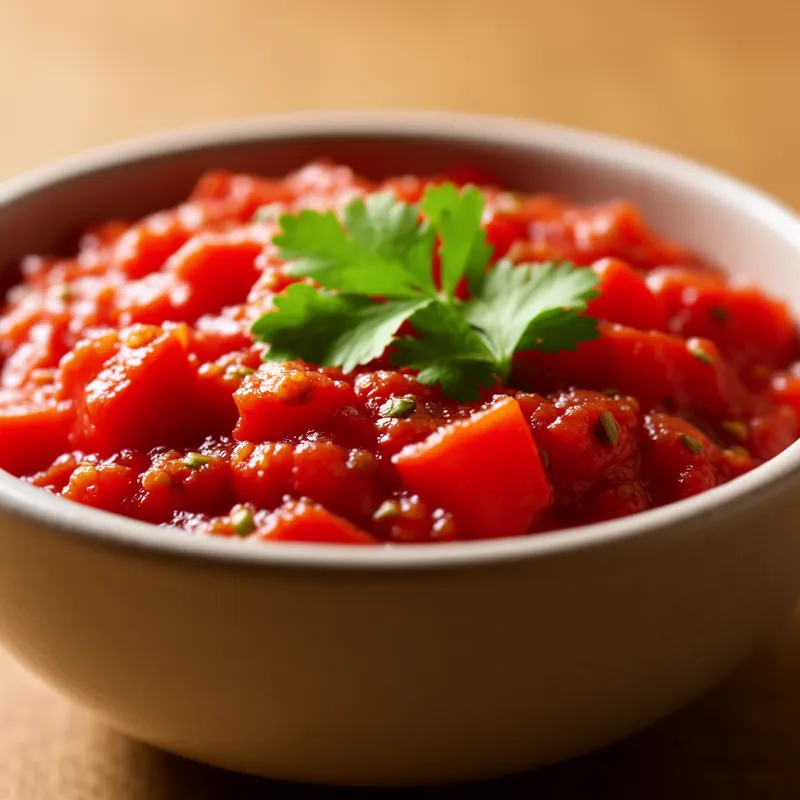 29 kcal
 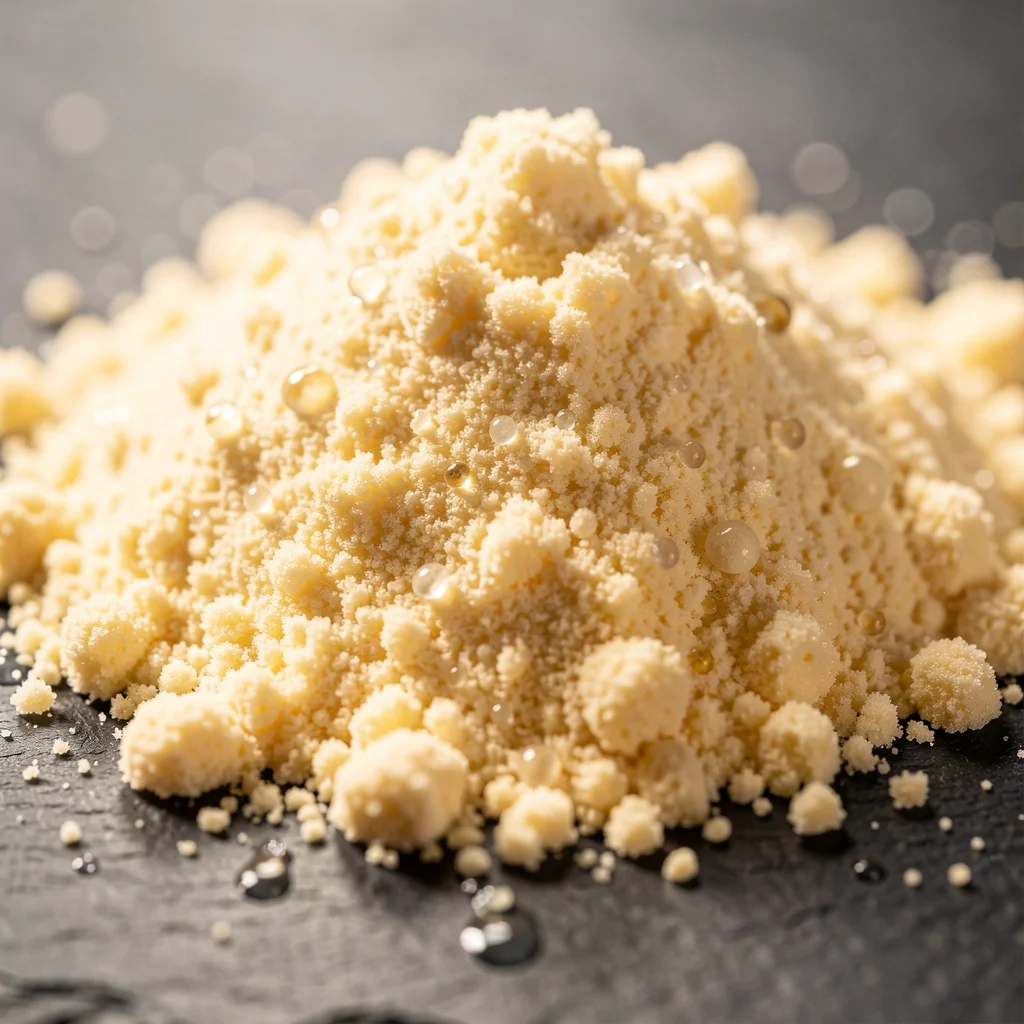 376 kcal