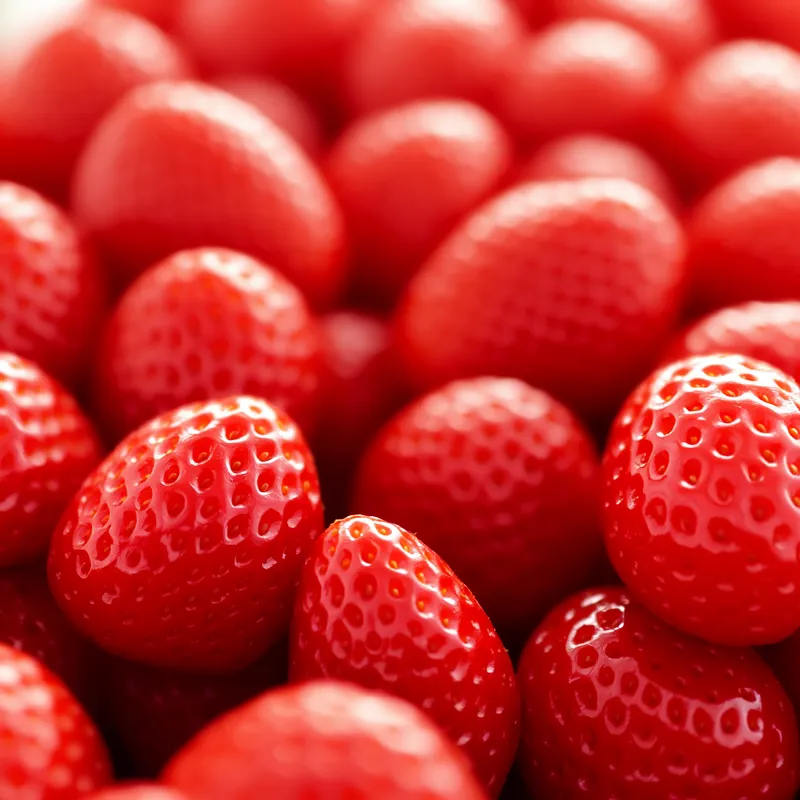
 36 kcal
 P 0.64g C 7.96g F 0.22g
Greek yogurt's signature thickness comes from straining away whey, a process that also doubles its protein compared to regular yogurt.
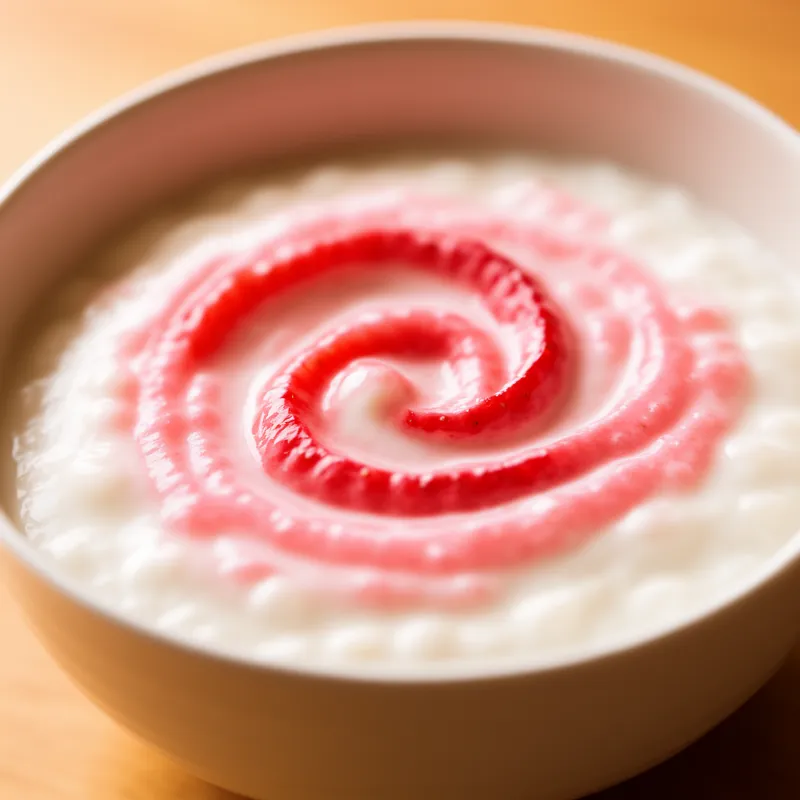
Greek yogurt is distinct from traditional yogurt because of a crucial straining step. After bacterial fermentation, the yogurt is strained through a cloth or filter to remove the liquid whey. This process concentrates the milk solids, resulting in a thicker texture and a significantly higher protein content per gram. In the case of nonfat strawberry varieties, the milk used has been skimmed of cream before fermentation, keeping the fat content near zero while retaining the dense protein structure. The strawberry flavoring typically comes from fruit preserves or purees added post-fermentation. The natural lactose sugars in the milk provide food for the Lactobacillus and Streptococcus bacteria, which convert them into lactic acid. This acid drops the pH, causing the milk proteins to coagulate and form the initial gel. Because straining removes a portion of the lactose along with the whey, Greek yogurt often contains less lactose than its unstrained counterpart, making it easier to digest for some individuals with mild lactose sensitivity.
Store nonfat strawberry Greek yogurt in the refrigerator at or below 40°F, and consume it within a week of opening. While delicious on its own, it works exceptionally well as a base for smoothies because its strained thickness adds body without extra fat. You can also substitute it for sour cream or mayonnaise in baking recipes to reduce fat content while maintaining moisture, as the live cultures and acidity help tenderize baked goods.
Per 100g — daily values based on a 2,000 calorie diet
CalRay's AI recognizes yogurt and hundreds of thousands of other foods from a photo. No manual lookup needed.
Yogurt, Greek, strawberry, nonfat contains 83 calories per 100g. A standard serving of 1 container (150g) provides 125 calories. It is a moderate-calorie food that can fit into most healthy diets.
Yogurt, Greek, strawberry, nonfat provides 8.06g of protein per 100g, which is 16% of the 50g daily recommended value. It is not a primary protein source.
Yogurt, Greek, strawberry, nonfat contains 12.2g of carbohydrates per 100g . It also provides 0.6g of dietary fiber.
Yogurt, Greek, strawberry, nonfat has 83 kcal per 100g, which is relatively moderate. It can fit into a weight-loss diet as long as portion sizes are managed.
The easiest way to track yogurt is with CalRay. Simply snap a photo of your meal and the AI will automatically identify the food and calculate calories and macros based on the estimated portion size — no manual lookup required. You can also search by name and adjust gram weight manually.
36 kcal 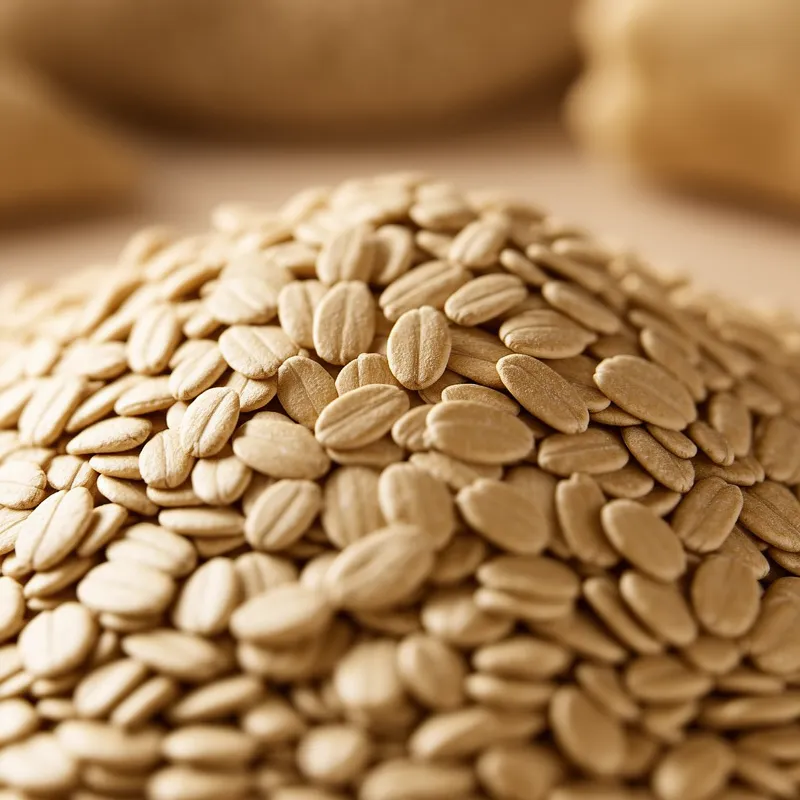 382 kcal
 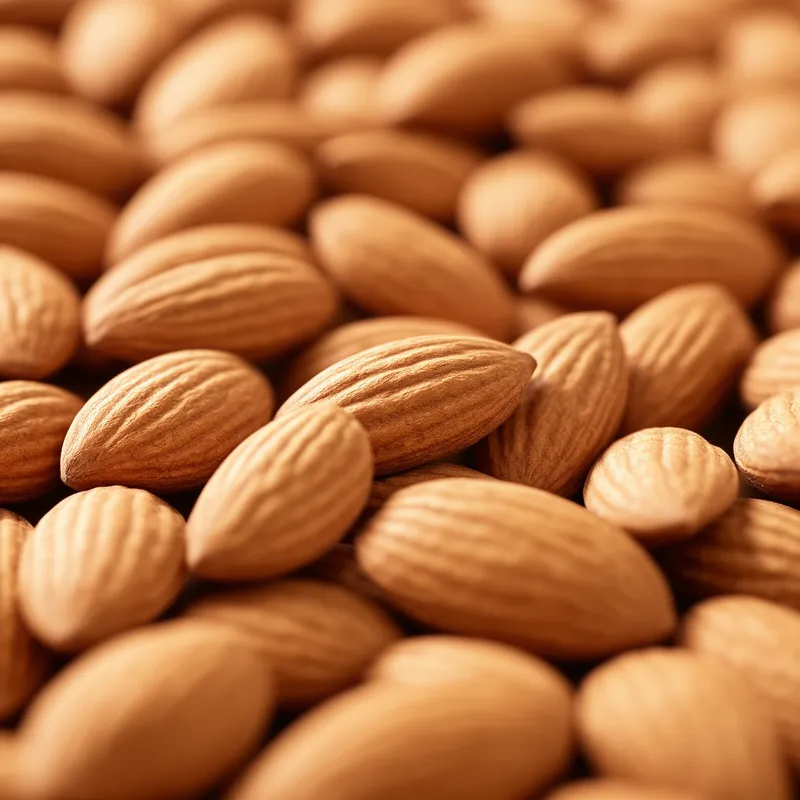 626 kcal