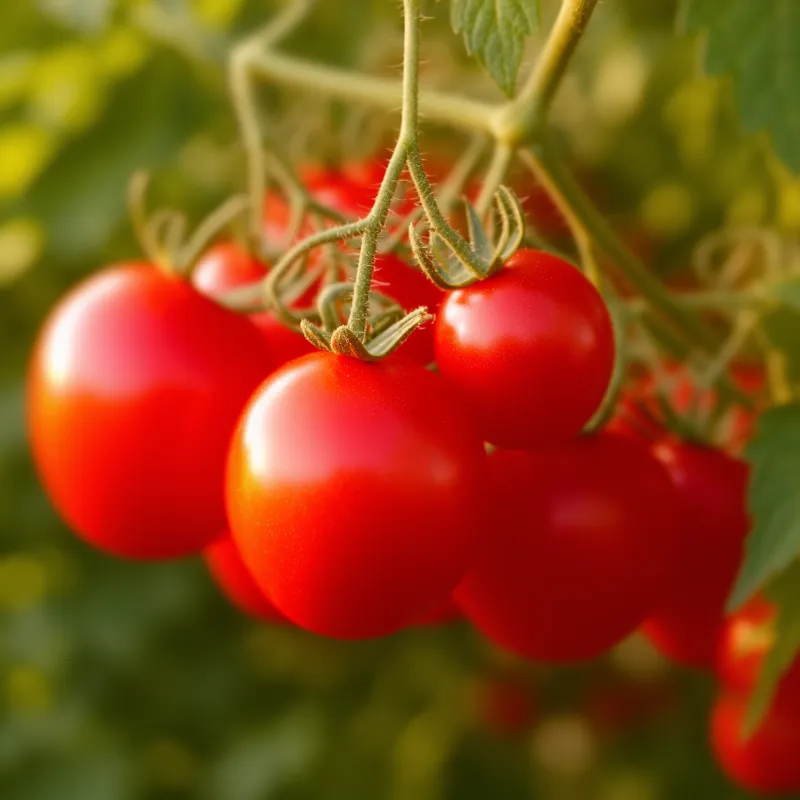
 27 kcal
 P 0.83g C 5.51g F 0.63g
Ahi tuna's deep red flesh comes from a high concentration of myoglobin, an oxygen-storing protein typically found in marine mammals.
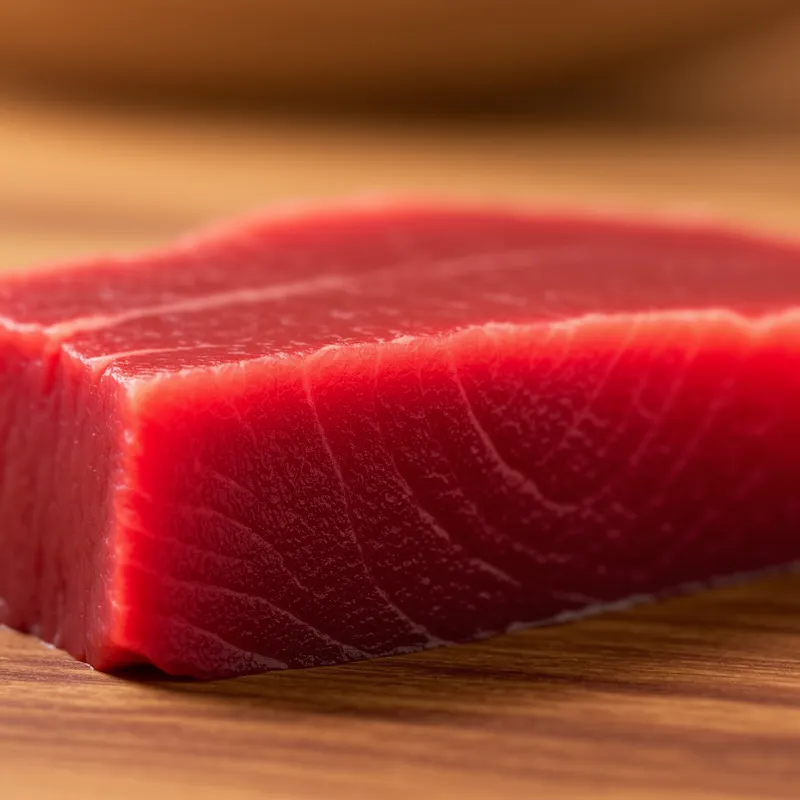
Yellowfin tuna (Thunnus albacares) possesses a unique vascular structure called a rete mirabile that allows them to retain metabolic heat. This adaptation keeps their core muscles significantly warmer than the surrounding ocean water, enabling them to hunt in colder depths. Because their muscles require a constant oxygen supply for sustained, high-speed cruising, their flesh is packed with myoglobin. This oxygen-binding protein gives ahi its characteristic deep red color, distinguishing it from the paler flesh of other fish. However, when exposed to air, the iron in myoglobin oxidizes, turning the meat brown. This is why fresh ahi steaks are sometimes treated with carbon monoxide to maintain a bright red appearance—a practice banned in some countries but permitted in the US. Unlike most fish, tuna do not possess true white flesh because they lack the typical slow-twitch muscle fibers used for leisurely swimming; their muscles are almost entirely fast-twitch, built for explosive speed and endurance.
Because ahi is exceptionally lean (less than 0.5g fat per 100g), it dries out rapidly if overcooked. For searing, pat the steak dry, coat lightly with an oil high in monounsaturated fats to prevent sticking, and sear briefly over high heat, leaving the center raw. Pair it with vitamin C-rich foods like tomatoes or citrus to help your body absorb the abundant non-heme iron present in the myoglobin. Consume fresh the same day, as freezing can alter the delicate texture.
Per 100g — daily values based on a 2,000 calorie diet
CalRay's AI recognizes tuna and hundreds of thousands of other foods from a photo. No manual lookup needed.
Tuna, ahi or yellowfin contains 102 calories per 100g. It is a moderate-calorie food that can fit into most healthy diets.
Tuna, ahi or yellowfin provides 24.7g of protein per 100g, which is 49% of the 50g daily recommended value. It is an excellent source of protein.
Tuna, ahi or yellowfin contains 0g of carbohydrates per 100g .
Tuna, ahi or yellowfin has 102 kcal per 100g, which is relatively moderate. It can fit into a weight-loss diet as long as portion sizes are managed. Its high protein content (24.7g/100g) helps with satiety.
The easiest way to track tuna is with CalRay. Simply snap a photo of your meal and the AI will automatically identify the food and calculate calories and macros based on the estimated portion size — no manual lookup required. You can also search by name and adjust gram weight manually.
27 kcal 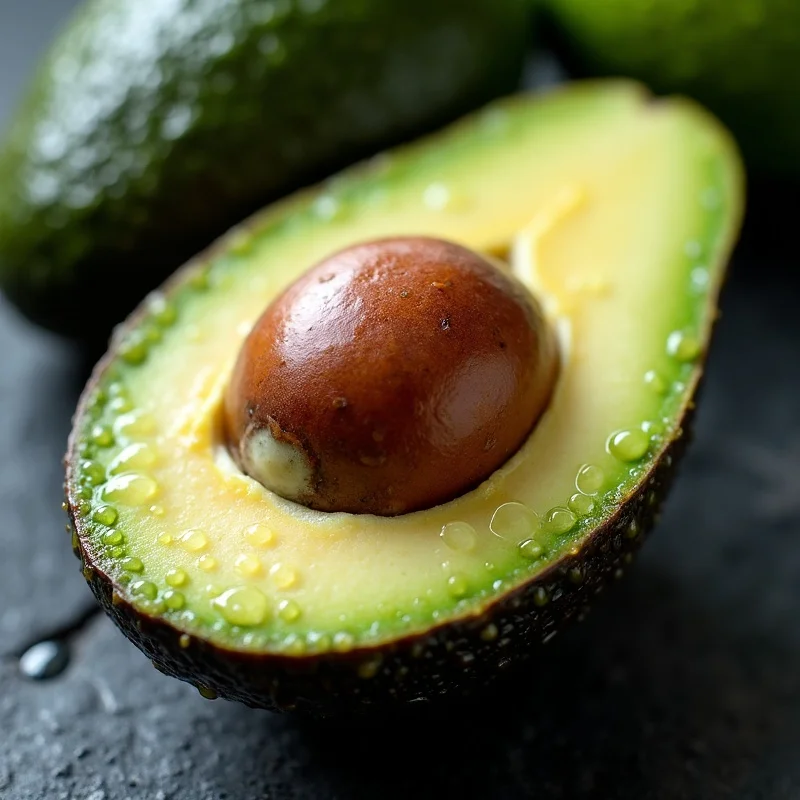 223 kcal
 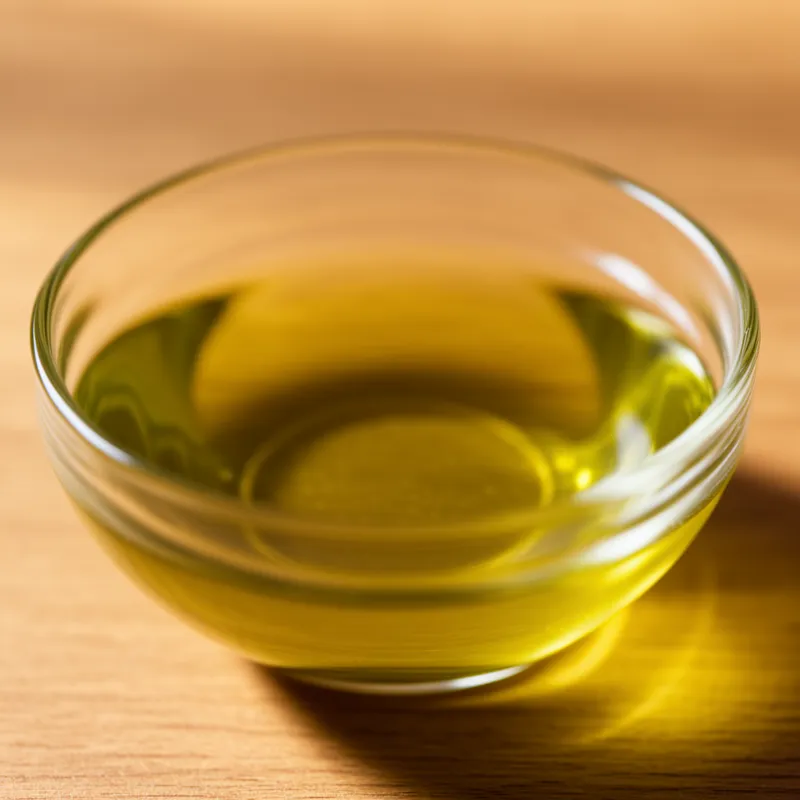 884 kcal