 884 kcal
 P 0g C 0g F 100g
Cooking tomatoes into sauce unlocks more lycopene than eating them raw ever could.
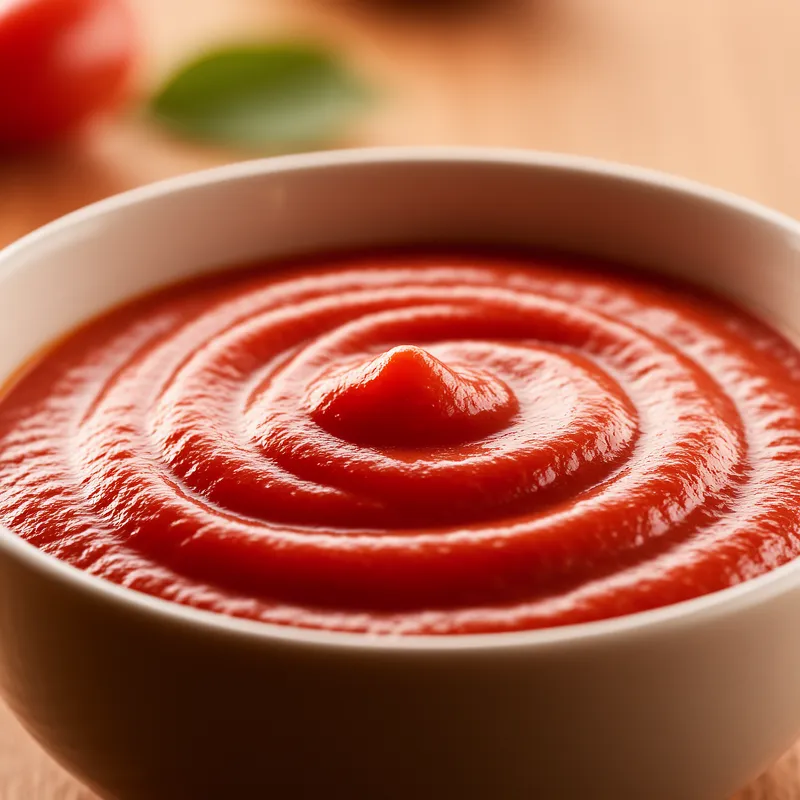
Raw tomatoes are healthy, but turning them into sauce makes one key nutrient dramatically more available: lycopene, the carotenoid pigment responsible for their red color. Lycopene is bound inside plant cell structures called chromoplasts. When tomatoes are heated and pureed into sauce, those cell walls rupture, freeing the lycopene and converting more of it from the trans isomer (poorly absorbed) into the cis isomer (far more bioavailable). Studies have shown that processed tomato products like sauce and paste yield significantly higher lycopene absorption than equivalent amounts of raw tomato. This is one of the rare cases where processing a vegetable actually improves its nutritional profile rather than degrading it. Lycopene is fat-soluble, meaning it requires dietary fat for intestinal absorption, so a tomato sauce consumed with oil or cheese delivers more usable lycopene than the same sauce eaten alone. This biochemical reality underpins the logic of countless Mediterranean dishes that combine cooked tomato with olive oil.
Use canned tomato sauce as a base for soups, stews, and braises, or simmer it down with garlic and olive oil for a quick pasta topping. Always add a source of fat—olive oil, butter, or cheese—during cooking or serving to maximize lycopene absorption. Avoid prolonged high-heat boiling, which can degrade vitamin C even as it improves lycopene availability. Store opened sauce in a glass container in the refrigerator for up to five days, or freeze in portions for longer shelf life.
Per 100g — daily values based on a 2,000 calorie diet
CalRay's AI recognizes tomato and hundreds of thousands of other foods from a photo. No manual lookup needed.
Tomato, sauce contains 34 calories per 100g. A standard serving of 1 RACC (130g) provides 44 calories. It is considered a very low-calorie food (under 50 kcal/100g), making it excellent for weight management.
Tomato, sauce provides 1.35g of protein per 100g, which is 3% of the 50g daily recommended value. It is not a primary protein source.
Tomato, sauce contains 6.33g of carbohydrates per 100g . It also provides 1.64g of dietary fiber.
Yes! Tomato, sauce is very low in calories (34 kcal/100g) and can be eaten in generous portions even on a calorie-restricted diet.
The easiest way to track tomato is with CalRay. Simply snap a photo of your meal and the AI will automatically identify the food and calculate calories and macros based on the estimated portion size — no manual lookup required. You can also search by name and adjust gram weight manually.
884 kcal  143 kcal
  421 kcal