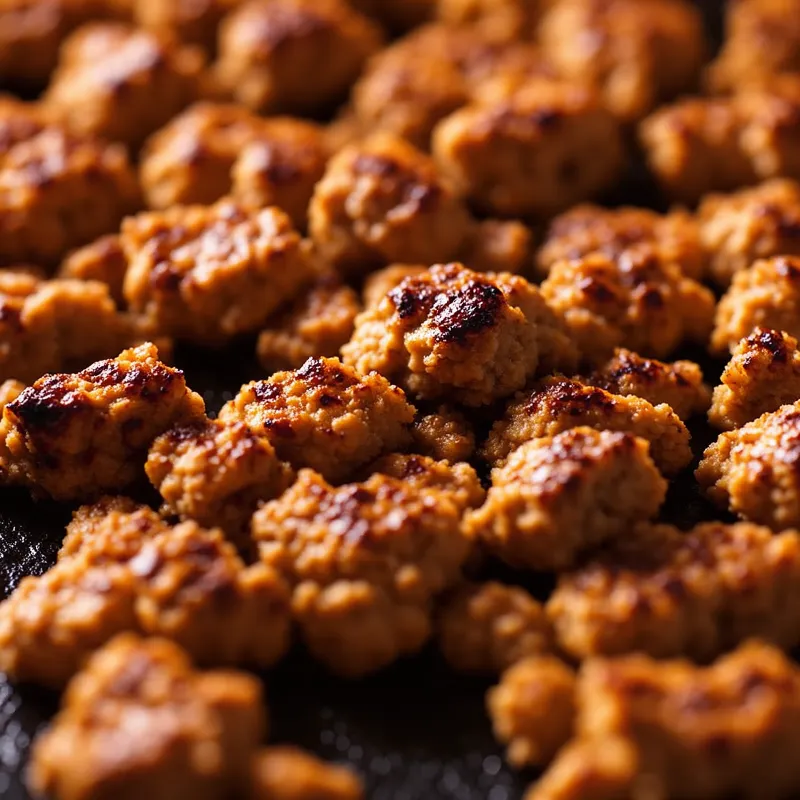
 220 kcal
 P 27.1g C 0g F 11.6g
Botanically, this winter squash belongs to the exact same species as zucchini, making it a summer squash in disguise.
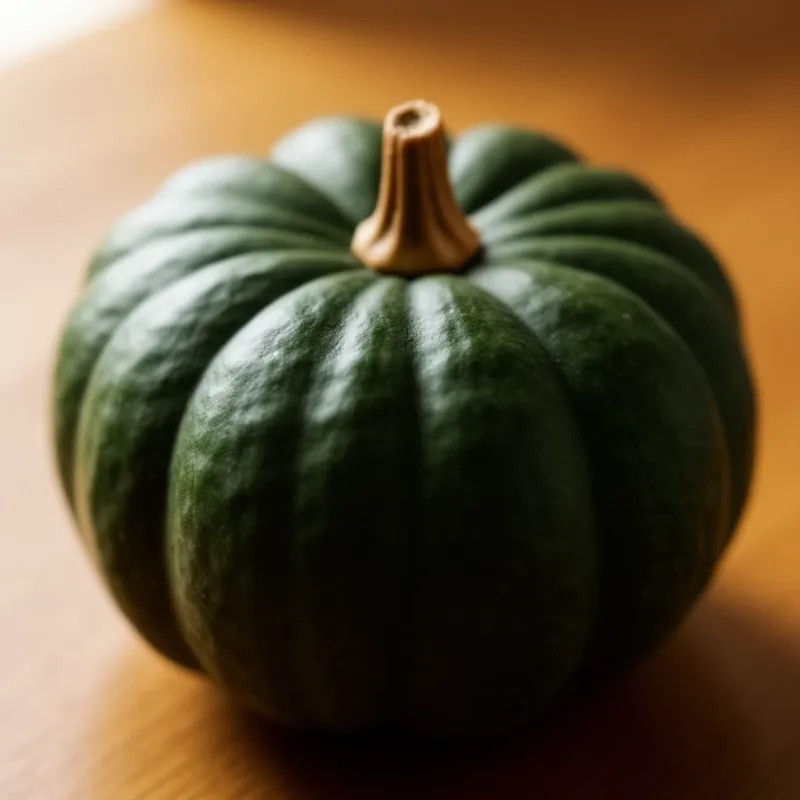
Despite its hard, ribbed shell and classification as a winter squash, the acorn squash is botanically a sibling to summer squashes like zucchini. Both belong to the species Cucurbita pepo, whereas other winter staples like butternut or hubbard squash belong to Cucurbita moschata or Cucurbita maxima. This shared lineage explains why acorn squash has a shorter storage life than its denser winter cousins and why its flesh is slightly more fibrous and watery. Indigenous peoples of the Americas cultivated these squashes for thousands of years, relying on their ability to be dried for winter sustenance. The squash's distinctive ridges make it notoriously difficult to peel, which is why it is most commonly halved and roasted with the skin intact. While the skin is technically edible and softens considerably with prolonged roasting, most diners discard it. The deep green exterior is also not a reliable indicator of ripeness; a ripe acorn squash will have a spot of orange where it rested on the ground.
Halve acorn squash lengthwise and scoop out the seeds before roasting cut-side down at 400°F for 40-50 minutes to caramelize the natural sugars. Its mild, slightly sweet flesh pairs exceptionally well with savory, fat-rich ingredients that enhance the absorption of its fat-soluble beta-carotene. Try stuffing the roasted halves with a mixture of cooked ground turkey or black beans, topped with a sprinkle of grated Parmesan. Store uncut squash in a cool, dark place for up to a month.
Per 100g — daily values based on a 2,000 calorie diet
CalRay's AI recognizes squash and hundreds of thousands of other foods from a photo. No manual lookup needed.
Squash, winter, acorn contains 49 calories per 100g. A standard serving of 1 RACC (85g) provides 42 calories. It is considered a very low-calorie food (under 50 kcal/100g), making it excellent for weight management.
Squash, winter, acorn provides 1.25g of protein per 100g, which is 3% of the 50g daily recommended value. It is not a primary protein source.
Squash, winter, acorn contains 10.5g of carbohydrates per 100g . It also provides 2.64g of dietary fiber.
Yes! Squash, winter, acorn is very low in calories (49 kcal/100g) and can be eaten in generous portions even on a calorie-restricted diet.
The easiest way to track squash is with CalRay. Simply snap a photo of your meal and the AI will automatically identify the food and calculate calories and macros based on the estimated portion size — no manual lookup required. You can also search by name and adjust gram weight manually.
220 kcal 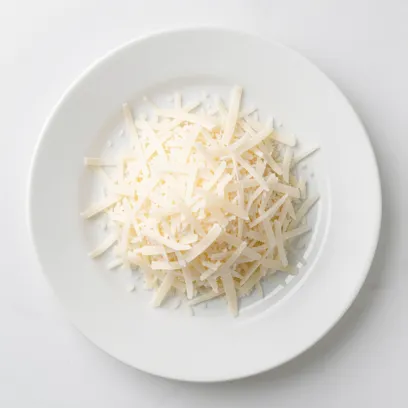 421 kcal
 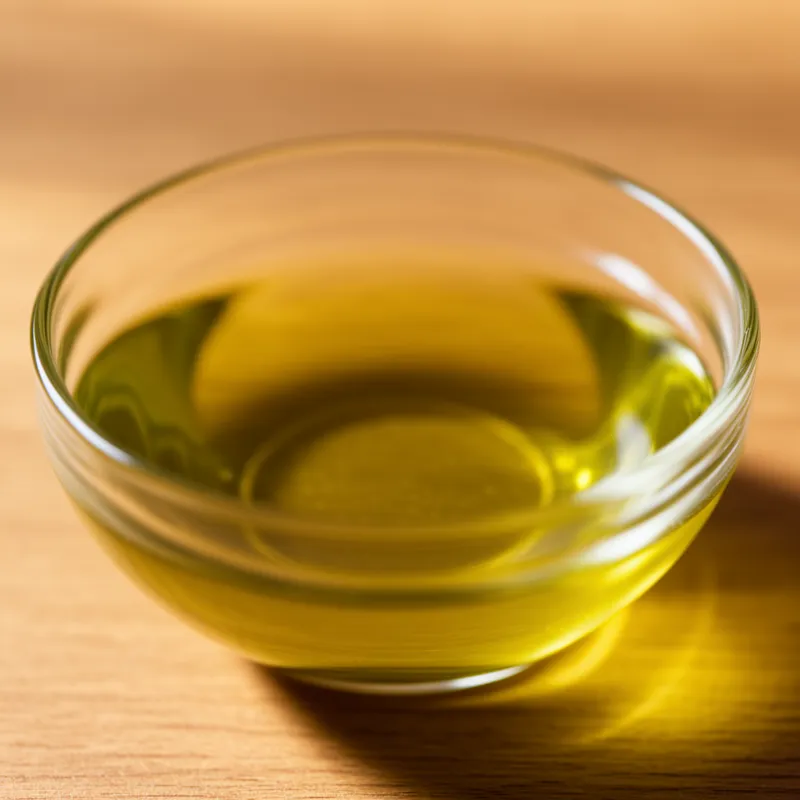 884 kcal