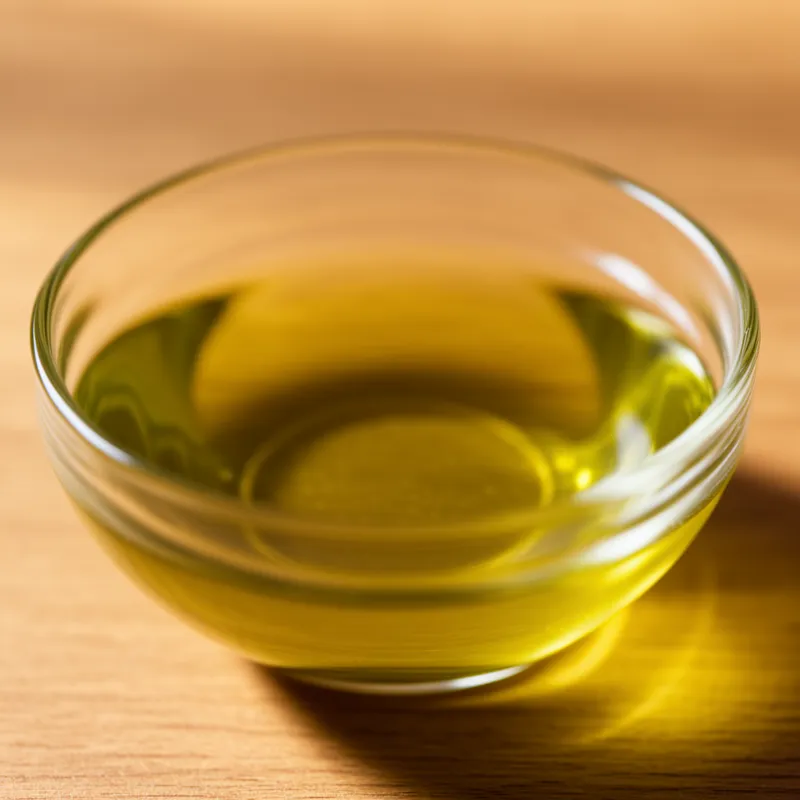
 884 kcal
 P 0g C 0g F 100g
Yellow summer squash is actually a botanical fruit that develops its highest antioxidant concentration right under its vibrant skin.
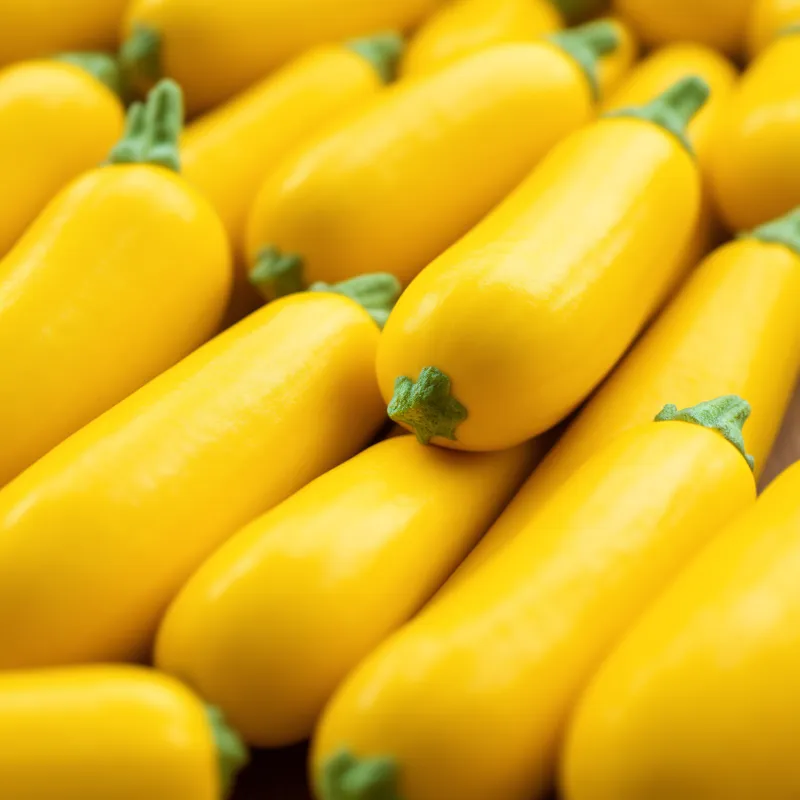
Yellow summer squash belongs to the species Cucurbita pepo, the same remarkably diverse species that gives us zucchini, pumpkins, and even some gourds. Botanically, it is classified as a pepo, a specialized type of berry with a thick, hard rind that is not easily removable. Unlike winter squashes, summer squash is harvested while immature, meaning its skin and seeds are still tender and entirely edible. This early harvest is crucial because the skin houses a significant portion of the squash's carotenoids, particularly lutein and zeaxanthin. These pigments are the same compounds that give marigolds and egg yolks their bright yellow hues. In the human eye, lutein and zeaxanthin accumulate in the macula, where they help filter out harmful blue light and neutralize reactive oxygen species. Because the flesh of yellow summer squash is mostly water—over 95 percent—keeping the skin on during cooking ensures you retain these fat-soluble antioxidants, which would otherwise be lost if peeled and discarded. Additionally, the squash's mild flavor comes from its relatively low concentration of volatile compounds compared to other garden vegetables.
To maximize the carotenoid absorption from the skin, sauté sliced yellow summer squash in a small amount of olive oil rather than boiling it, which leaches water-soluble nutrients. Because it is over 95 percent water, avoid salting it too early before cooking; salting draws out moisture and can result in a mushy texture. Store it unwashed in a plastic bag in the crisper drawer, as excess moisture encourages rapid decay. Pair it with eggs or cheese to provide the dietary fat necessary to absorb its fat-soluble antioxidants.
Per 100g — daily values based on a 2,000 calorie diet
CalRay's AI recognizes squash and hundreds of thousands of other foods from a photo. No manual lookup needed.
Squash, summer, yellow, includes skin contains 22 calories per 100g. A standard serving of 1 RACC (85g) provides 19 calories. It is considered a very low-calorie food (under 50 kcal/100g), making it excellent for weight management.
Squash, summer, yellow, includes skin provides 0.89g of protein per 100g, which is 2% of the 50g daily recommended value. It is not a primary protein source.
Squash, summer, yellow, includes skin contains 4.39g of carbohydrates per 100g . It also provides 0.96g of dietary fiber.
Yes! Squash, summer, yellow, includes skin is very low in calories (22 kcal/100g) and can be eaten in generous portions even on a calorie-restricted diet.
The easiest way to track squash is with CalRay. Simply snap a photo of your meal and the AI will automatically identify the food and calculate calories and macros based on the estimated portion size — no manual lookup required. You can also search by name and adjust gram weight manually.
884 kcal 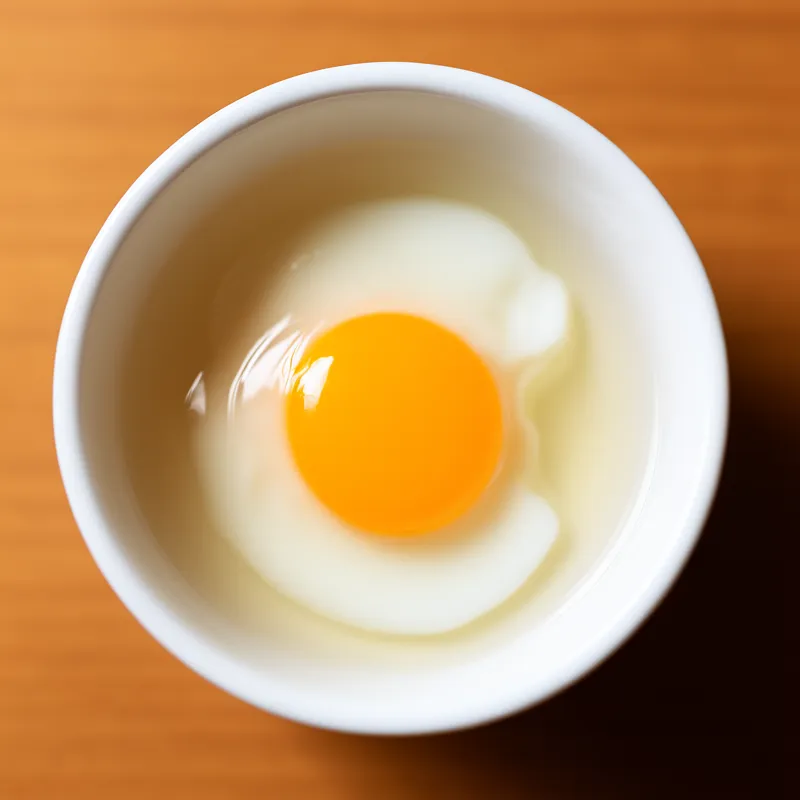 148 kcal
 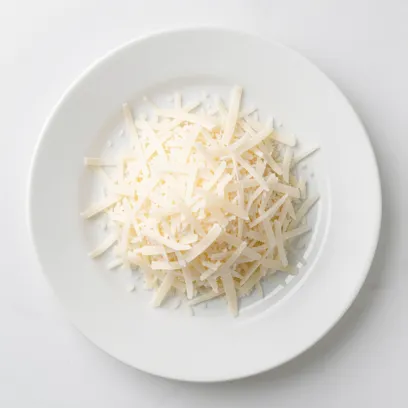 421 kcal