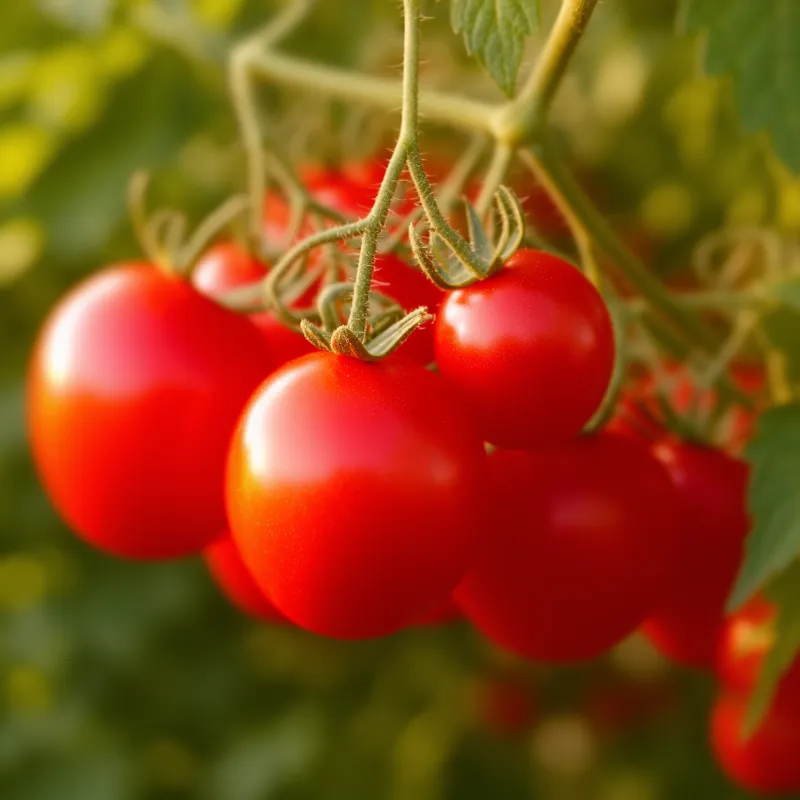
 27 kcal
 P 0.83g C 5.51g F 0.63g
Botanically a berry that can grow over an inch in a single day, zucchini hides its fruit status behind a savory profile.
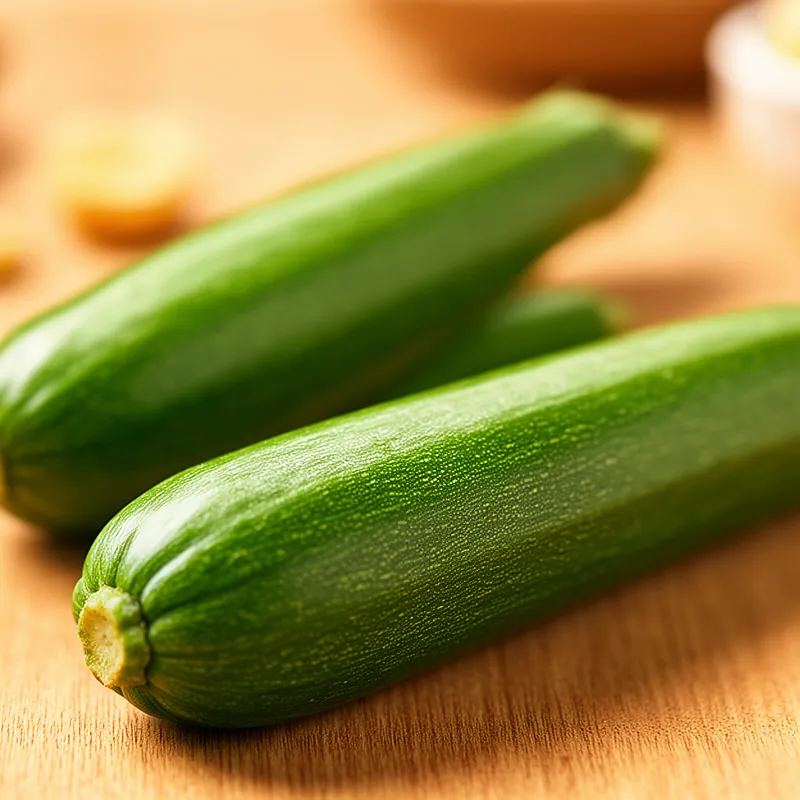
Zucchini, despite being treated as a vegetable in culinary contexts, is botanically a fruit—specifically, a pepo, which is a type of berry with a hard outer rind. It belongs to the species Cucurbita pepo, sharing its genetic lineage with pumpkins, acorn squash, and even certain gourds. One of the most fascinating biological traits of zucchini is its rapid growth rate. The fruit develops from the female flower, which must be pollinated by bees or other insects. Once fertilized, the ovary swells dramatically, and a zucchini can grow from the size of a finger to over a foot long in just a few days. If left unpicked, they can reach massive sizes, though the skin toughens and the seeds harden, making them less palatable. The edible skin contains a significant portion of the squash's antioxidants, particularly lutein and zeaxanthin, which are carotenoids that accumulate in the human retina and help filter harmful blue light. Because zucchini is roughly 95% water, its cellular structure collapses quickly when heated, which is why it releases so much liquid during cooking.
To prevent zucchini from turning into a soggy mess, salt the sliced rounds or grated shreds for 15 minutes and squeeze out the excess water before cooking. This step is crucial for stir-fries or fritters. Alternatively, grill halves over high heat to quickly evaporate moisture while imparting a smoky char. Keep the skin on to retain the fiber and lutein. Store unwashed zucchini in a plastic bag in the crisper drawer for up to a week, as moisture encourages premature decay.
Per 100g — daily values based on a 2,000 calorie diet
CalRay's AI recognizes squash and hundreds of thousands of other foods from a photo. No manual lookup needed.
Squash, summer, green, zucchini, includes skin contains 19 calories per 100g. A standard serving of 1 RACC (85g) provides 16 calories. It is considered a very low-calorie food (under 50 kcal/100g), making it excellent for weight management.
Squash, summer, green, zucchini, includes skin provides 0.98g of protein per 100g, which is 2% of the 50g daily recommended value. It is not a primary protein source.
Squash, summer, green, zucchini, includes skin contains 3.27g of carbohydrates per 100g . It also provides 0.75g of dietary fiber.
Yes! Squash, summer, green, zucchini, includes skin is very low in calories (19 kcal/100g) and can be eaten in generous portions even on a calorie-restricted diet.
The easiest way to track squash is with CalRay. Simply snap a photo of your meal and the AI will automatically identify the food and calculate calories and macros based on the estimated portion size — no manual lookup required. You can also search by name and adjust gram weight manually.
27 kcal  421 kcal
  884 kcal