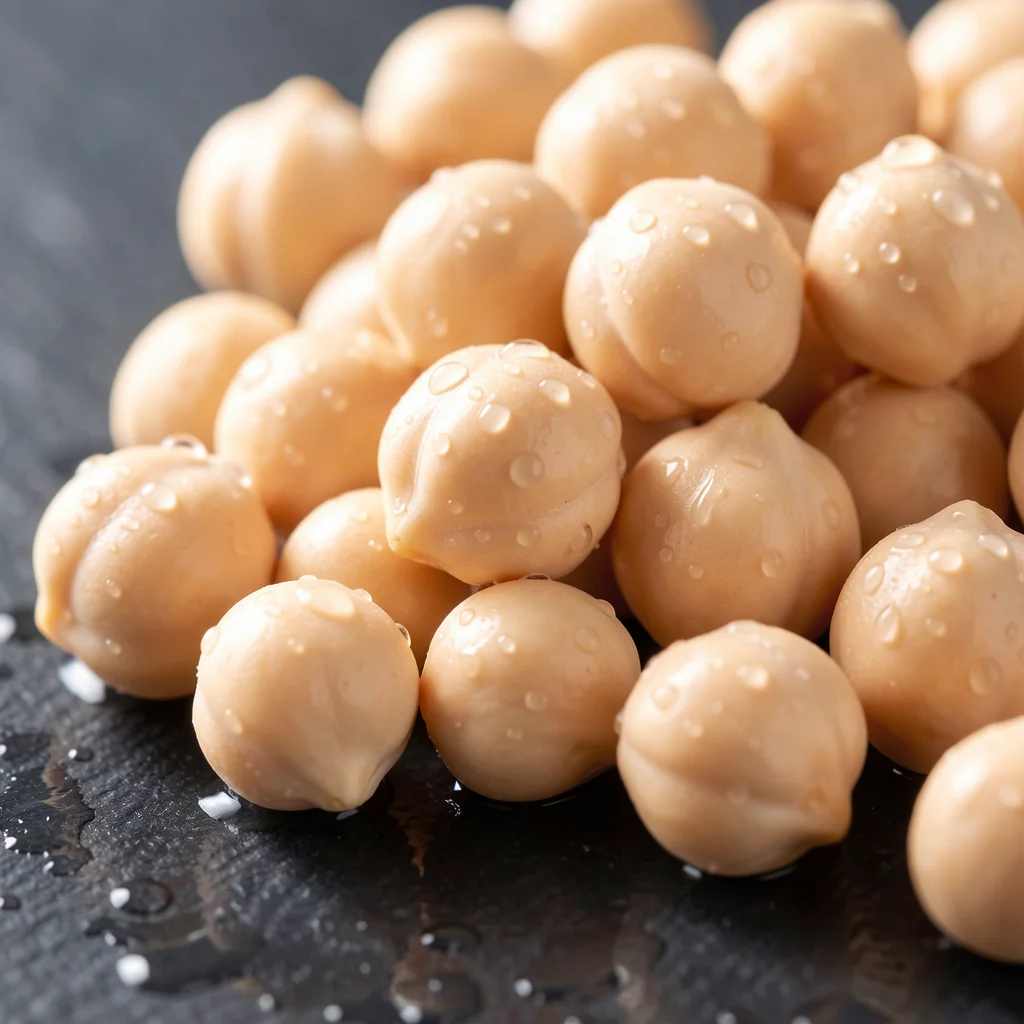
 137 kcal
 P 7.02g C 20.3g F 3.1g
This drought-tolerant ancient grain naturally produces its own chemical sunscreen to protect its seeds from UV damage.
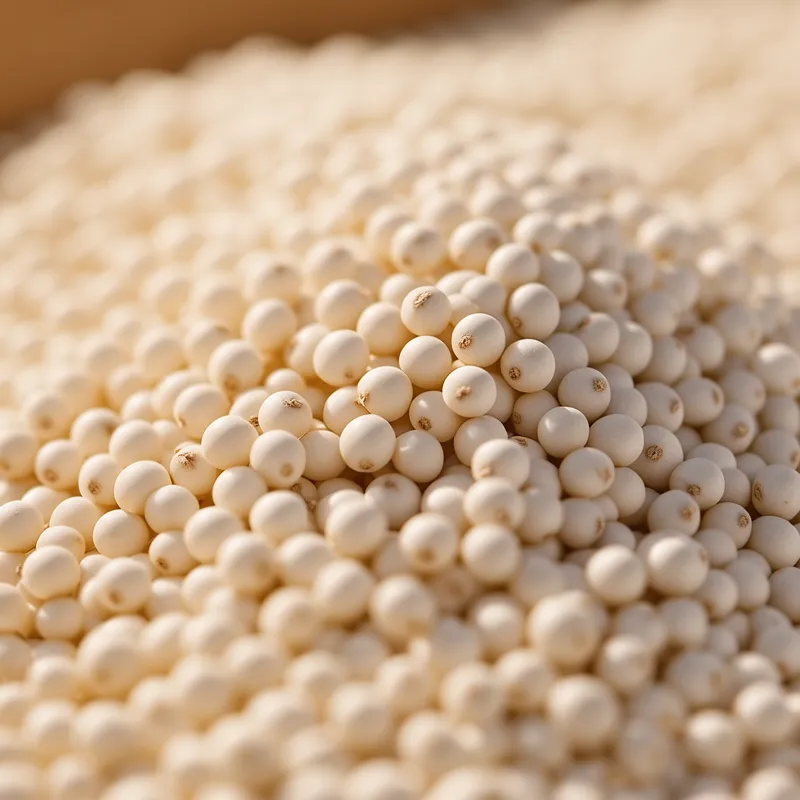
Sorghum is a remarkably resilient cereal that originated in northeastern Africa before spreading globally, and it possesses a unique chemical defense system found in almost no other common grain. When the plant is attacked by certain fungal pathogens or exposed to intense UV light, it synthesizes a rare class of compounds called 3-deoxyanthocyanidins. These pigments, specifically luteolinidin and apigeninidin, act as a localized chemical sunscreen and antimicrobial barrier, accumulating rapidly at the site of infection to kill invading fungi. Unlike the anthocyanins found in blueberries or red cabbage, these specific compounds lack a hydroxyl group at the 3-position, making them structurally distinct and unusually stable at high pH levels. This biological armor allows sorghum to thrive in harsh, arid environments where other cereals fail, making it a crucial staple for food security in drought-prone regions. While pearling removes the outer bran layer to create a lighter, faster-cooking grain, the endosperm still retains a dense carbohydrate matrix that provides sustained energy. Today, it remains the world's fifth most important cereal crop, though its fascinating biochemical defenses are largely invisible to the people eating it.
To cook pearled sorghum, rinse it thoroughly and combine one part grain with three parts water or broth in a pot. Bring to a boil, reduce heat, and simmer covered for about 45 to 60 minutes until the grains are tender and chewy, similar to pearl couscous. Drain any excess liquid. Store dry sorghum in an airtight container in a cool, dark pantry. Because it is relatively low in fat, it pairs well with heart-healthy oils or legumes to create a complete amino acid profile.
Per 100g — daily values based on a 2,000 calorie diet
CalRay's AI recognizes sorghum grain and hundreds of thousands of other foods from a photo. No manual lookup needed.
Sorghum grain, white, pearled, unenriched, dry contains 370 calories per 100g. A standard serving of 1 RACC (45g) provides 167 calories. It is relatively calorie-dense, so portion control is important.
Sorghum grain, white, pearled, unenriched, dry provides 10.2g of protein per 100g, which is 20% of the 50g daily recommended value. It is a good source of protein.
Sorghum grain, white, pearled, unenriched, dry contains 74.9g of carbohydrates per 100g . It also provides 3.92g of dietary fiber.
Sorghum grain, white, pearled, unenriched, dry has 370 kcal per 100g, so portions need to be monitored on a weight-loss diet. Use CalRay to track your intake accurately. Its fiber content (3.92g/100g) also promotes fullness.
The easiest way to track sorghum grain is with CalRay. Simply snap a photo of your meal and the AI will automatically identify the food and calculate calories and macros based on the estimated portion size — no manual lookup required. You can also search by name and adjust gram weight manually.
137 kcal 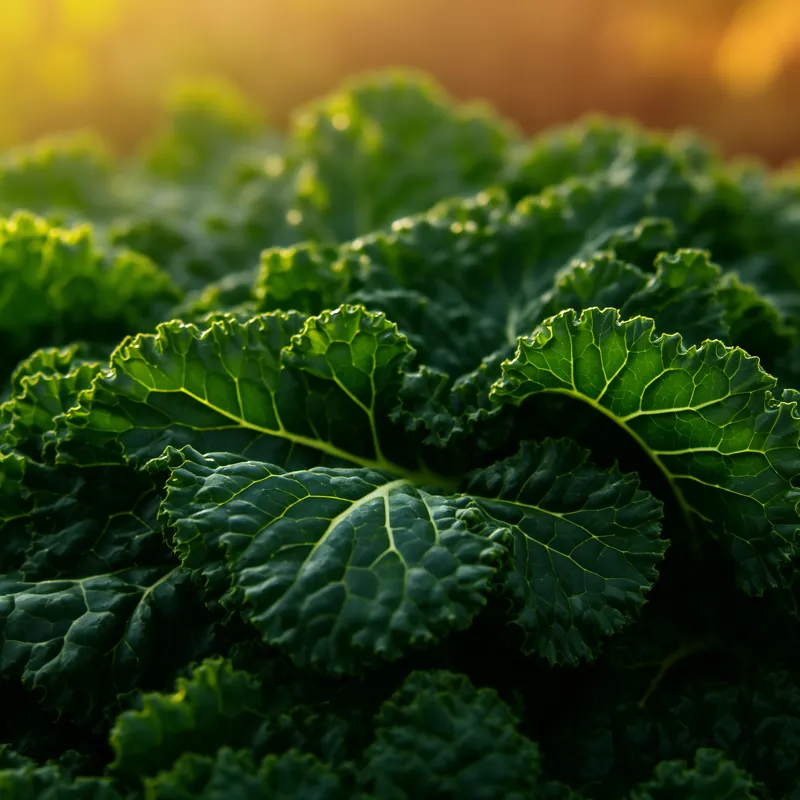 35 kcal
 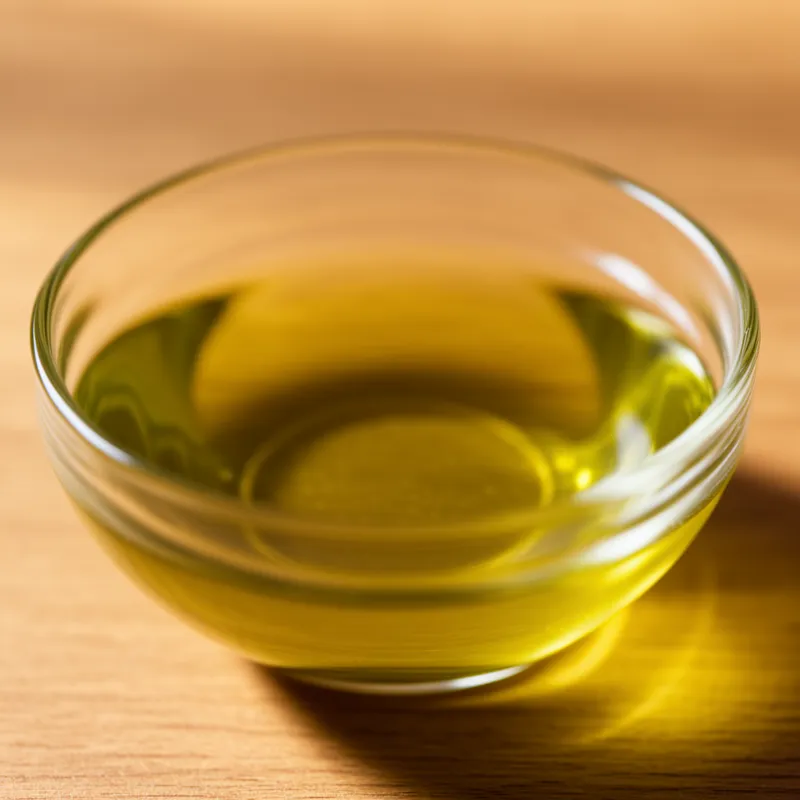 884 kcal