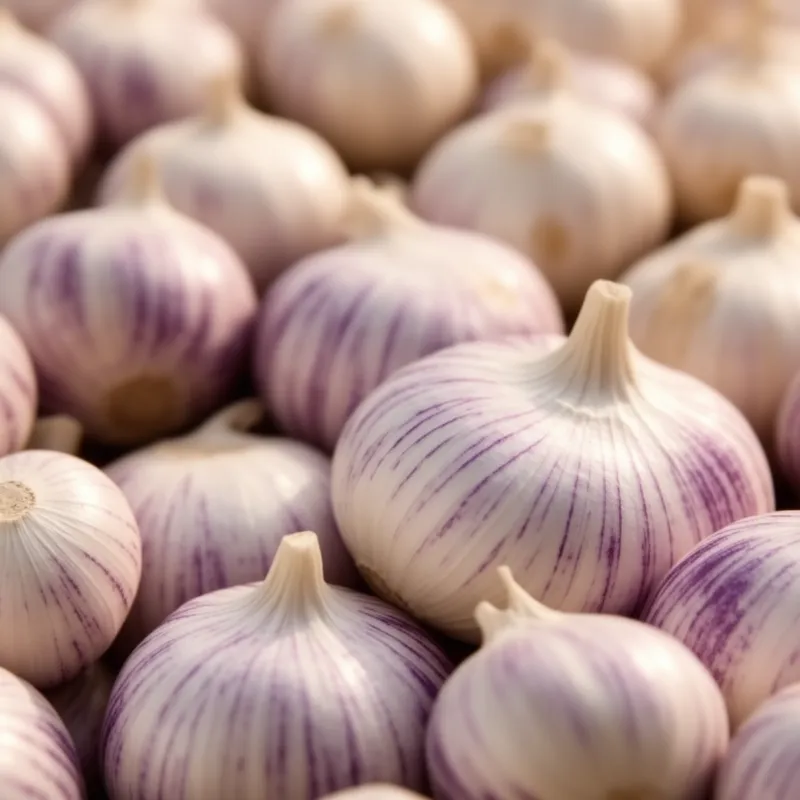
 143 kcal
 P 6.62g C 28.2g F 0.38g
Oyster mushrooms are one of the few known carnivorous fungi, actively paralyzing and consuming microscopic nematodes when nitrogen is scarce.
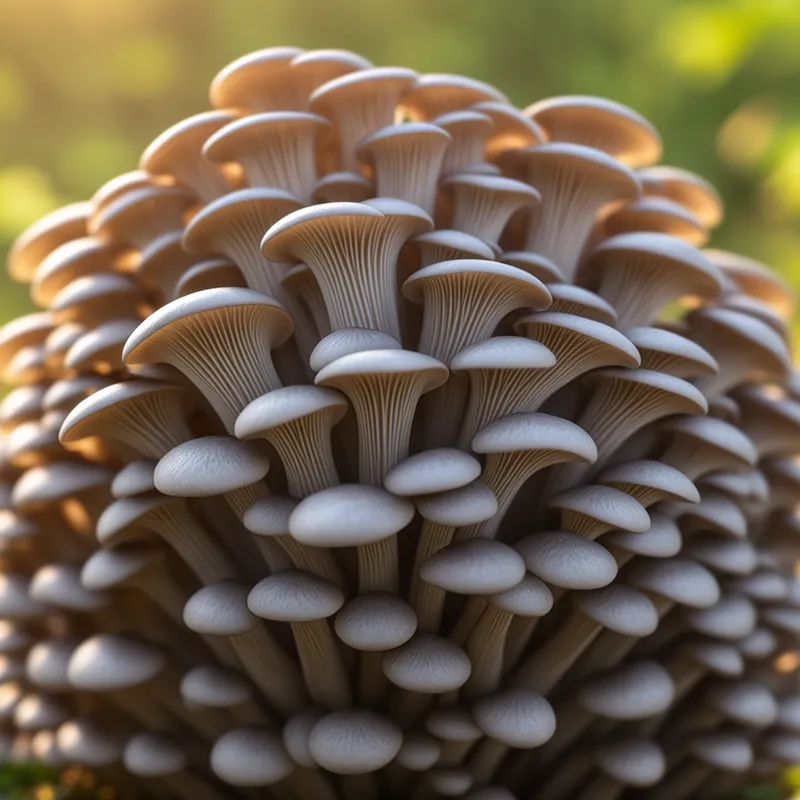
Pleurotus ostreatus, commonly known as the oyster mushroom, possesses a surprising biological trait: it is mildly carnivorous. When growing in environments depleted of nitrogen, typically on dead hardwood, the fungus deploys a specialized mechanism to hunt. Its mycelium secretes a toxin that paralyzes nematodes—microscopic roundworms—within minutes of contact. Once the worm is immobilized, the fungal hyphae invade its body, digesting it to extract essential nitrogen. This predatory behavior allows the oyster mushroom to thrive on low-nutrient substrates where other fungi might struggle. Beyond its dietary habits, this species is renowned for its rapid colonization and ability to break down complex lignin and cellulose, making it a vital decomposer in forest ecosystems. It is also one of the easiest mushrooms to cultivate, often fruiting directly from coffee grounds or straw. The mushroom's natural production of lovastatin, a compound used to lower cholesterol, has also drawn scientific interest, though dietary amounts provide only trace levels. This combination of predatory survival tactics and ecological utility makes the oyster mushroom a uniquely fascinating organism.
Oyster mushrooms have a delicate, slightly chewy texture and a mild, anise-like flavor that shrinks dramatically when cooked. To maximize their umami profile and nutrient absorption, tear them into strips and sear them in a hot pan with a small amount of olive oil. They pair exceptionally well with garlic, which enhances their natural glutamates. Store them unwashed in a paper bag in the refrigerator to prevent moisture buildup, which can cause rapid spoilage. Cooking them also breaks down their cell walls, making their modest protein and carbohydrate content more bioavailable.
Per 100g — daily values based on a 2,000 calorie diet
CalRay's AI recognizes mushroom and hundreds of thousands of other foods from a photo. No manual lookup needed.
Mushroom, oyster contains 41 calories per 100g. A standard serving of 1 RACC (85g) provides 35 calories. It is considered a very low-calorie food (under 50 kcal/100g), making it excellent for weight management.
Mushroom, oyster provides 2.9g of protein per 100g, which is 6% of the 50g daily recommended value. It is not a primary protein source.
Mushroom, oyster contains 6.94g of carbohydrates per 100g . It also provides 2.85g of dietary fiber.
Yes! Mushroom, oyster is very low in calories (41 kcal/100g) and can be eaten in generous portions even on a calorie-restricted diet.
The easiest way to track mushroom is with CalRay. Simply snap a photo of your meal and the AI will automatically identify the food and calculate calories and macros based on the estimated portion size — no manual lookup required. You can also search by name and adjust gram weight manually.
143 kcal 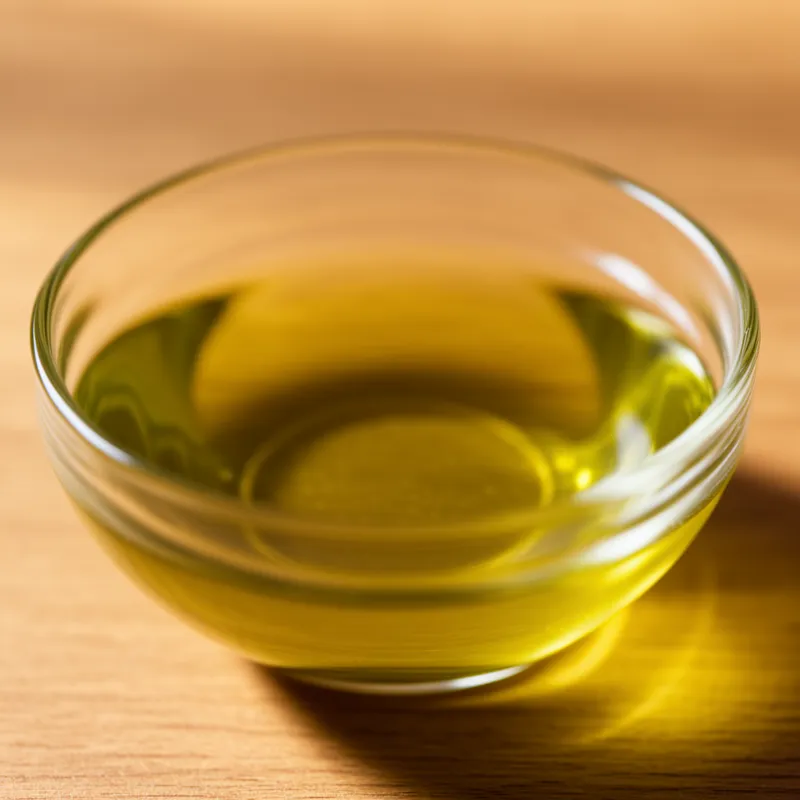 884 kcal
 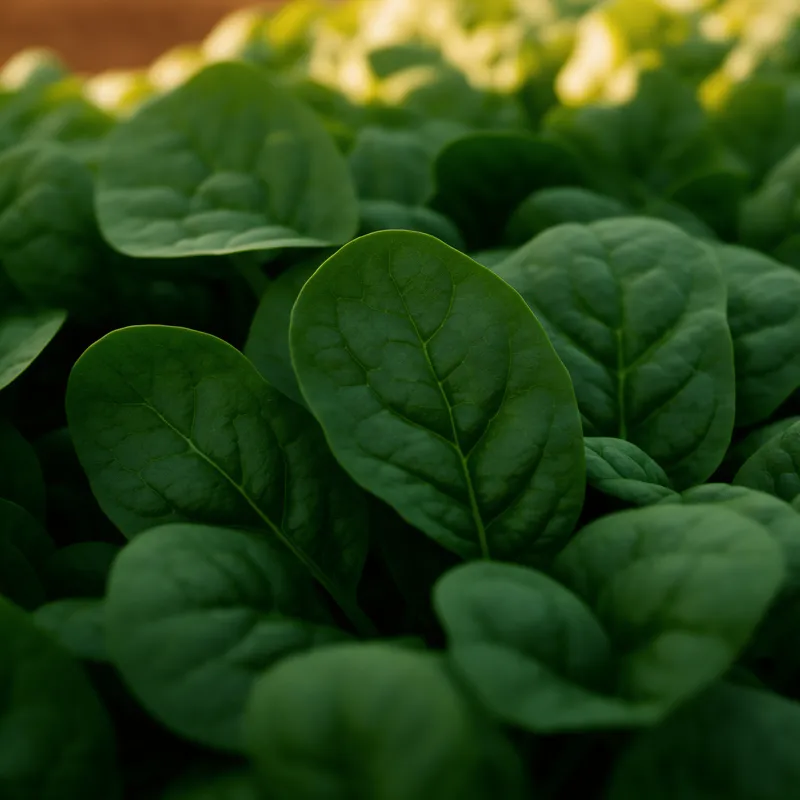 28 kcal