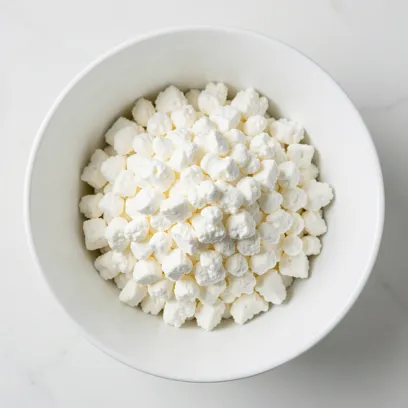
 84 kcal
 P 11g C 4.31g F 2.3g
Cantaloupe is a botanical relative of cucumbers that halts all sugar production the moment it is picked.
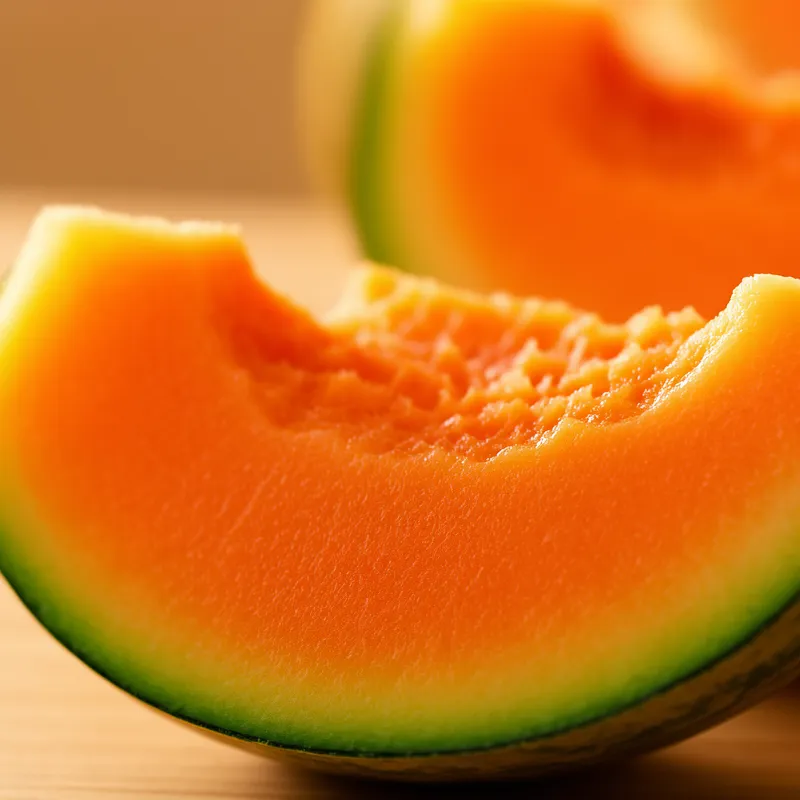
Cantaloupe, scientifically classified as Cucumis melo var. reticulatus, belongs to the Cucurbitaceae family, making it a direct botanical relative of cucumbers and pumpkins rather than a traditional orchard fruit. Its distinctive raised, netted rind develops as the fruit expands, creating a corky lattice that protects the interior. The vibrant orange flesh is a biological anomaly within its family, resulting from a massive accumulation of beta-carotene, a provitamin A carotenoid that most other cucurbits lack. Unlike climacteric fruits such as bananas or apples, cantaloupe is non-climacteric. This means it does not continue to ripen or convert starches into sugars after being harvested. Once detached from the vine, its sweetness, texture, and beta-carotene levels are permanently locked in. Additionally, that protective netted rind is highly porous and can easily harbor bacteria like Salmonella. Because a knife can drag surface microbes through the flesh during slicing, scrubbing the rind under running water before cutting is a critical food safety step.
To select a ripe cantaloupe, look for a cream-yellow background color under the netting and a slight give at the stem end, which should smell sweet. Since it does not ripen further off the vine, avoid hard, green melons. Store whole melons at room temperature if uncut, but refrigerate immediately after slicing. Pair cantaloupe with a source of dietary fat, such as cottage cheese or almonds, to significantly enhance the intestinal absorption of its fat-soluble beta-carotene.
Per 100g — daily values based on a 2,000 calorie diet
CalRay's AI recognizes melons and hundreds of thousands of other foods from a photo. No manual lookup needed.
Melons, cantaloupe contains 34 calories per 100g. A standard serving of 1 wedge (69g) provides 23 calories. It is considered a very low-calorie food (under 50 kcal/100g), making it excellent for weight management.
Melons, cantaloupe provides 0.82g of protein per 100g, which is 2% of the 50g daily recommended value. It is not a primary protein source.
Melons, cantaloupe contains 8.16g of carbohydrates per 100g . It also provides 0.8g of dietary fiber.
Yes! Melons, cantaloupe is very low in calories (34 kcal/100g) and can be eaten in generous portions even on a calorie-restricted diet.
The easiest way to track melons is with CalRay. Simply snap a photo of your meal and the AI will automatically identify the food and calculate calories and macros based on the estimated portion size — no manual lookup required. You can also search by name and adjust gram weight manually.
84 kcal 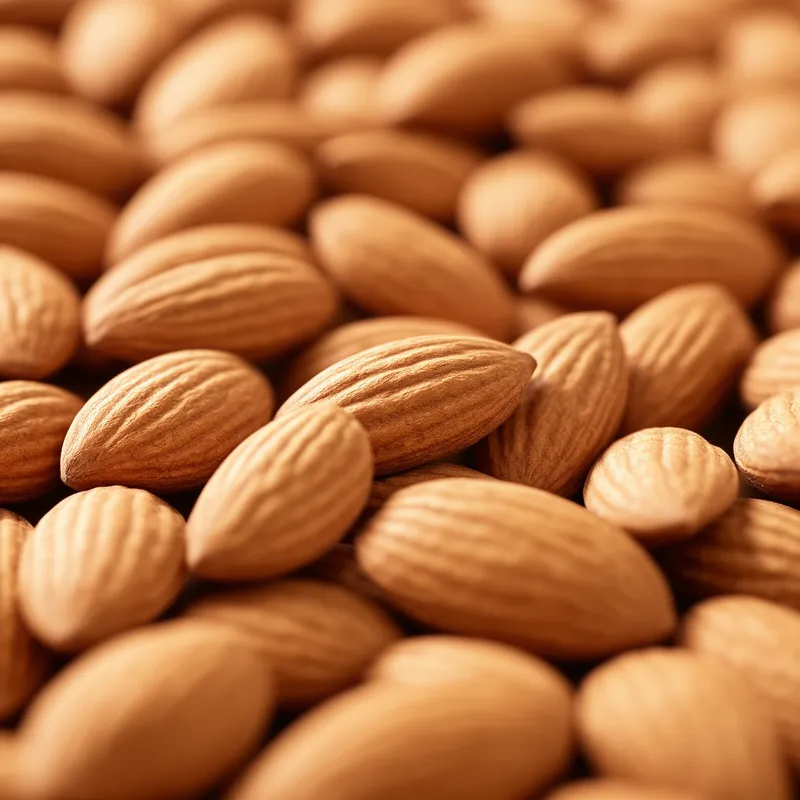 626 kcal
 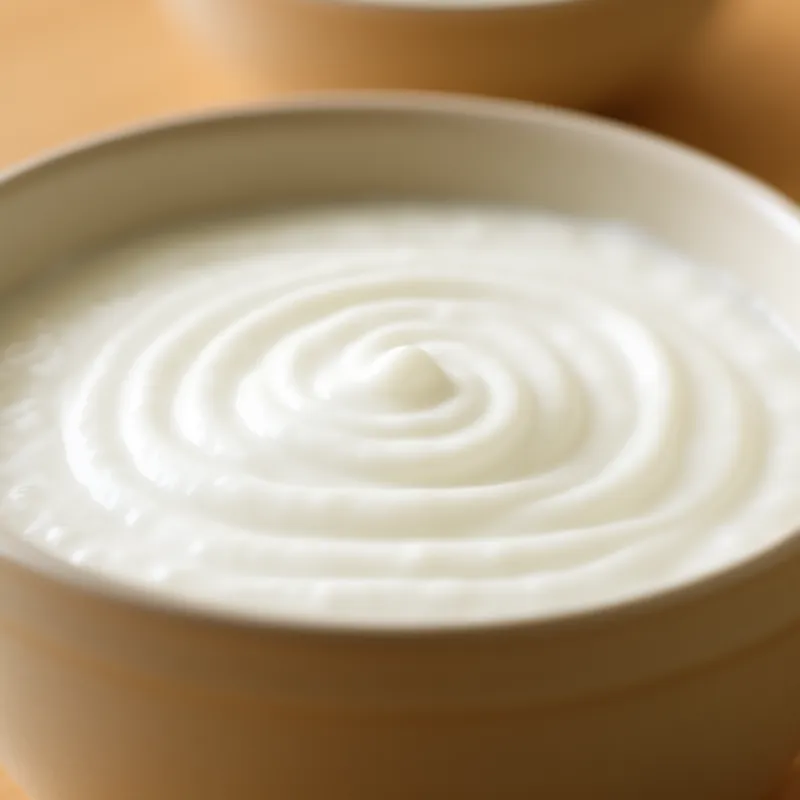 61 kcal