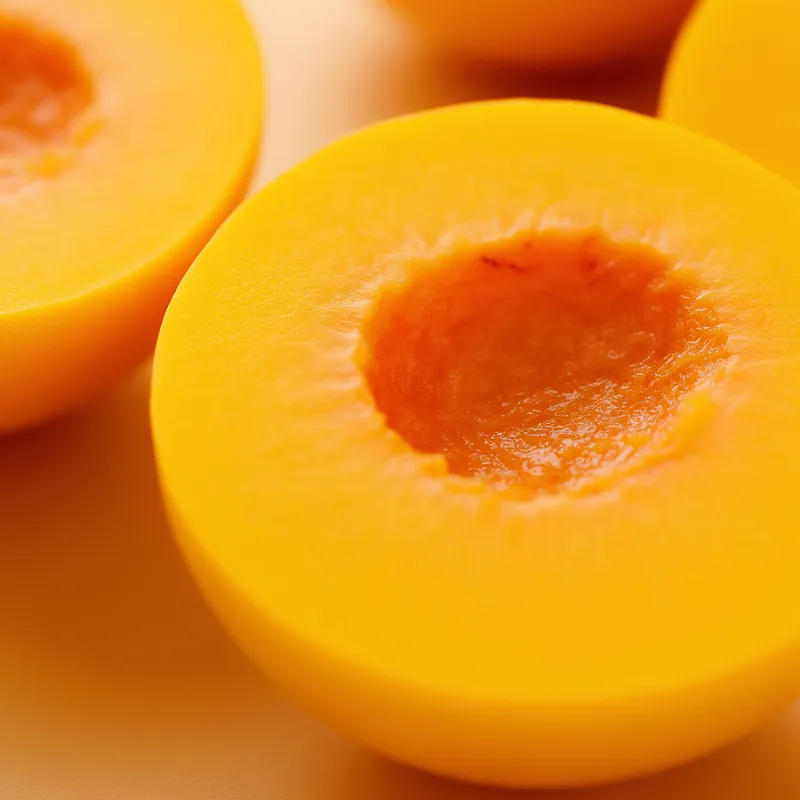
 42 kcal
 P 0.91g C 10.1g F 0.27g
Unlike most cheeses, cottage cheese is curdled by acid rather than rennet, leaving its signature loose, milky curds unpressed.
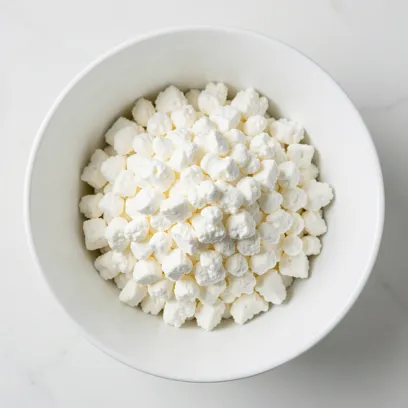
Cottage cheese is technically an unripened, acid-coagulated cheese, meaning it relies on lactic acid rather than rennet enzymes to form its curds. When a bacterial culture ferments the lactose in milk, the dropping pH causes casein proteins to denature and clump together. Because the curds are never pressed and are eventually washed, they retain a high moisture content and a distinct, mild flavor. The 2% milkfat variety is made by combining these nonfat curds with a light cream dressing, which coats the curds and provides just enough fat to carry fat-soluble flavor compounds without significantly increasing the calorie density. Historically, this style of fresh, unpressed cheese was made in homes across Europe for centuries as a way to preserve surplus milk before the invention of modern refrigeration. The term "cottage cheese" itself emerged in the mid-19th century in the United States, reflecting the fact that it was commonly produced in small batches in domestic kitchens or cottages. The small or large curd size is determined by how the milk is cut during production, which directly affects how much whey is expelled from the protein matrix before washing.
Because of its high moisture and casein protein content, 2% cottage cheese works exceptionally well as a binding agent in egg scrambles or savory pancakes, adding volume and protein without excess fat. Store it upside down in the refrigerator to keep the curds evenly distributed in their cream dressing. For a balanced snack, pair it with fresh peaches or grape tomatoes; the natural sugars and acidity complement the mild, salty dairy profile while providing fiber and vitamin C to round out the meal.
Per 100g — daily values based on a 2,000 calorie diet
CalRay's AI recognizes cheese and hundreds of thousands of other foods from a photo. No manual lookup needed.
Cheese, cottage, lowfat, 2% milkfat contains 84 calories per 100g. A standard serving of 1 cup (220g) provides 185 calories. It is a moderate-calorie food that can fit into most healthy diets.
Cheese, cottage, lowfat, 2% milkfat provides 11g of protein per 100g, which is 22% of the 50g daily recommended value. It is a good source of protein.
Cheese, cottage, lowfat, 2% milkfat contains 4.31g of carbohydrates per 100g .
Cheese, cottage, lowfat, 2% milkfat has 84 kcal per 100g, which is relatively moderate. It can fit into a weight-loss diet as long as portion sizes are managed.
The easiest way to track cheese is with CalRay. Simply snap a photo of your meal and the AI will automatically identify the food and calculate calories and macros based on the estimated portion size — no manual lookup required. You can also search by name and adjust gram weight manually.
42 kcal  27 kcal
 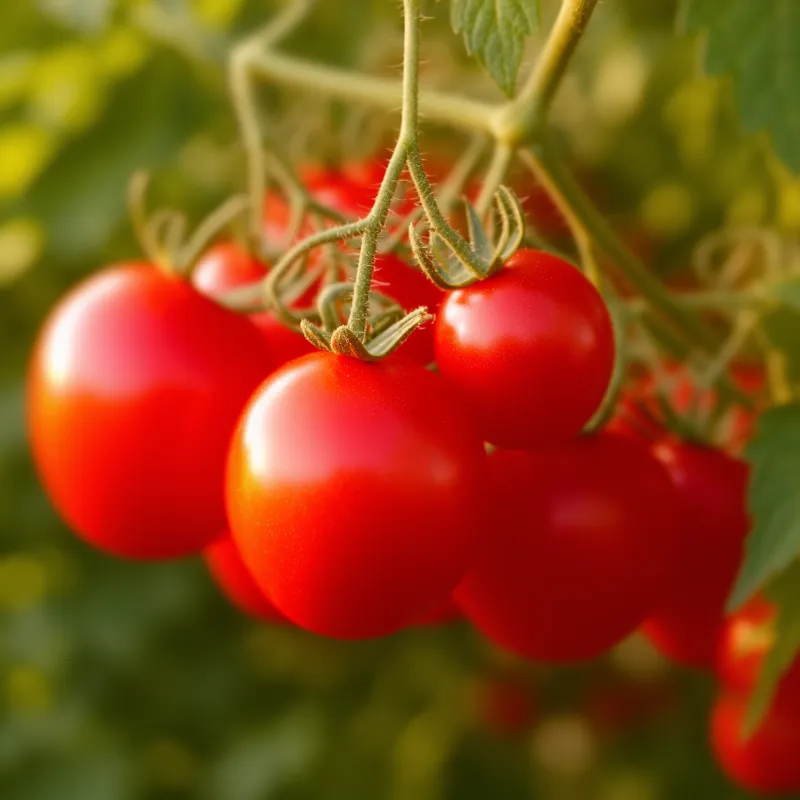 27 kcal