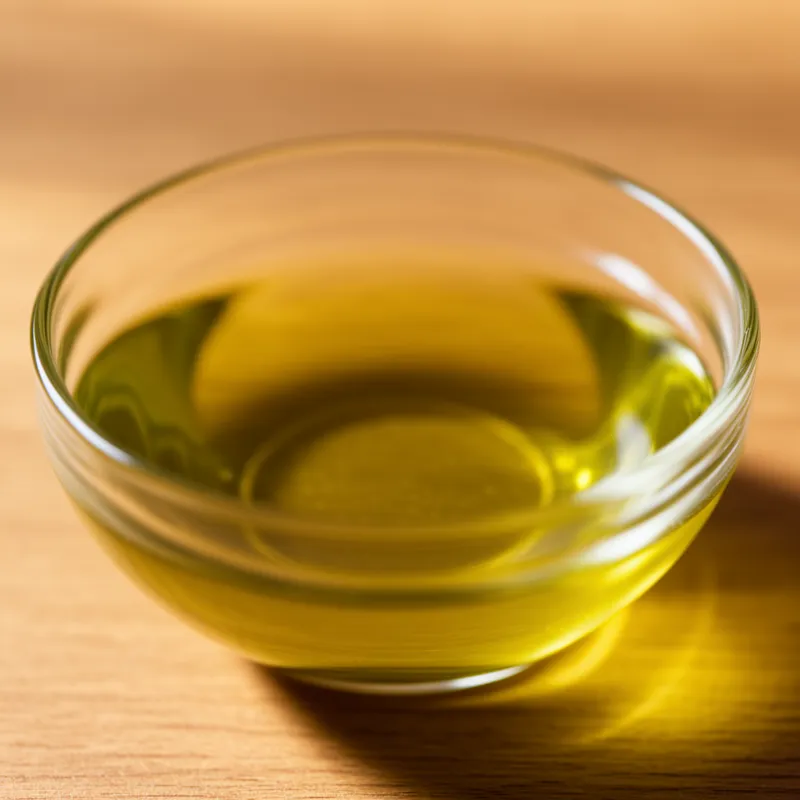
 884 kcal
 P 0g C 0g F 100g
Red leaf lettuce gets its vibrant color from anthocyanins, the same antioxidant pigments found in blueberries and red wine.
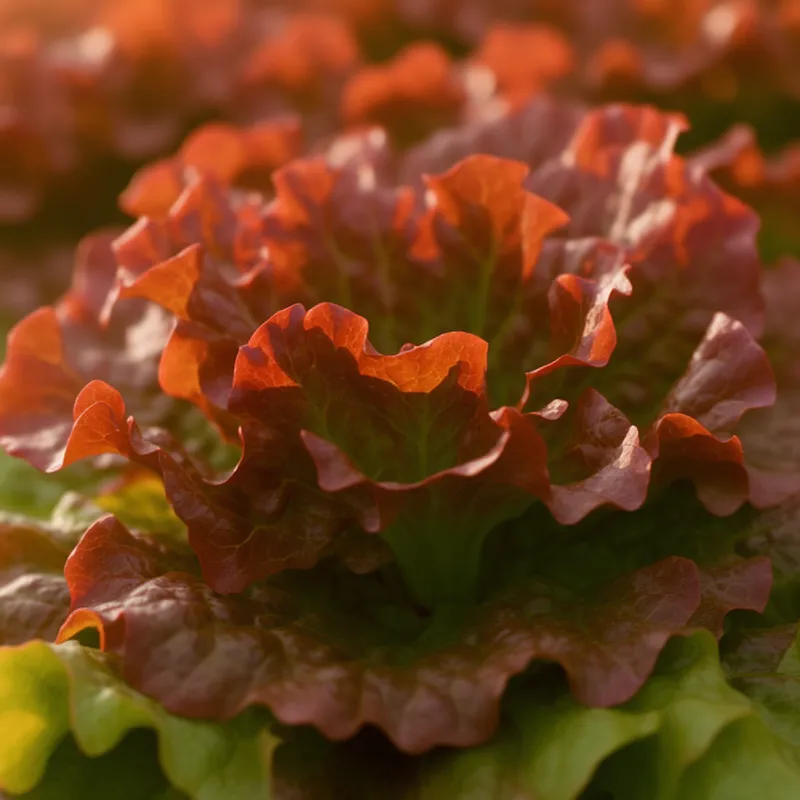
Red leaf lettuce (Lactuca sativa var. crispa) owes its striking crimson margins to anthocyanins, water-soluble vacuolar pigments that change color depending on cellular pH. While all lettuce varieties produce a milky latex containing mild sedative compounds called lactucarium, red leaf varieties uniquely combine these soothing properties with a robust antioxidant profile. The intensity of the red pigmentation is directly influenced by environmental factors: cooler temperatures and increased light exposure trigger the plant to produce more anthocyanins as a protective mechanism against UV radiation and cold stress. Historically, lettuce was first domesticated by the ancient Egyptians for its oil-rich seeds, and the leafy varieties we eat today were selectively bred over millennia to reduce bitterness and increase water content. Red leaf lettuce specifically emerged as breeders sought to diversify the visual and nutritional appeal of salad greens. Unlike iceberg lettuce, which is tightly packed to protect its inner leaves from sunlight, the loose, ruffled leaves of red leaf lettuce are fully exposed, maximizing their photoprotective pigment production and resulting in a higher concentration of these beneficial compounds compared to their paler counterparts.
Red leaf lettuce is delicate and bruises easily, so tear the leaves by hand rather than chopping with a knife to prevent rapid oxidation and browning at the edges. Always wash and thoroughly dry the leaves before storing; excess moisture encourages bacterial decay. Store in a container lined with paper towels in the crisper drawer for up to a week. Because it is extremely low in calories and almost fat-free, pair it with a dressing containing healthy fats like extra virgin olive oil to significantly enhance the absorption of its fat-soluble vitamins, particularly vitamin K and provitamin A carotenoids.
Per 100g — daily values based on a 2,000 calorie diet
CalRay's AI recognizes lettuce and hundreds of thousands of other foods from a photo. No manual lookup needed.
Lettuce, leaf, red contains 18 calories per 100g. A standard serving of 1 RACC (85g) provides 15 calories. It is considered a very low-calorie food (under 50 kcal/100g), making it excellent for weight management.
Lettuce, leaf, red provides 0.88g of protein per 100g, which is 2% of the 50g daily recommended value. It is not a primary protein source.
Lettuce, leaf, red contains 3.26g of carbohydrates per 100g .
Yes! Lettuce, leaf, red is very low in calories (18 kcal/100g) and can be eaten in generous portions even on a calorie-restricted diet.
The easiest way to track lettuce is with CalRay. Simply snap a photo of your meal and the AI will automatically identify the food and calculate calories and macros based on the estimated portion size — no manual lookup required. You can also search by name and adjust gram weight manually.
884 kcal  27 kcal
  273 kcal