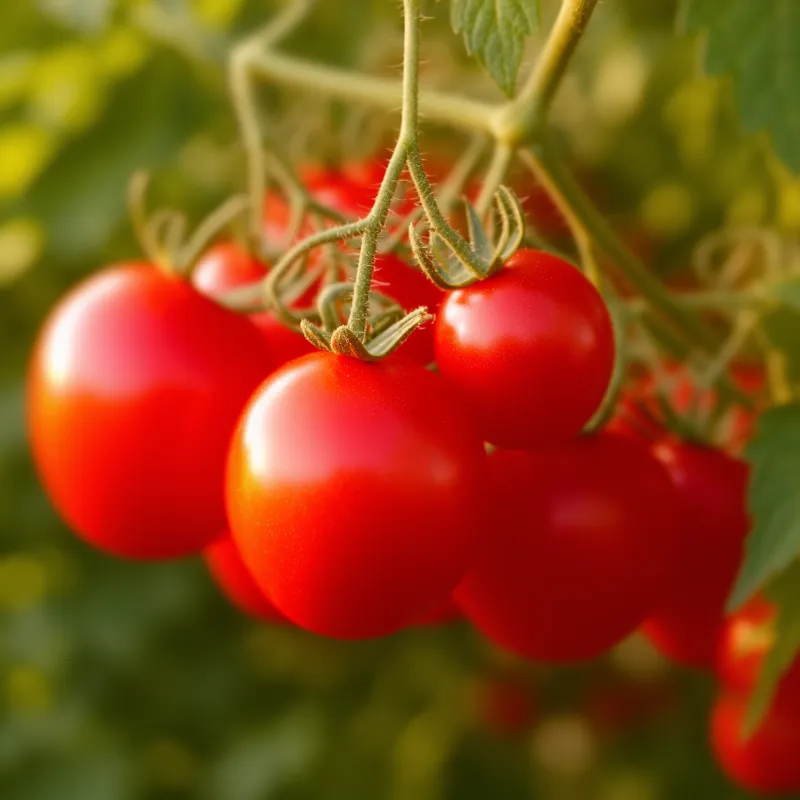
 27 kcal
 P 0.83g C 5.51g F 0.63g
True feta is essentially a pickled cheese, legally required to be aged in a brine bath for at least two months.
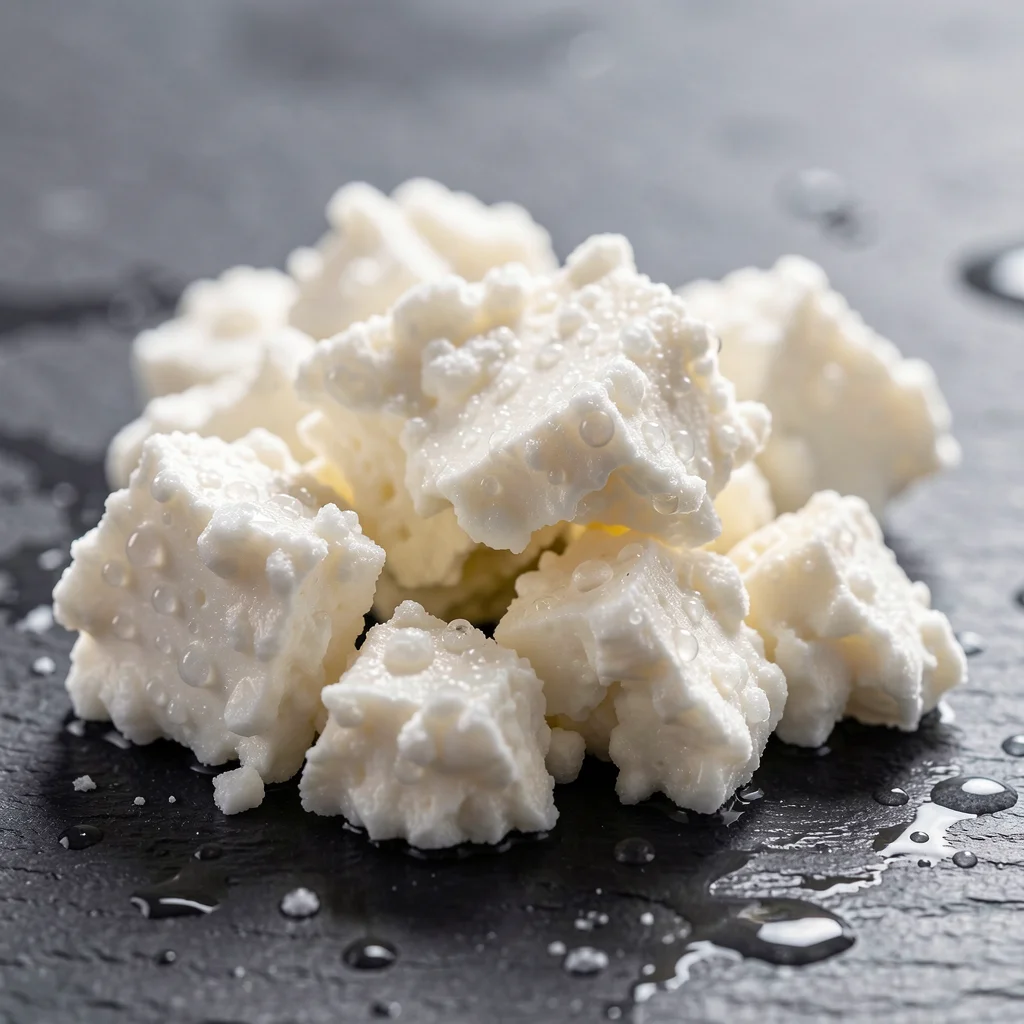
Authentic feta is a Protected Designation of Origin (PDO) product in the European Union, meaning it must be produced in specific regions of Greece using exclusively sheep's milk or a blend of sheep and up to 30% goat's milk. What truly distinguishes feta from other cheeses is that it is essentially a pickled cheese. After the curds are formed and drained, they are cut into blocks and submerged in a brine solution for a minimum of two months. This brining process is a masterclass in food chemistry. The high salt concentration draws moisture out of the curds through osmosis, firming the texture while simultaneously lowering the water activity to a level that inhibits spoilage bacteria. Because feta is not pressed during production, the curds retain microscopic air pockets. The brine penetrates these pockets, dissolving some of the calcium bonds in the protein matrix. This lack of calcium cross-linking is exactly why authentic feta crumbles so easily and has a distinctively creamy, slightly tangy mouthfeel rather than the rubbery bounce of a pressed, unbrined cheese.
To reduce sodium intake, soak crumbled feta in cold water or milk for 10 minutes before use; osmosis will draw out excess salt without sacrificing texture. Because its high fat content makes it prone to rapid oxidation, store feta submerged in its original brine or a light saltwater solution in the refrigerator. Pair it with vitamin C-rich foods like tomatoes or bell peppers; the vitamin C enhances iron absorption from the leafy greens often served alongside feta in Mediterranean dishes.
Per 100g — daily values based on a 2,000 calorie diet
CalRay's AI recognizes cheese and hundreds of thousands of other foods from a photo. No manual lookup needed.
Cheese, feta, whole milk, crumbled contains 273 calories per 100g. A standard serving of 1 RACC (30g) provides 82 calories. It is relatively calorie-dense, so portion control is important.
Cheese, feta, whole milk, crumbled provides 19.7g of protein per 100g, which is 39% of the 50g daily recommended value. It is a good source of protein.
Cheese, feta, whole milk, crumbled contains 5.58g of carbohydrates per 100g .
Cheese, feta, whole milk, crumbled has 273 kcal per 100g, so portions need to be monitored on a weight-loss diet. Use CalRay to track your intake accurately. Its high protein content (19.7g/100g) helps with satiety.
The easiest way to track cheese is with CalRay. Simply snap a photo of your meal and the AI will automatically identify the food and calculate calories and macros based on the estimated portion size — no manual lookup required. You can also search by name and adjust gram weight manually.
27 kcal 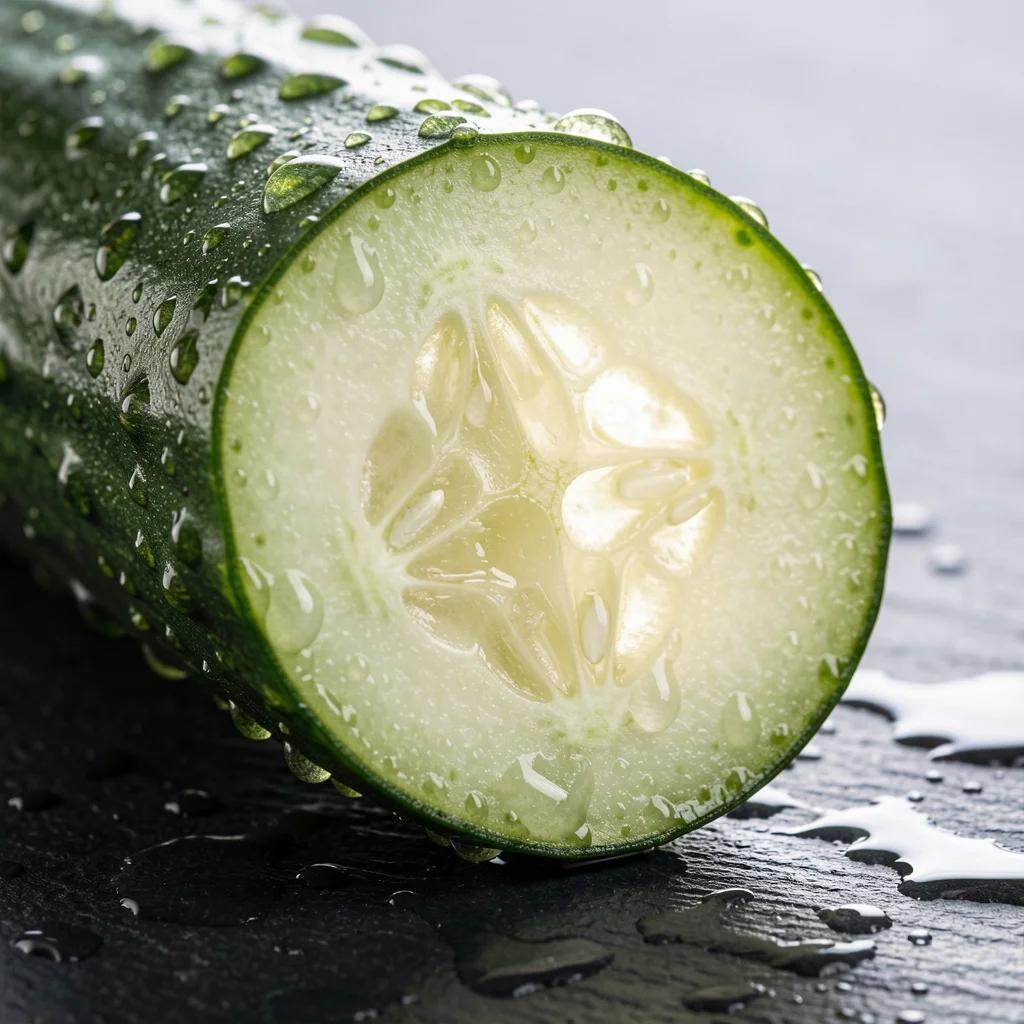 16 kcal
 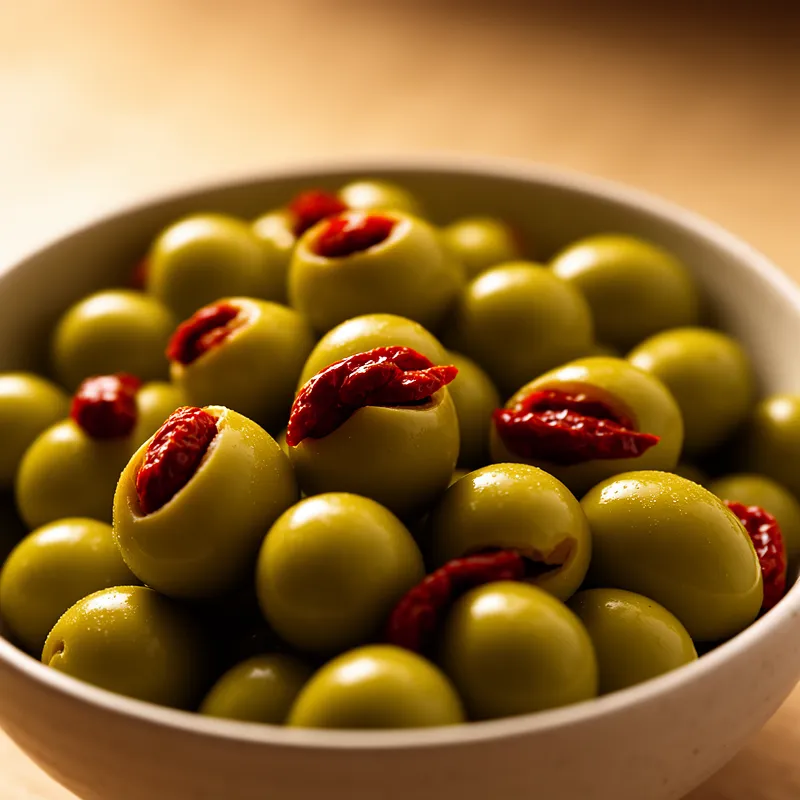 130 kcal