 61 kcal
 P 10.3g C 3.64g F 0.37g
White grape juice acts as the invisible sweetener in many commercial fruit juice blends.
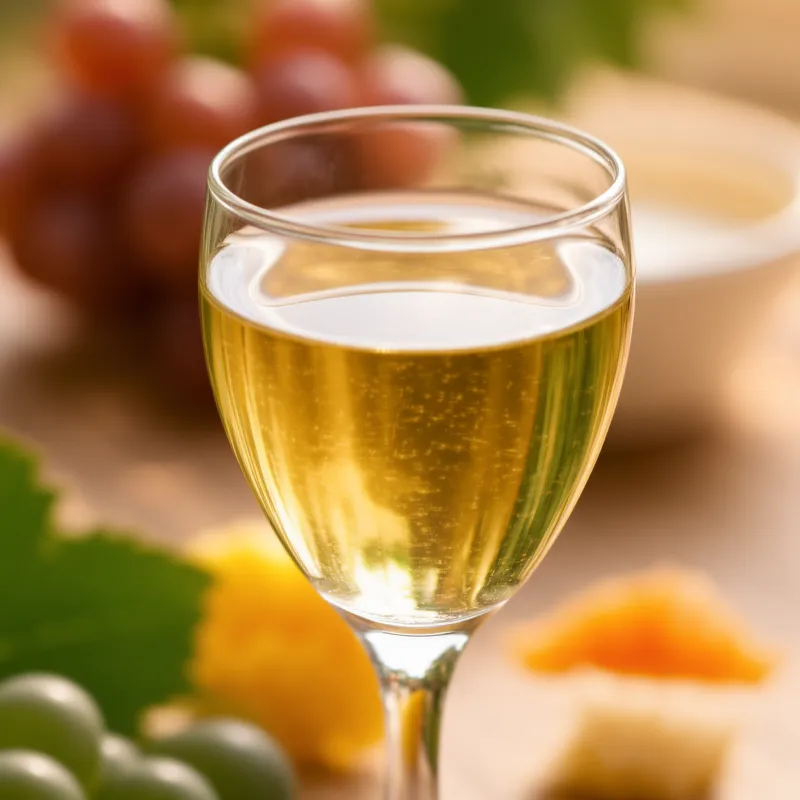
The pale hue of white grape juice stems from a genetic mutation that halts the production of anthocyanins, the pigments responsible for red and purple colors in grape skins. While red and purple grapes undergo maceration—where the juice sits with the skins to extract color and tannins—white grape juice is pressed immediately after crushing to prevent any pigment or bitter compound transfer. This rapid separation yields a liquid with a notably softer tannin profile and a milder flavor. Because of this neutral, highly sweet baseline, commercial food manufacturers frequently use white grape juice as an invisible sweetener. When you see "100% fruit juice" blends on supermarket shelves, the primary ingredient is often white grape juice. It provides the necessary natural sugars to make the product palatable without adding a distinct flavor that would compete with the featured fruit, such as apple or cranberry. Consequently, a bottle labeled "cranberry juice" might contain more white grape juice than actual cranberry juice. This agricultural and manufacturing reality means white grape juice is not just a standalone beverage, but a foundational sweetening agent across the beverage industry.
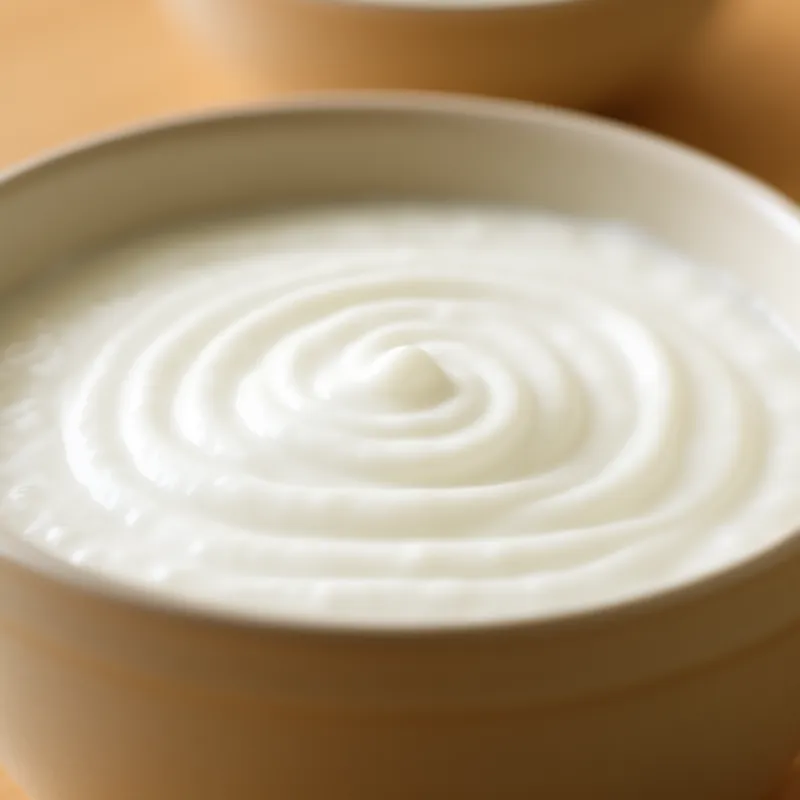
Because white grape juice is almost entirely simple sugars with minimal fiber or protein, drinking it on an empty stomach can cause a rapid blood sugar spike. To moderate this glycemic response, pair a small glass with a protein-rich food like Greek yogurt or a handful of almonds. The fat and protein slow gastric emptying, providing a more sustained release of energy. For culinary use, reduce it in a saucepan to create a light, sweet syrup that can glaze chicken or poach pears without darkening the dish's color.
Per 100g — daily values based on a 2,000 calorie diet
CalRay's AI recognizes grape juice and hundreds of thousands of other foods from a photo. No manual lookup needed.
Grape juice, white contains 66 calories per 100g. It is a moderate-calorie food that can fit into most healthy diets.
Grape juice, white provides 0.09g of protein per 100g, which is 0% of the 50g daily recommended value. It is not a primary protein source.
Grape juice, white contains 15.8g of carbohydrates per 100g .
Grape juice, white has 66 kcal per 100g, which is relatively moderate. It can fit into a weight-loss diet as long as portion sizes are managed.
The easiest way to track grape juice is with CalRay. Simply snap a photo of your meal and the AI will automatically identify the food and calculate calories and macros based on the estimated portion size — no manual lookup required. You can also search by name and adjust gram weight manually.
61 kcal 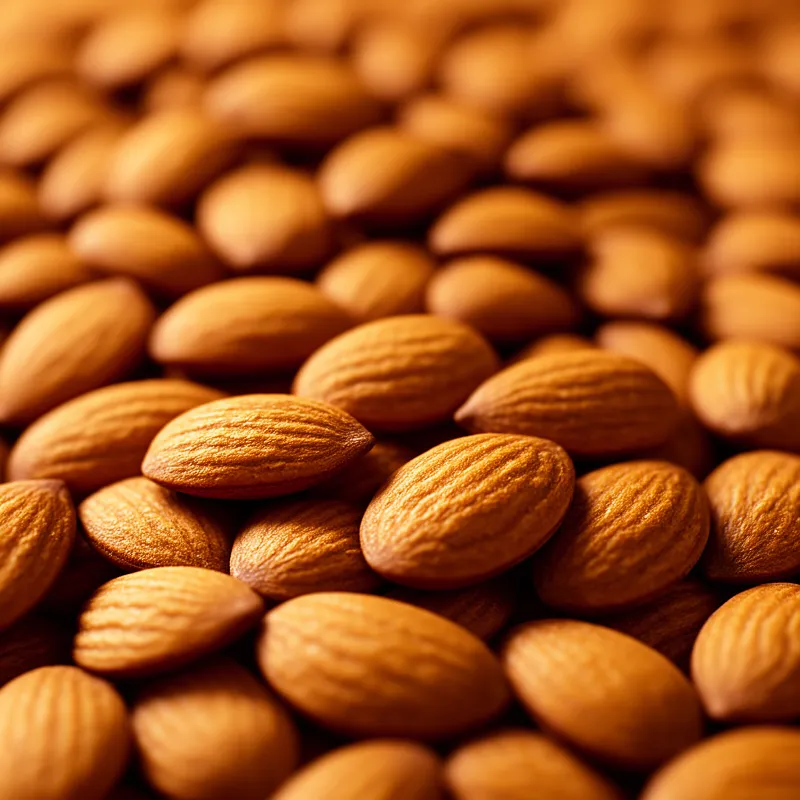 620 kcal
  42 kcal