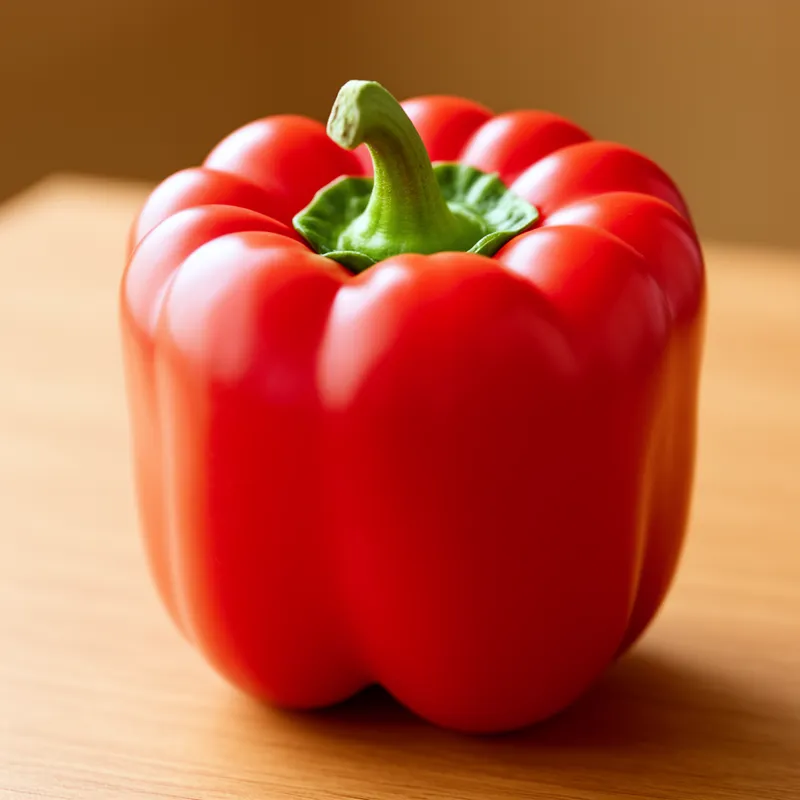
 31 kcal
 P 0.9g C 6.65g F 0.13g
Dry roasting almonds unlocks antioxidants but slightly degrades their vitamin E.
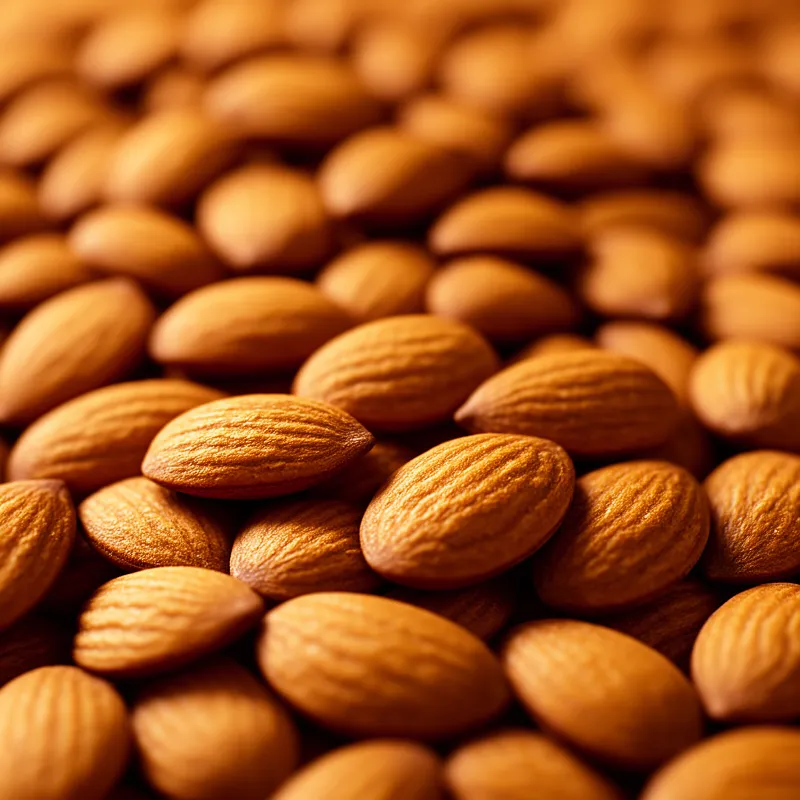
Almonds aren't true botanical nuts; they are the seeds of the Prunus dulcis fruit, making them closer relatives to peaches and cherries. Wild almonds contain amygdalin, which breaks down into deadly cyanide, but ancient farmers in the Levant selectively bred for sweet mutations lacking this compound. Dry roasting these sweet almonds further neutralizes trace bitterness and enhances their texture, making them brittle and crunchy by driving off internal moisture. The heat triggers the Maillard reaction between amino acids and reducing sugars, creating hundreds of new flavor compounds that give roasted almonds their characteristic toasted profile. However, this thermal processing comes at a nutritional cost. While the breakdown of cell walls can make certain minerals easier to absorb, the heat degrades heat-sensitive tocopherols like vitamin E. Furthermore, the newly exposed fats oxidize faster, meaning roasted almonds have a shorter shelf life than raw almonds and require airtight, cool storage to prevent rancidity.
Store dry roasted almonds in an airtight container in the refrigerator or freezer to slow lipid oxidation and prevent rancidity. Because roasting already develops their flavor, add them at the end of cooking dishes like stir-fries or grain bowls to preserve their crunch. Pair them with vitamin C-rich foods like bell peppers; the vitamin C helps regenerate vitamin E, which is partially depleted during the roasting process, maximizing the antioxidant potential of your meal.
Per 100g — daily values based on a 2,000 calorie diet
CalRay's AI recognizes nuts and hundreds of thousands of other foods from a photo. No manual lookup needed.
Nuts, almonds, dry roasted contains 620 calories per 100g. A standard serving of 1 cup (135g) provides 837 calories. It is relatively calorie-dense, so portion control is important.
Nuts, almonds, dry roasted provides 20.4g of protein per 100g, which is 41% of the 50g daily recommended value. It is an excellent source of protein.
Nuts, almonds, dry roasted contains 16.2g of carbohydrates per 100g . It also provides 11g of dietary fiber.
Nuts, almonds, dry roasted has 620 kcal per 100g, so portions need to be monitored on a weight-loss diet. Use CalRay to track your intake accurately. Its high protein content (20.4g/100g) helps with satiety. Its fiber content (11g/100g) also promotes fullness.
The easiest way to track nuts is with CalRay. Simply snap a photo of your meal and the AI will automatically identify the food and calculate calories and macros based on the estimated portion size — no manual lookup required. You can also search by name and adjust gram weight manually.
31 kcal 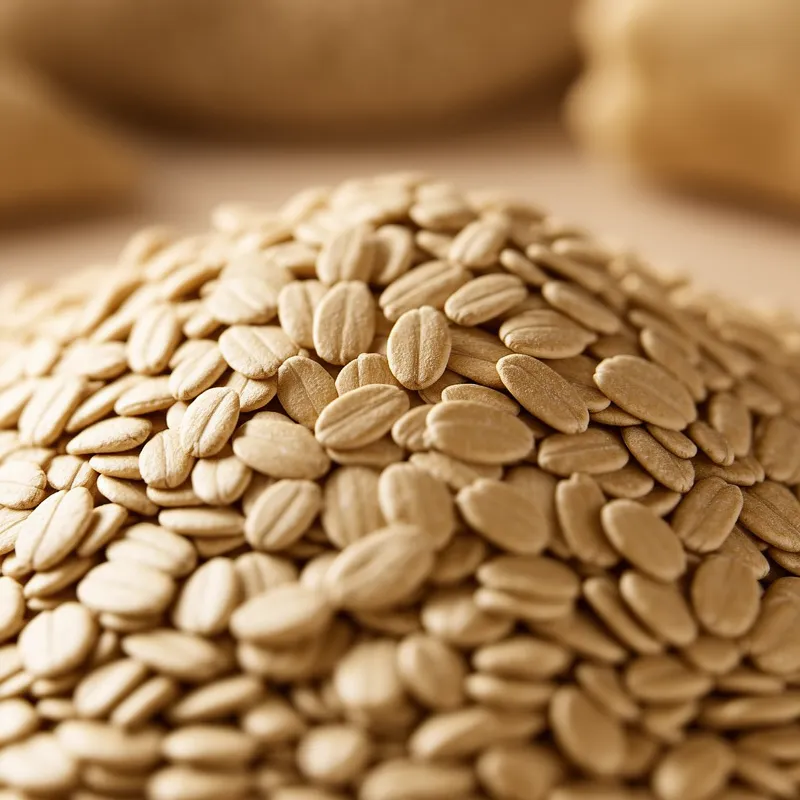 382 kcal
 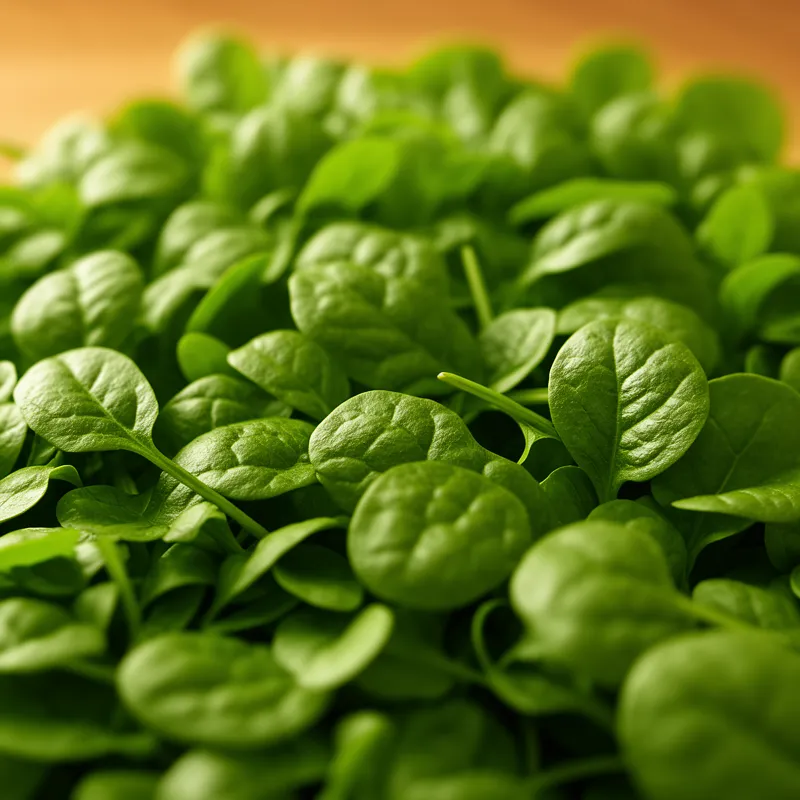 27 kcal